The Surrender of Brea
Diego Velázquez · 1635
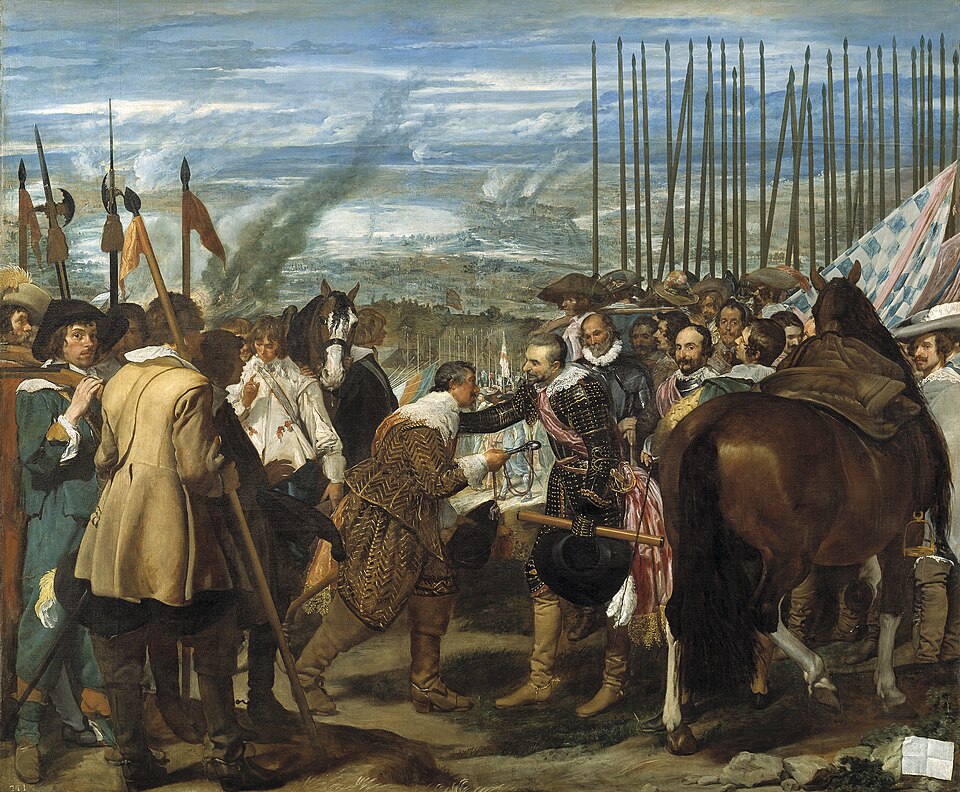
Discover the story behind Diego Velázquez's masterpiece, The Surrender of Breda, a powerful painting that captures a pivotal moment in history.
The story behind the painting
The Surrender of Breda, painted by Diego Velázquez in 1635, depicts a significant event during the Eighty Years War: the surrender of the city of Breda to Spanish forces. Commissioned by Philip IV of Spain for the palace of Buen Retiro in Madrid, the painting commemorates the military accomplishments of the Spanish and showcases Velázquez's skill in capturing historical scenes. Velázquez was inspired by his visit to Italy with Ambrogio Spinola, the Genoese-born Spanish general who led the conquest of Breda in 1625. The painting highlights the dignity and respect shown by Spinola to the defeated Dutch leader, Justinus van Nassau, emphasizing the humane aspect of war.
What to look for
In The Surrender of Breda, Velázquez masterfully uses composition to draw the viewer's eye to the central figures. The painting is divided into two halves, with the Dutch leader Justinus van Nassau and the Spanish general Ambrogio Spinola prominently featured. The background showcases a smoky sky, hinting at the destruction of war, while the foreground displays the exchange of keys between the two leaders. Notice the calm brown colors and dark shadows, which create a sense of serenity amidst the aftermath of battle. The upright lances on the right side of the composition add to the sense of order and control.
Meaning and intent
The Surrender of Breda is more than a historical depiction; it's a celebration of the Spanish military's achievements and a testament to the humane treatment of vanquished enemies. Velázquez emphasizes the respect and dignity shown by Spinola to Nassau, highlighting the personal connection between the two leaders. The painting also underscores the significance of the event, as it marked a crucial victory for the Spanish during the Eighty Years War. By focusing on the aftermath of the battle rather than the violence itself, Velázquez creates a poignant and thought-provoking work that invites viewers to reflect on the human cost of war.
Legacy
The Surrender of Breda has had a lasting impact on the art world, solidifying Velázquez's reputation as one of the greatest Spanish Baroque painters. The painting's influence can be seen in the work of later artists, including Peter Paul Rubens, who was a contemporary of Velázquez. Today, The Surrender of Breda remains one of Velázquez's most celebrated works, housed at the Museo del Prado in Madrid, where it continues to inspire art lovers and historians alike. Its enduring legacy is a testament to Velázquez's skill in capturing the essence of a pivotal moment in history.
Wikipedia · Wikipedia - Diego Velázquez · Wikidata
Về họa sĩ
Diego Velázquez (1599-1660)
nghệ thuật dân gian · Bảo tàng Prado · ngựa · kiếm · áo giáp
Tranh khác của Diego Velázquez
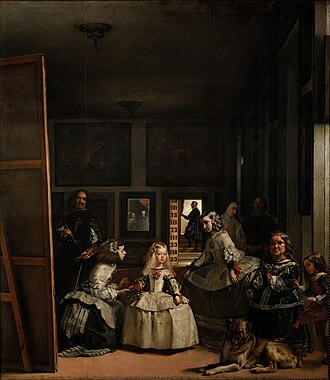 Las Meninas (Các thị nữ) - Diego Velázquez (1656)
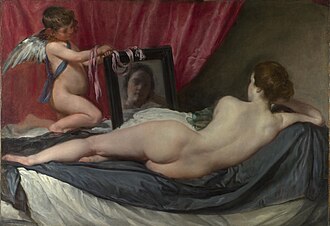 Rokeby Venus - Diego Velázquez (1644)
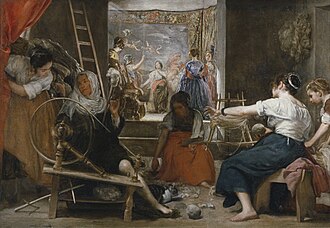 Las Hilanderas - Diego Velázquez
.jpg) Portrait of Innocent X - Diego Velázquez
Portrait of Innocent X - Diego Velázquez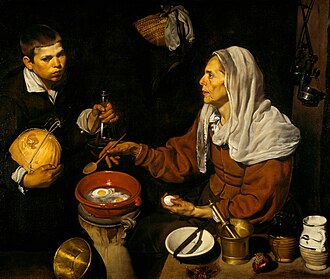 Cụ bà rán trứng - Diego Velázquez (1618)
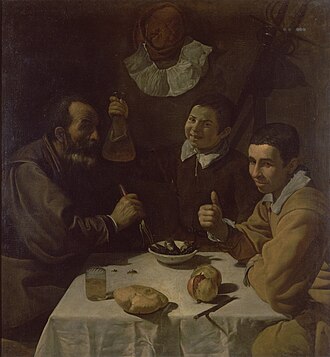 Bữa trưa - Diego Velázquez (1617)
.jpg) Sự thắng利 của Bacchus - Diego Velázquez (1628)
Sự thắng利 của Bacchus - Diego Velázquez (1628).jpg) Lò lửa của Vulcan - Diego Velázquez (1630)
Lò lửa của Vulcan - Diego Velázquez (1630)
Tranh của các họa sĩ liên quan
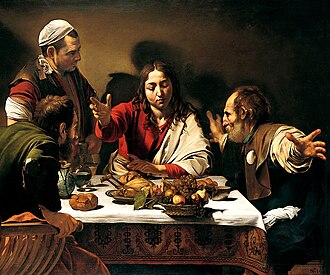 Bữa tối tại Emmaus - Caravaggio (1601)
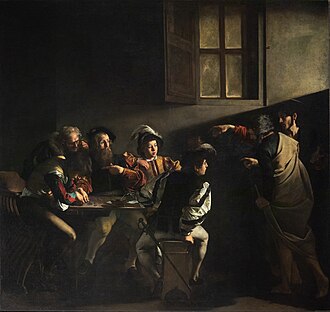 Sự kêu gọi của Thánh Matthew - Caravaggio (1609)
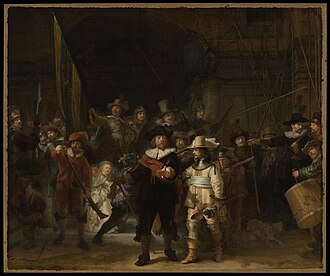 Đội tuần đêm - Rembrandt van Rijn (1642)
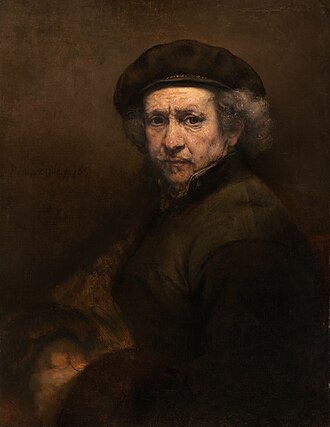 Chân dung tự họa - Rembrandt van Rijn (1659)
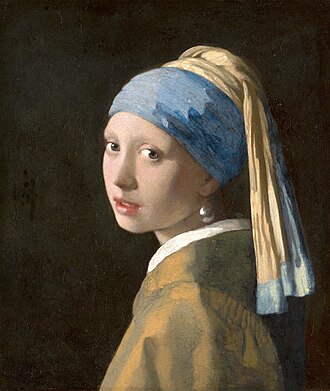 Thiếu nữ đeo hoa tai ngọc trai - Johannes Vermeer (1665)
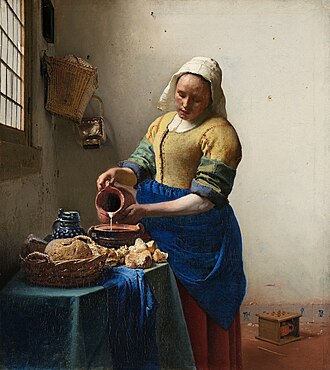 Cô hầu rót sữa - Johannes Vermeer (c. 1658)