Chân dung tự họa
Rembrandt van Rijn · 1659
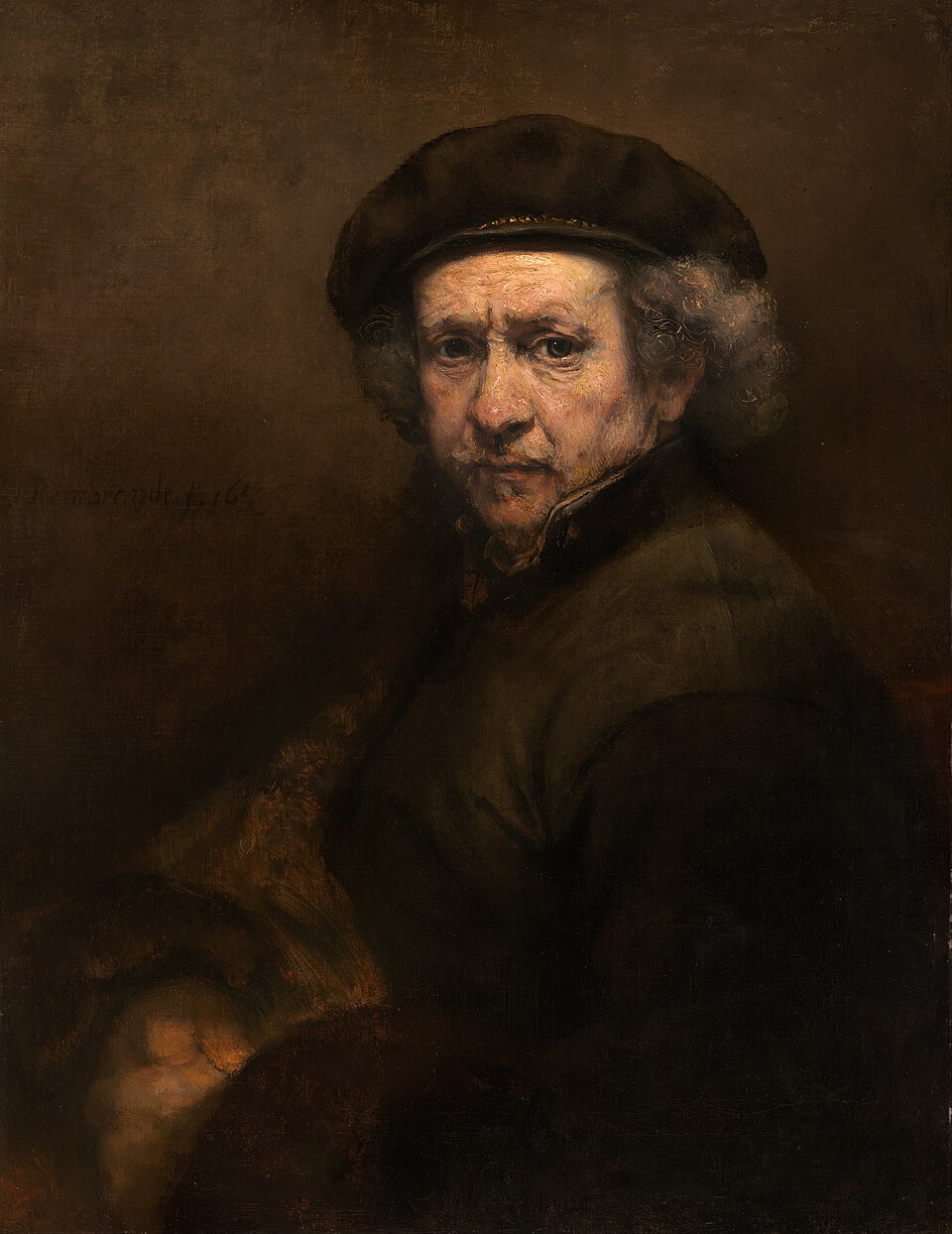
A masterful portrayal of introspection and resilience, Rembrandt's Self-Portrait from 1659 invites you to gaze into the eyes of a man who had weathered life's storms and emerged as a creative giant.
The story behind the painting
In 1659, Rembrandt van Rijn, the renowned Dutch artist, painted a self-portrait that would become one of his most celebrated works. This oil on canvas painting, now part of the National Gallery of Art's collection, was created during a tumultuous period in Rembrandt's life. Having achieved great success as a portrait painter in his youth, Rembrandt faced personal tragedy and financial hardship in his later years. Despite these challenges, he continued to produce remarkable works, including this self-portrait, which showcases his mastery of light, color, and emotional depth.
What to look for
In this painting, Rembrandt sits in a fur cloak, his hands clasped in his lap, and his face illuminated by light from the upper right. The artist's use of a restrained color palette, dominated by browns and grays, creates a sense of somberness and introspection. Note the thick, tactile brushwork, particularly in the face, which conveys a sense of physical aging and emotional experience. The beret and high collar frame the face, while the eyes seem to hold a deep sense of wisdom and resilience.
Meaning and intent
Rembrandt's Self-Portrait from 1659 is more than just a representation of the artist; it is a reflection of his inner world. The painting has been interpreted as a symbol of the artist's ability to confront his challenges with dignity and courage. The somber and introspective mood of the painting may be seen as a response to the personal and financial struggles Rembrandt faced during this period. By portraying himself with such honesty and vulnerability, Rembrandt invites the viewer to contemplate the human experience and the complexities of the human psyche.
Legacy
Rembrandt's Self-Portrait from 1659 has become an iconic work of art, celebrated for its technical mastery and emotional depth. The painting has been part of the National Gallery of Art's collection since 1937 and continues to inspire art lovers and artists around the world. As one of Rembrandt's over 40 self-portraits, this painting offers a unique glimpse into the life and mind of a creative genius, cementing its place as a masterpiece of Dutch Golden Age painting.
Có thể bạn chưa biết
- Rembrandt van Rijn created over 40 self-portraits throughout his career.
- This painting is part of the National Gallery of Art's collection in Washington, D.C.
- The painting was created in 1659, a period of personal and financial struggle for Rembrandt.
- Rembrandt's use of light and shadow in this painting creates a sense of depth and emotional complexity.
Wikipedia · Wikipedia - Rembrandt van Rijn · Wikidata
Về họa sĩ
Rembrandt van Rijn (1606-1669)
nam giới · hội họa Hà Lan thời hoàng kim · chân dung tự họa · Phòng triển lãm quốc gia Washington · Rembrandt
Tranh khác của Rembrandt van Rijn
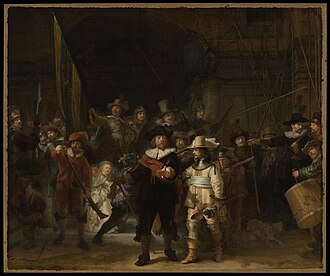 Đội tuần đêm - Rembrandt van Rijn (1642)
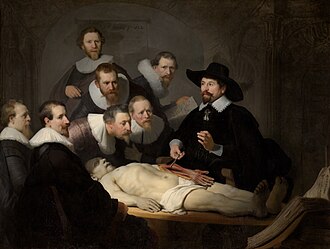 Bài học giải phẫu của Dr. Nicolaes Tulp - Rembrandt van Rijn (1632)
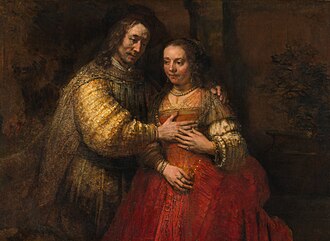 Cô dâu Do Thái - Rembrandt van Rijn (1660s)
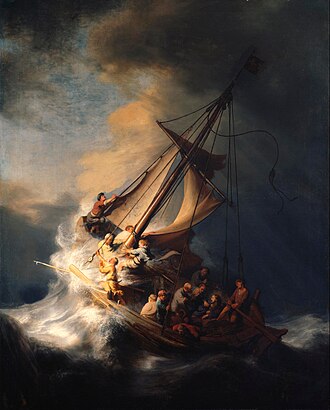 Bão biển hồ Galilee - Rembrandt van Rijn (1633)
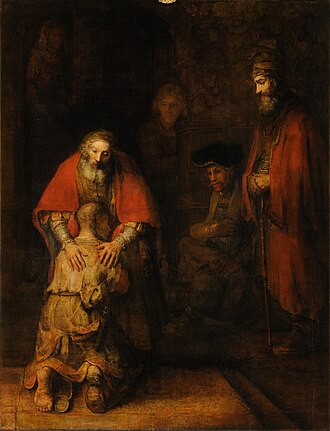 Sự trở lại của người con hoang đàng - Rembrandt van Rijn (1668)
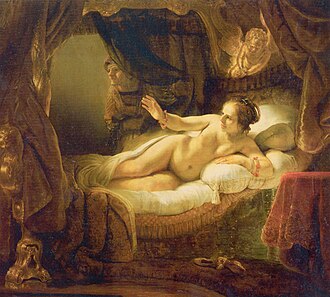 Danaë - Rembrandt van Rijn (1636)
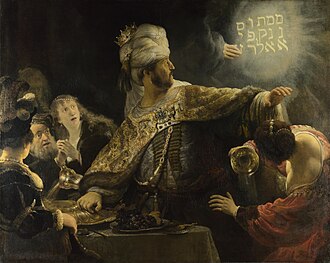 Tiệc của Belsasar - Rembrandt van Rijn (1636)
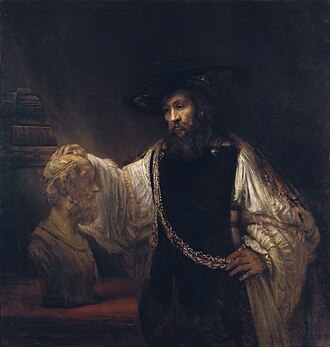 Aristotle ngắm nhìn bust của Homer - Rembrandt van Rijn (1653)
Tranh của các họa sĩ liên quan
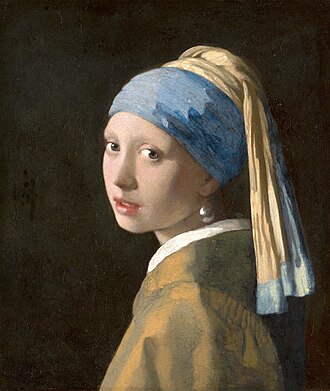 Thiếu nữ đeo hoa tai ngọc trai - Johannes Vermeer (1665)
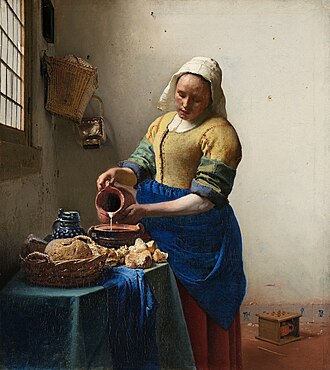 Cô hầu rót sữa - Johannes Vermeer (c. 1658)
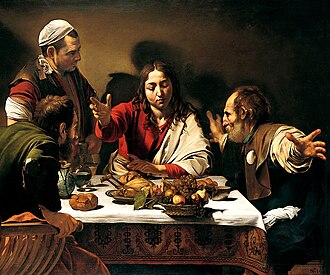 Bữa tối tại Emmaus - Caravaggio (1601)
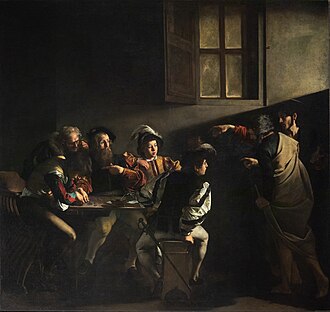 Sự kêu gọi của Thánh Matthew - Caravaggio (1609)
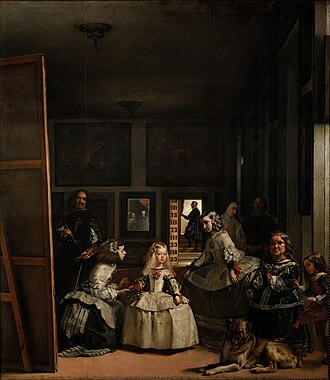 Las Meninas (Các thị nữ) - Diego Velázquez (1656)
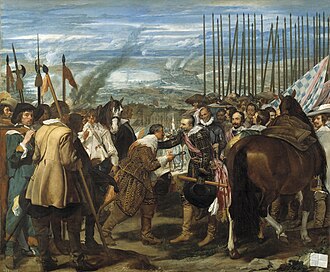 The Surrender of Brea - Diego Velázquez (1635)