Cẩm chướng, huệ, huệ, hồng
John Singer Sargent · 1885-1886
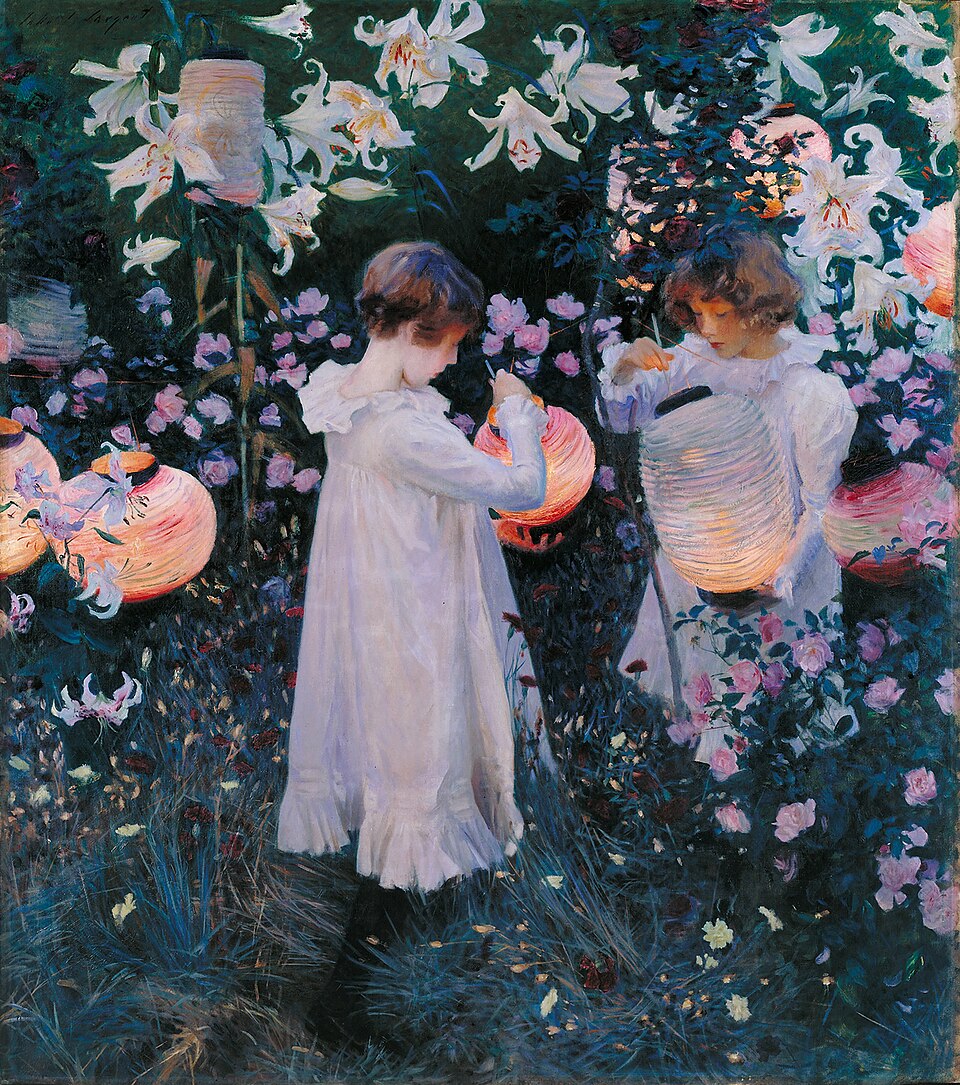
In this enchanting oil-on-canvas painting, John Singer Sargent transports us to a serene English garden at dusk, where two young girls in white dresses are lighting paper lanterns among a sea of vibrant flowers.
The story behind the painting
Painted between 1885 and 1886, 'Carnation, Lily, Lily, Rose' captures a magical moment in time. The subjects are the daughters of illustrator Frederick Barnard, Dolly and Polly, chosen for their blonde hair. Sargent, who had recently moved to England from Paris to escape scandal, was inspired by the lanterns he saw while boating on the River Thames and by Robert Louis Stevenson's verses. He spent hours each day painting en plein air to capture the fleeting light of dusk, often replacing real flowers with artificial ones as the seasons changed.
What to look for
In 'Carnation, Lily, Lily, Rose,' notice the lush greenery that dominates the composition, with no horizon line to give a sense of depth. The viewer is at the same level as the children, yet seems to be looking down on them. The painting is bathed in a soft, purple tint of evening, achieved by Sargent's daily outdoor painting sessions during the golden hour. Look for the intricate details of the paper lanterns, the delicate petals of the flowers, and the texture of the girls' white dresses.
Meaning and intent
The title of the painting comes from a popular song, 'Ye Shepherds Tell Me,' which mentions Flora wearing 'A wreath around her head, around her head she wore, Carnation, lily, lily, rose.' Sargent's work is often seen as a celebration of childhood innocence and the beauty of nature. The painting also showcases Sargent's ability to blend Impressionist techniques with a more traditional approach to art, creating a unique and captivating piece.
Legacy
Upon its exhibition at the Royal Academy in 1887, 'Carnation, Lily, Lily, Rose' received a mixed reception, with some critics praising its beauty and others criticizing its 'Frenchified' style. Despite this, the painting was acquired by the Tate Gallery later that year, becoming the first of Sargent's works to enter a public collection. Today, it remains a beloved piece at Tate Britain, admired for its enchanting portrayal of a summer evening and its technical mastery.
Có thể bạn chưa biết
- The painting depicts two small children dressed in white who are lighting paper lanterns as day turns to evening.
- The work is set in an English garden at Farnham House in Broadway in the Cotswolds.
- Sargent wanted to capture the exact level of light at dusk so he painted the picture en plein air - outdoors and in the Impressionist manner.
- The painting is part of the Tate collection and is displayed at Tate Britain.
Wikipedia · Wikipedia - John Singer Sargent · Wikidata
Về họa sĩ
John Singer Sargent (1856-1925)
nghệ thuật dân gian · Bảo tàng Quốc gia Luân Đôn · Tate · hoa
Tranh khác của John Singer Sargent
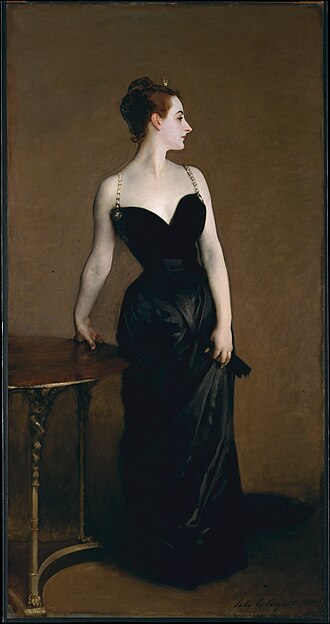 Chân dung quý cô X - John Singer Sargent (1884)
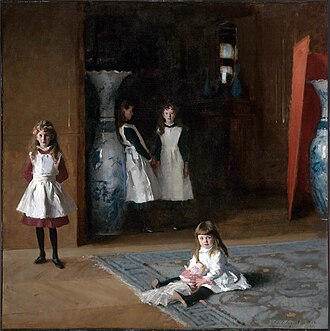 Con gái của Edward Darley Boit - John Singer Sargent (1882)
 Khí độc - John Singer Sargent (1919)
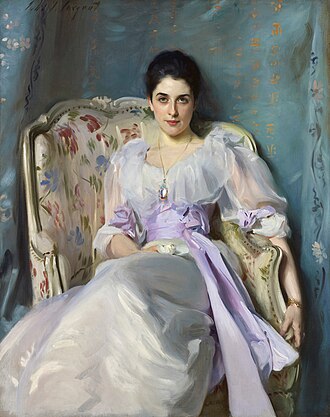 Lady Agnew of Lochnaw - John Singer Sargent (1892)
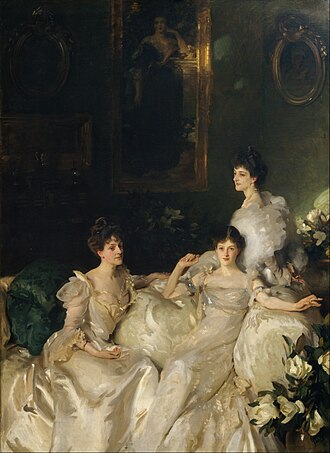 The Wyndham Sisters: Lady Elcho, Mrs. Adeane, and Mrs. Tennant - John Singer Sargent (1899)
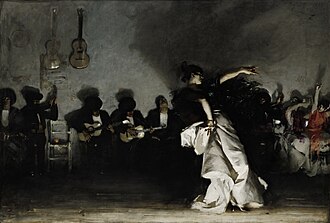 El Jaleo - John Singer Sargent (1882)
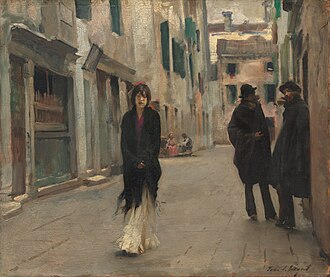 Đường phố Venice - John Singer Sargent (1882)
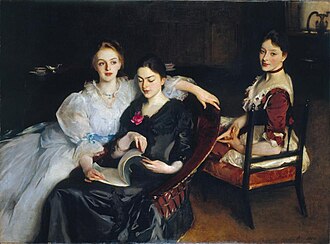 Cô Vickers - John Singer Sargent (1884)
Tranh của các họa sĩ liên quan
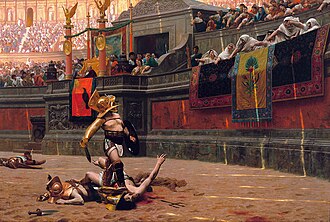 Pollice verso - Jean-Léon Gérôme (1872)
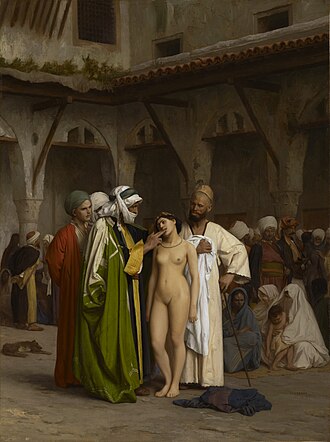 The Slave Market - Jean-Léon Gérôme (1866)
 Bữa trưa trên cỏ - Édouard Manet (1863)
 Olympia - Édouard Manet (1863)
 Cội nguồn nhân gian - Gustave Courbet (1866)
 An táng tại Ornans - Gustave Courbet (2020)
 Nữ thần Tự do dẫn dắt nhân dân - Eugène Delacroix (1830)
 Death of Sardanapalus - Eugène Delacroix (1827)
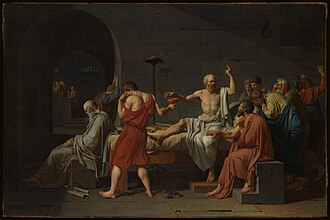 The Death of Socrates - Jacques-Louis David (1787)
 The Oath of the Horatii - Jacques-Louis David (1784)
 The Ladies Waldegrave - Joshua Reynolds (1780)
 Captain George K. H. Coussmaker - Joshua Reynolds (1782)