Bài học giải phẫu của Dr. Nicolaes Tulp
Rembrandt van Rijn · 1632
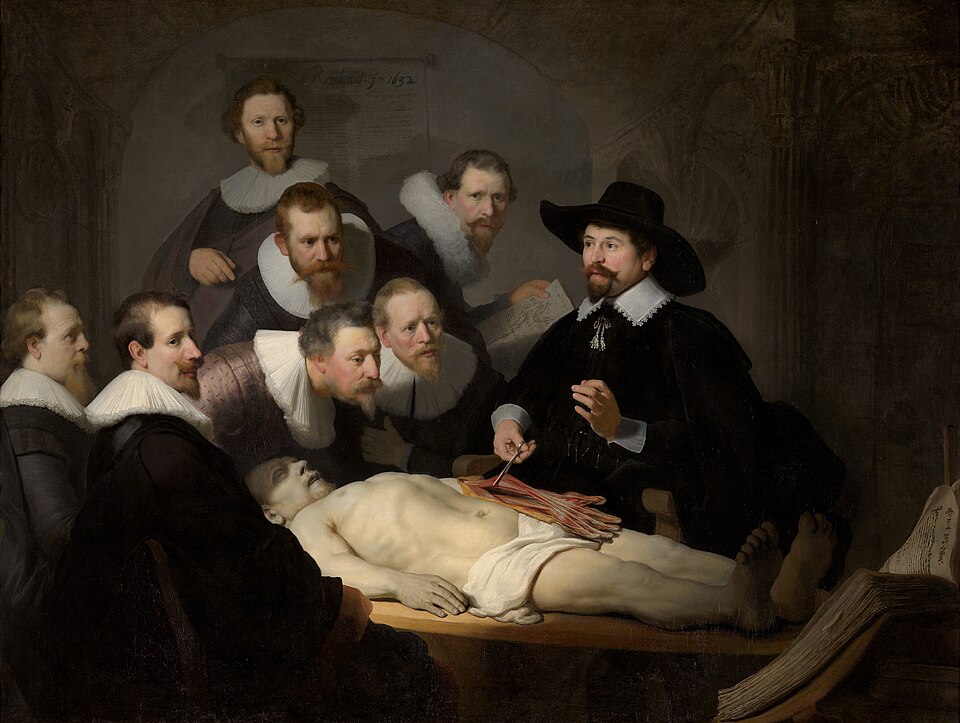
A masterpiece of Dutch Golden Age painting, The Anatomy Lesson of Dr. Nicolaes Tulp is a work of art that continues to fascinate art lovers to this day.
The story behind the painting
In 1632, Rembrandt van Rijn, a 26-year-old artist from Leiden, received a prestigious commission from the Amsterdam Guild of Surgeons to create a group portrait for their meeting room. The painting, The Anatomy Lesson of Dr. Nicolaes Tulp, depicts a public dissection lesson given by Dr. Nicolaes Tulp, the official City Anatomist of Amsterdam. The event took place on January 31, 1632, and the body of the deceased was that of Aris Kindt, a convicted criminal who was hanged earlier that day. The painting was intended to showcase the expertise of the surgeons and to serve as a symbol of their professional status.
What to look for
In this large-scale oil painting, Rembrandt masterfully uses light and shadow to create a dramatic atmosphere. The figures of the surgeons and students are arranged in a semi-circle around the dissected body, with Dr. Tulp explaining the musculature of the arm. The corpse, with its partially shaded face, is positioned in a Christ-like pose, drawing the viewer's attention. The painting is characterized by its use of chiaroscuro, with a strong light source coming from the left side of the composition. The brushwork is confident and expressive, with visible strokes that add texture and depth to the painting.
Meaning and intent
The Anatomy Lesson of Dr. Nicolaes Tulp is more than just a group portrait or a depiction of a medical procedure. It is a celebration of the scientific and artistic achievements of the Dutch Golden Age. Rembrandt's use of light and shadow, as well as his attention to anatomical detail, demonstrate his mastery of both art and science. The painting also highlights the importance of anatomy in the medical practices of the time, as well as the social status of the surgeons and their role in society.
Legacy
Today, The Anatomy Lesson of Dr. Nicolaes Tulp is considered one of Rembrandt's early masterpieces and is housed in the Mauritshuis museum in The Hague, Netherlands. The painting has had a lasting impact on the art world, influencing generations of artists and continuing to inspire art lovers to this day. It has also been the subject of numerous studies and interpretations, including parodies and reinterpretations that reflect its enduring significance in the cultural imagination.
Có thể bạn chưa biết
- The painting measures 169.5 × 216.5 cm and is one of Rembrandt's largest works.
- The painting was signed by Rembrandt in the top-left corner with his forename, 'Rembrant f[ecit] 1632'.
- The corpse in the painting is that of Aris Kindt, a convicted criminal who was hanged on January 31, 1632.
- The painting was originally created for the Surgeons Guild in Amsterdam and was later purchased by the Dutch state for 32,000 guilders in 1828.
Wikipedia · Wikipedia - Rembrandt van Rijn · Wikidata
Về họa sĩ
Rembrandt van Rijn (1606-1669)
chân dung · hội họa Hà Lan thời hoàng kim · group portrait · Mauritshuis
Tranh khác của Rembrandt van Rijn
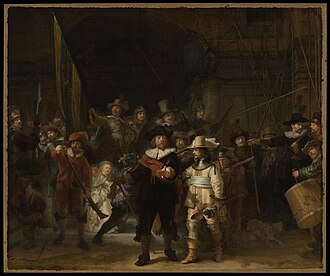 Đội tuần đêm - Rembrandt van Rijn (1642)
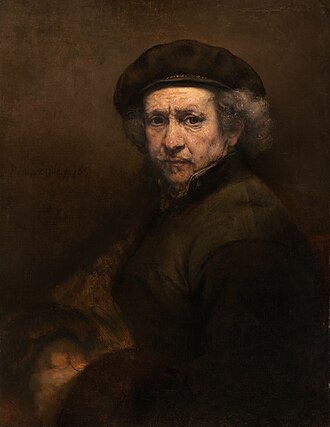 Chân dung tự họa - Rembrandt van Rijn (1659)
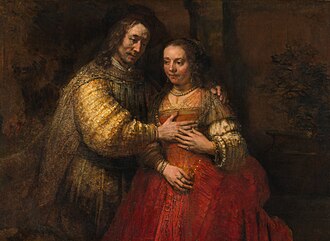 Cô dâu Do Thái - Rembrandt van Rijn (1660s)
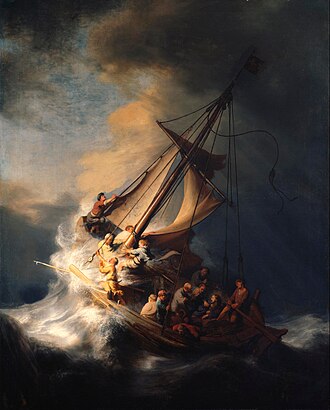 Bão biển hồ Galilee - Rembrandt van Rijn (1633)
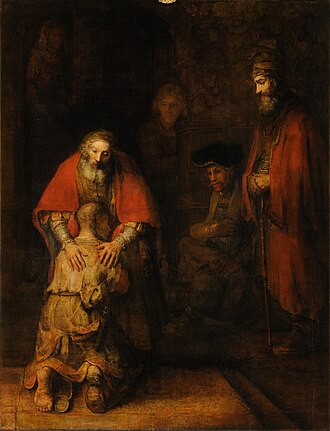 Sự trở lại của người con hoang đàng - Rembrandt van Rijn (1668)
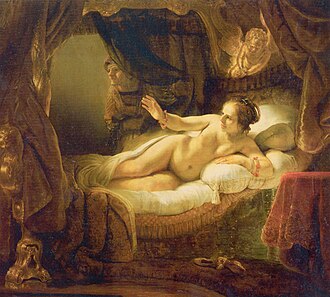 Danaë - Rembrandt van Rijn (1636)
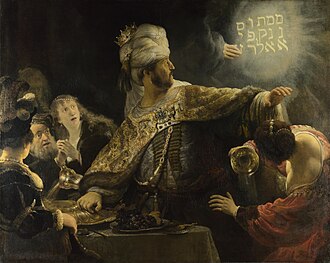 Tiệc của Belsasar - Rembrandt van Rijn (1636)
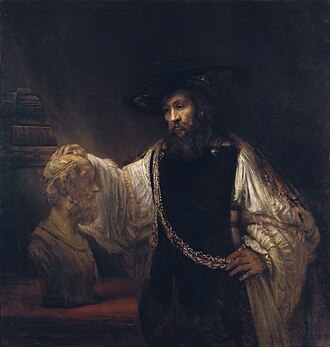 Aristotle ngắm nhìn bust của Homer - Rembrandt van Rijn (1653)
Tranh của các họa sĩ liên quan
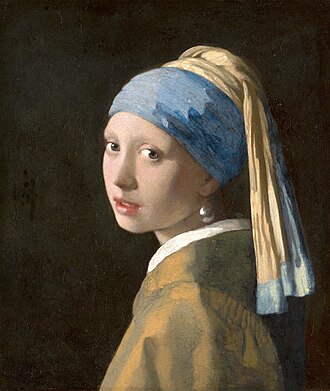 Thiếu nữ đeo hoa tai ngọc trai - Johannes Vermeer (1665)
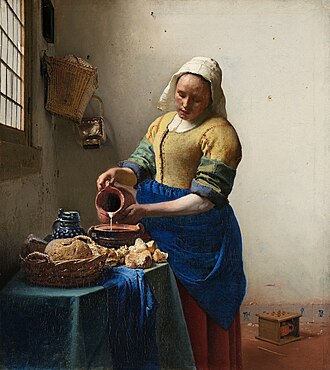 Cô hầu rót sữa - Johannes Vermeer (c. 1658)
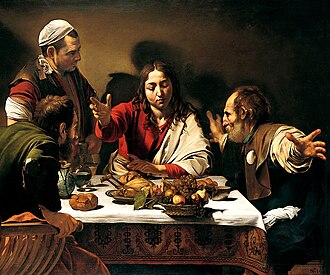 Bữa tối tại Emmaus - Caravaggio (1601)
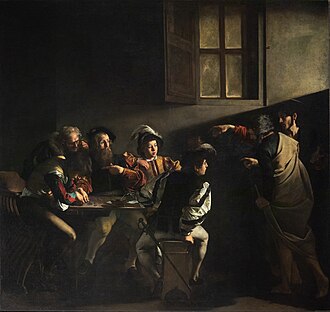 Sự kêu gọi của Thánh Matthew - Caravaggio (1609)
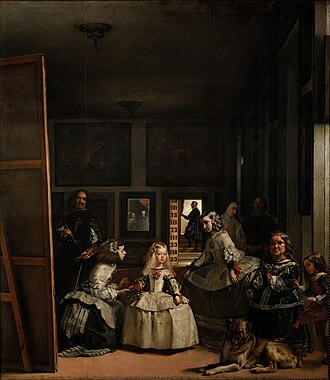 Las Meninas (Các thị nữ) - Diego Velázquez (1656)
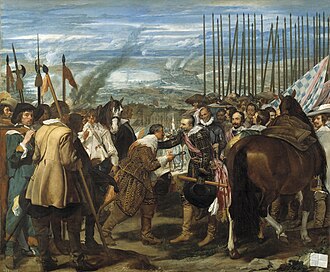 The Surrender of Brea - Diego Velázquez (1635)