Ngôi nhà trắng trong đêm
Vincent van Gogh · 1890
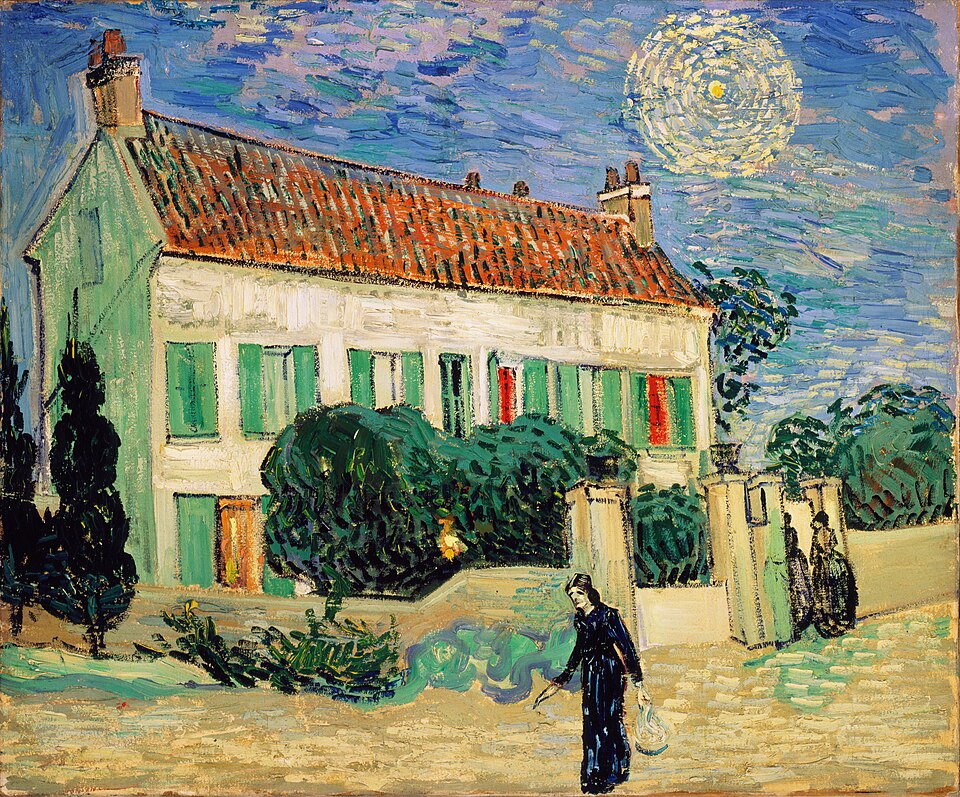
A poignant and powerful painting created just six weeks before his death, Vincent van Gogh's White House at Night is a masterpiece of expressive brushwork and vivid colour.
The story behind the painting
In June 1890, Vincent van Gogh was living in the small town of Auvers-sur-Oise, near Paris, under the care of the homoeopathic doctor Paul Gachet. It was a tumultuous time in his life, struggling with mental illness and poverty. Despite these challenges, Van Gogh was incredibly productive, creating numerous artworks in the last two years of his life, including White House at Night, painted on 16 June 1890. This painting showcases his unique post-impressionist style, characterised by bold colours and dramatic brushwork.
What to look for
In White House at Night, Van Gogh depicts a serene yet haunting scene of a house under a starry sky. The composition is dominated by a large white house with a red-tiled roof and green shutters, set against a backdrop of a deep blue sky with swirling clouds and a bright star. The house is the same one depicted in his earlier work, Blossoming Chestnut Tree. Notice the 'eyes' of the house - two windows on the upper floor - which are rendered with alarming red splashes. A woman stands in the foreground, adding a sense of human presence to the scene. The brushwork is expressive and textured, with thick layers of paint creating a dynamic and emotive effect.
Meaning and intent
Van Gogh's White House at Night is often interpreted as a reflection of the artist's psychological state at the time. The Hermitage Museum, where the painting is now housed, notes that it 'expresses the great psychological tension under which Van Gogh found himself.' The star in the painting, identified as Venus by astronomers, is seen as a symbol of fate. The red splashes on the windows add a sense of urgency and distress, while the serene house and sky create a sense of contrast and calm. This contrast may reflect Van Gogh's own inner turmoil and struggle with his mental health.
Legacy
White House at Night has had a complex and fascinating history. After being exhibited in Switzerland in the 1920s, it disappeared into a private collection and was thought to be lost after World War II. It reappeared in 1995 as part of an exhibition of looted artworks at the Hermitage Museum in St. Petersburg, where it remains today. As one of Van Gogh's final works, White House at Night is a poignant reminder of his artistic genius and his tragic life story. It continues to inspire and move art lovers to this day, offering a glimpse into the mind of a troubled yet brilliant artist.
Có thể bạn chưa biết
- The painting measures 59 × 72.5 cm.
- It is housed at the Hermitage Museum in St. Petersburg.
- The star in the painting is believed to be Venus, which was visible in the evening sky in June 1890.
- The house depicted is the same one shown in Van Gogh's earlier work, Blossoming Chestnut Tree.
Wikipedia · Wikipedia - Vincent van Gogh · Wikidata
Về họa sĩ
Vincent van Gogh (1853-1890)
phụ nữ · tranh phong cảnh · cây · bầu trời · nhà ở · Bảo tàng Ermitazh · tường · cửa sổ · đường
Tranh khác của Vincent van Gogh
 Đêm đầy sao - Vincent van Gogh (1889)
.jpg) Hiên quán cà phê về đêm - Vincent van Gogh (1888)
Hiên quán cà phê về đêm - Vincent van Gogh (1888) Hoa hướng dương - Vincent van Gogh (1888)
 Hoa hạnh nhân - Vincent van Gogh (1890)
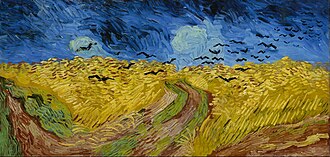 Cánh đồng lúa mì có bầy quạ - Vincent van Gogh (1890)
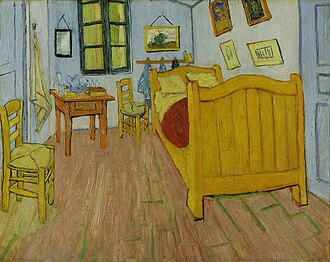 Phòng ngủ ở Arles - Vincent van Gogh (1888)
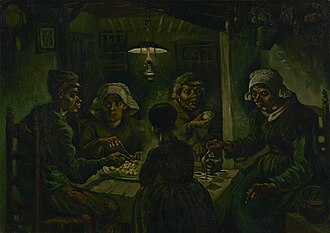 Những người ăn khoai - Vincent van Gogh (1885)
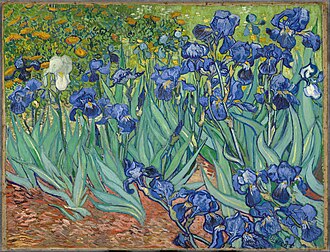 Hoa diên vĩ - Vincent van Gogh (1889)
Tranh của các họa sĩ liên quan
 Ta từ đâu đến? Ta là ai? Ta đi về đâu? - Paul Gauguin (1897-1898)
%201889.jpg) Đức Kitô màu vàng - Paul Gauguin (1889)
Đức Kitô màu vàng - Paul Gauguin (1889) Bữa trưa trên cỏ - Édouard Manet (1863)
 Olympia - Édouard Manet (1863)