Baroque
Baroque painting is the art of drama: bold light cutting through deep shadow, rich colour, and stories caught at their most exciting moment.
Caravaggio · Francisco de Zurbarán · Diego Velázquez · Anthony van Dyck · Peter Paul Rubens · Rembrandt van Rijn · Frans Hals · Johannes Vermeer · Artemisia Gentileschi
 Las Meninas - Diego Velázquez (1656)
 The Surrender of Brea - Diego Velázquez (1635)
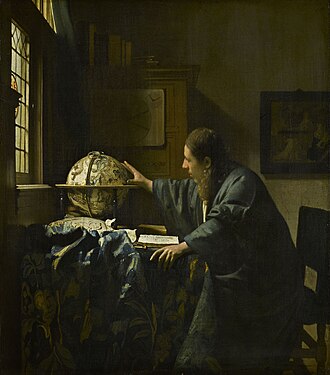 The Astronomer - Johannes Vermeer (1664)
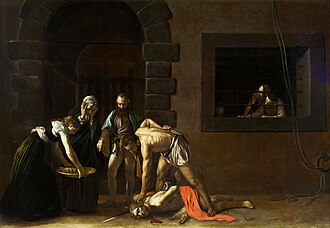 Decapitazione di San Giovanni Battista - Caravaggio (1608)
 The Elevation of the Cross - Peter Paul Rubens (1609)
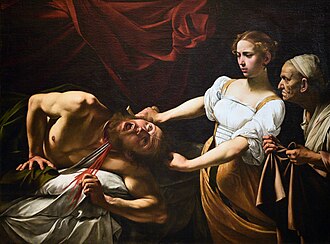 Giuditta che decapita Oloferne - Caravaggio (1598)
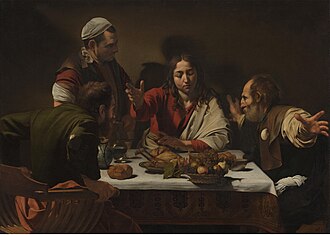 Supper at Emmaus - Caravaggio (1601)
 The Rape of the Daughters of Leucippus - Peter Paul Rubens (1618)
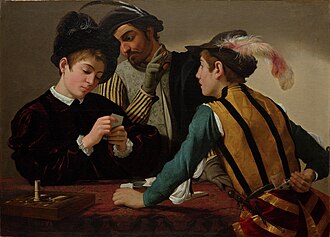 The Cardsharps - Caravaggio (1590s)
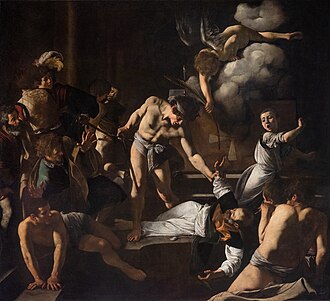 The Martyrdom of Saint Matthew - Caravaggio (1600)
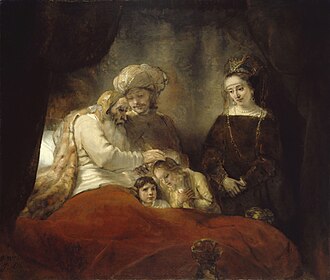 Jacob Blessing the Sons of Joseph - Rembrandt van Rijn (1656)
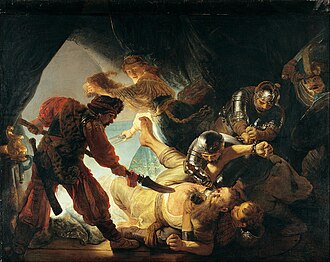 The Blinding of Samson - Rembrandt van Rijn (1636)
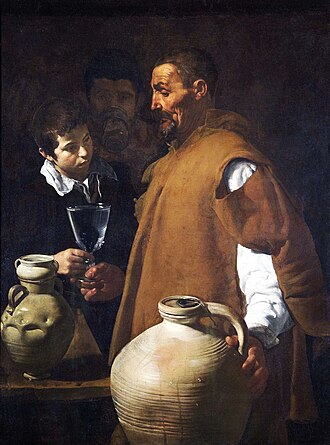 The Waterseller of Seville - Diego Velázquez (1620)
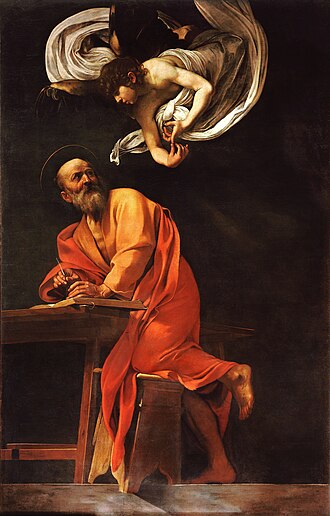 The Inspiration of Saint Matthew - Caravaggio (1602)
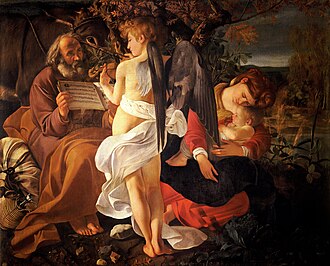 Rest on the Flight into Egypt - Caravaggio (1597)
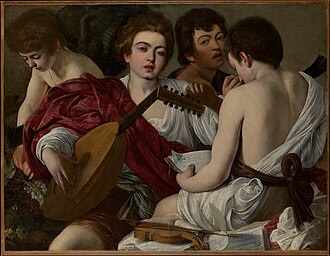 The Musicians - Caravaggio (1595)
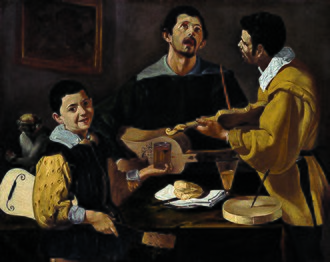 Three Musicians - Diego Velázquez (1618)
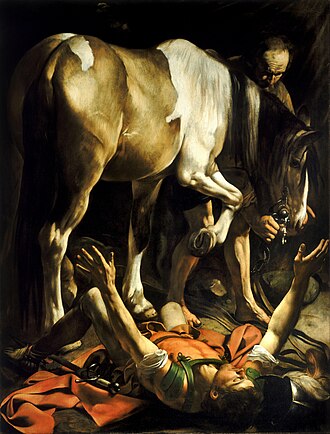 Conversion on the Way to Damascus - Caravaggio (1600s)
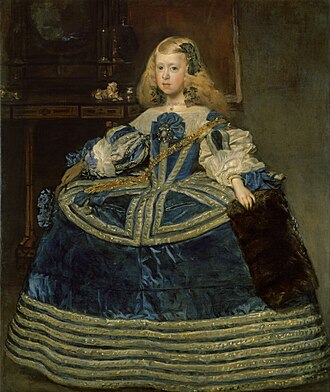 Infanta Margarita Teresa in a Blue Dress - Diego Velázquez (1659)
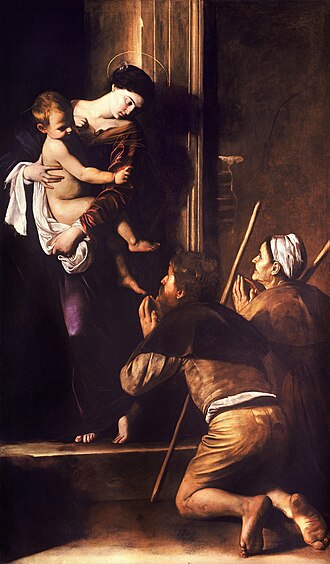 Madonna di Loreto - Caravaggio (1605)
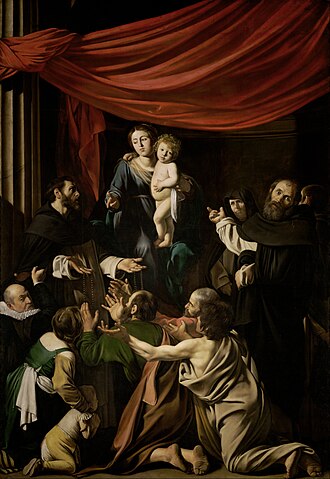 Madonna of the Rosary - Caravaggio (1607)
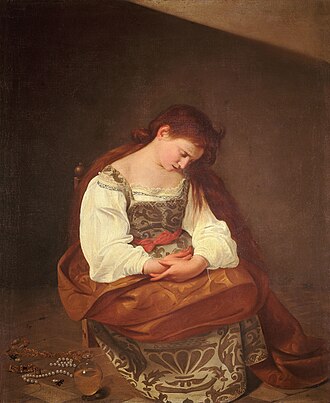 Penitent Magdalene - Caravaggio (1593)
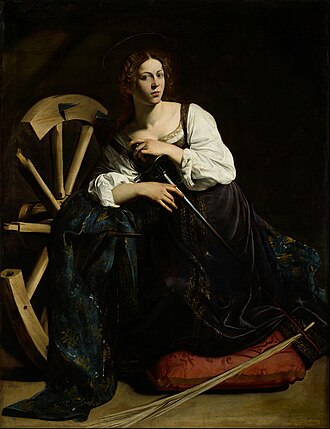 Saint Catherine of Alexandria - Caravaggio (1598)
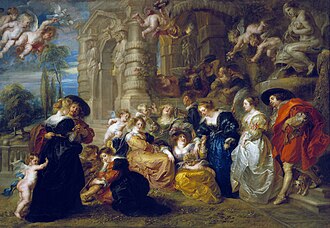 The Garden of Love - Peter Paul Rubens (1632)
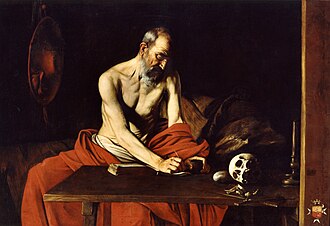 Saint Jerome Writing - Caravaggio (1600s)
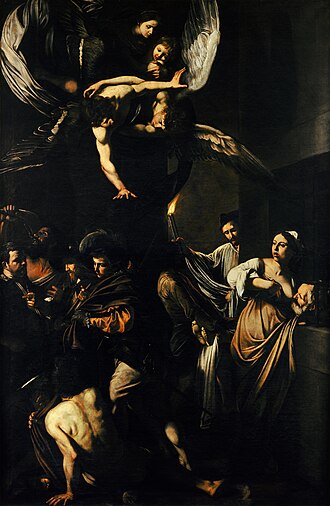 The Seven Works of Mercy - Caravaggio (1607)
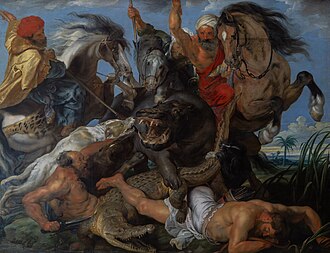 The Hippopotamus and Crocodile Hunt - Peter Paul Rubens (1615)
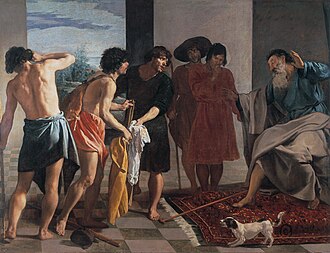 Joseph's Tunic - Diego Velázquez (1630)
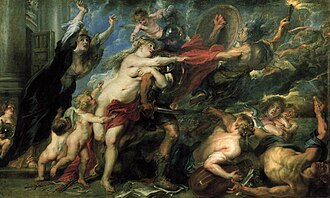 Consequences of War - Peter Paul Rubens (1637)
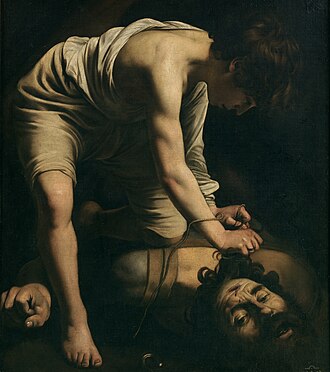 David and Goliath - Caravaggio (1600)
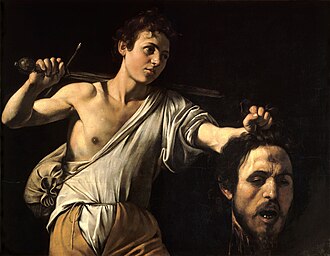 David with the Head of Goliath - Caravaggio (1607)
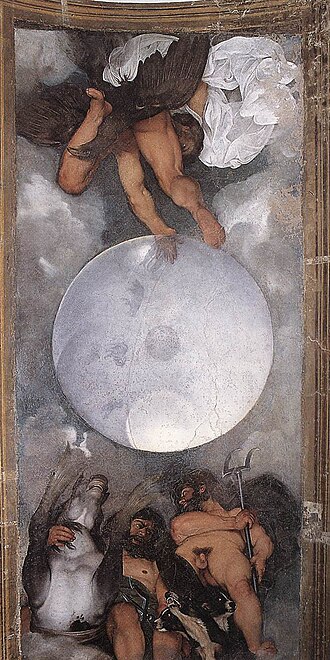 Jupiter, Neptune and Pluto - Caravaggio (1599)
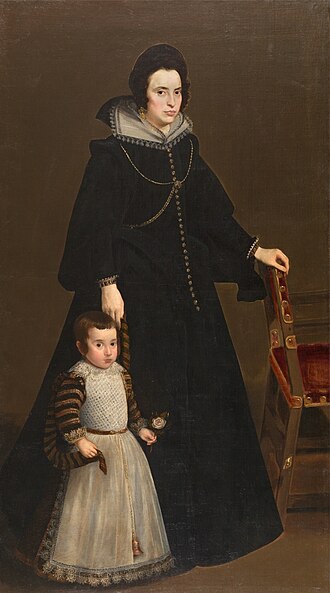 Doña Antonia de Ipeñarrieta y Galdós and Her Son Don Luis - Diego Velázquez (1632)
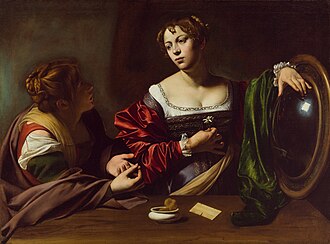 Martha and Mary Magdalene - Caravaggio (1598)
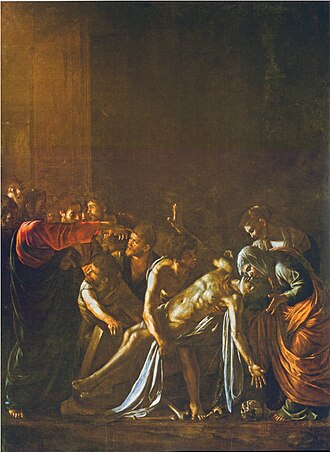 The Raising of Lazarus - Caravaggio (1609)
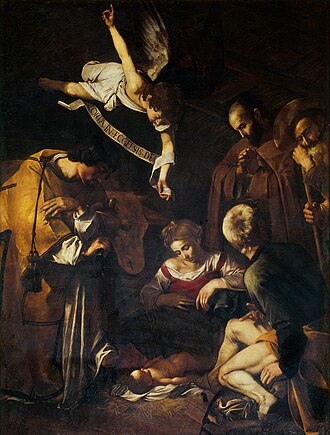 Nativity with Saint Francis and Saint Lawrence - Caravaggio (1609)
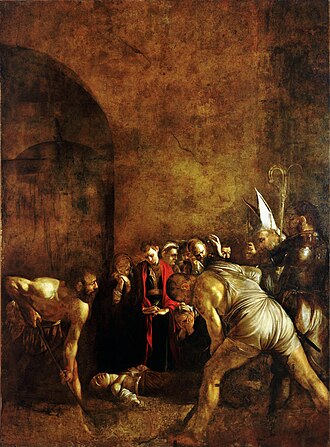 The Burial of Saint Lucy - Caravaggio (1608)
 Laughing Cavalier - Frans Hals (1624)
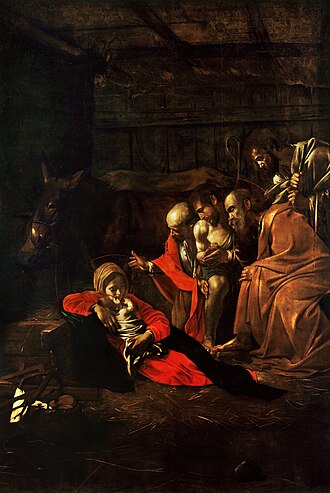 Adoration of the Shepherds - Caravaggio (1609)
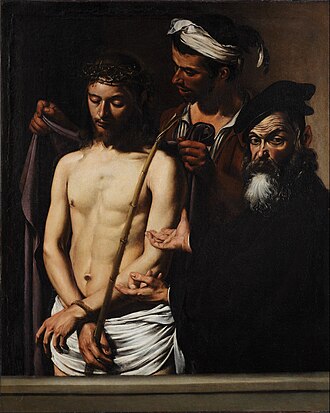 Ecce Homo - Caravaggio (1605)
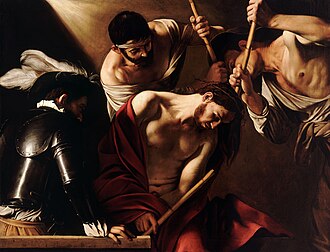 The Crowning with Thorns - Caravaggio (1602)
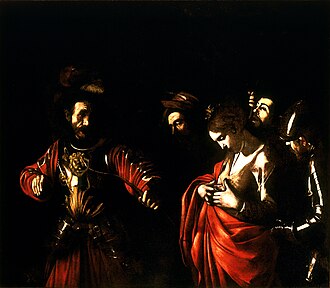 The Martyrdom of Saint Ursula - Caravaggio (1610)
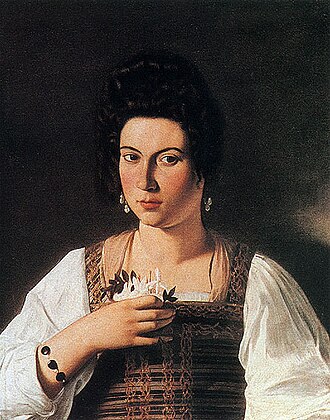 Portrait of a Courtesan - Caravaggio (1601)
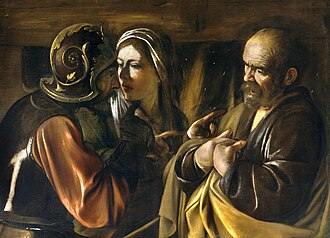 The Denial of Saint Peter - Caravaggio (1610)
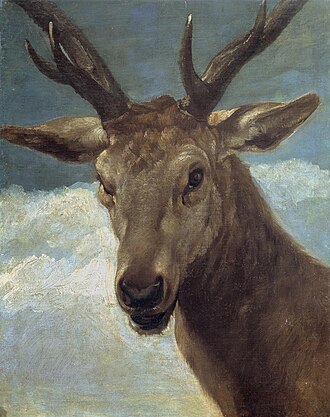 Head of a Stag - Diego Velázquez (1627)
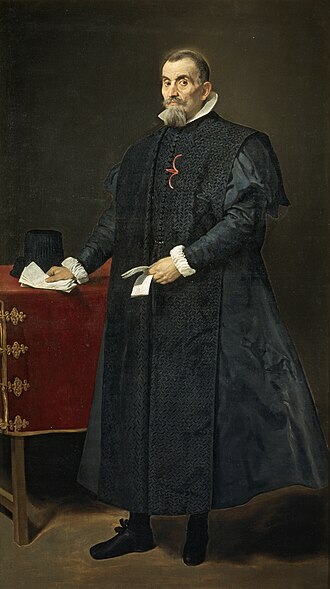 Portrait of Don Diego de Corral y Arellano - Diego Velázquez (1632)
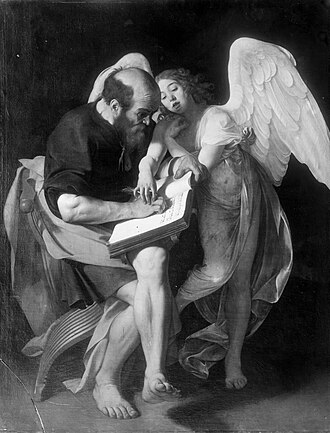 Saint Matthew and the Angel - Caravaggio (1602)
 Charles I (1600-1649) with M. de St Antoine - Anthony van Dyck (1636)
Curioso di sapere cos'è Baroque?
Baroque painting is the art of drama: bold light cutting through deep shadow, rich colour, and stories caught at their most exciting moment. It filled Europe from around 1600 into the early 18th century, and it still has the power to make a viewer stop and feel something.
What is Baroque painting, in simple words?
Baroque painting is the painting made during the Baroque cultural movement, from around 1600, through the 17th century and into the early 18th century. In its most typical form it is full of drama, with rich, deep colour and strong contrasts between light and dark. The label is broad, though: it also covers the calm classicism of French painters like Poussin and the quiet everyday scenes of Dutch painters such as Vermeer, at least in English.
Why is it called Baroque?
The word started out as an insult. Critics used "Baroque" to point at what they saw as excess: too many details, too much noise, compared with the clear and sober order of the Renaissance. Some trace the word to "Baroco", a term from old school logic for a laboured kind of argument. The Swiss-born art historian Heinrich Wölfflin rescued the word in his 1888 book Renaissance und Barock and treated the style as something worth serious study.
When and where did it start?
It took shape in Rome around 1600, where Caravaggio and the Carracci brothers were working and competing for commissions. Behind them was the Council of Trent (1545-1563), where the Catholic Church discussed reform. Church writers then asked that religious paintings show their subjects clearly and powerfully, without the stylish airs of Mannerism. Many art historians see this demand as a driving force behind the new style.
Who were the main painters?
The article names Velázquez, Caravaggio, Rembrandt, Rubens, Poussin and Vermeer among the greatest painters of the period. The Flemish painter Anthony van Dyck created a graceful but imposing portrait style that was very influential, especially in England. Le Nain and La Tour are mentioned for their use of light and dark, and in France, Nicolas Poussin and Claude Lorrain worked mostly in Rome.
How can I recognise a Baroque painting?
Look for strong drama. Typical Baroque works use chiaroscuro, a sharp play of light and shadow, often with figures spotlit against a dark background. Colours are rich and deep. Most of all, the painter picks the most dramatic instant, the moment when the action is actually happening, rather than a calm moment before it. The aim is to stir emotion and passion in the viewer.
How is it different from the Renaissance?
Renaissance art usually showed the moment before an event and prized calm rationality. Baroque art goes for the action itself and for feeling. The article gives a clear example from sculpture: Michelangelo's David stands composed and still before his fight with Goliath, while Bernini's Baroque David is caught in the very act of hurling the stone at the giant.
What did people think of it at the time?
Reactions were mixed. Caravaggio's realistic figures, painted directly from life and dramatically lit, shocked people of his time, and he was repeatedly criticised for a lack of decorum, or proper dignity, in his work. Later critics used the word "Baroque" itself to mock the style's excess. Only after Wölfflin's work did writers in French and English begin to treat it as a respectable subject.
Was Baroque painting only religious?
No. Religious scenes, history paintings, allegories and portraits were still seen as the most noble subjects, but landscapes, still lifes and scenes of everyday life were becoming more common in Catholic countries and were the main types of painting in Protestant ones. In wealthy 17th-century Holland, huge numbers of painters specialised in just one kind of picture, such as landscapes or still lifes, with very high technical standards.
Did it look the same everywhere in Europe?
Not at all. Italy led the way, and Mediterranean countries, followed by much of Germany and Central Europe, took up a full-blooded Baroque style. Dutch painting grew from northern realist traditions, with little religious art and a focus on everyday scenes, still life and landscape. In France, classicism gave Baroque painting a distinctive, more restrained flavour, and the later 17th century is seen as a golden age there.
Why does Baroque painting still matter?
Caravaggio's direct, spotlit realism is described as opening a new chapter in the history of painting. Van Dyck shaped portrait painting, especially in England. Dutch Golden Age painting created a new range of subjects, such as everyday scenes, landscapes and still lifes, that stayed very influential until the arrival of Modernism. Much of what we expect from a painting today grew out of this period.