クジャクのある静物
Rembrandt van Rijn · 1636
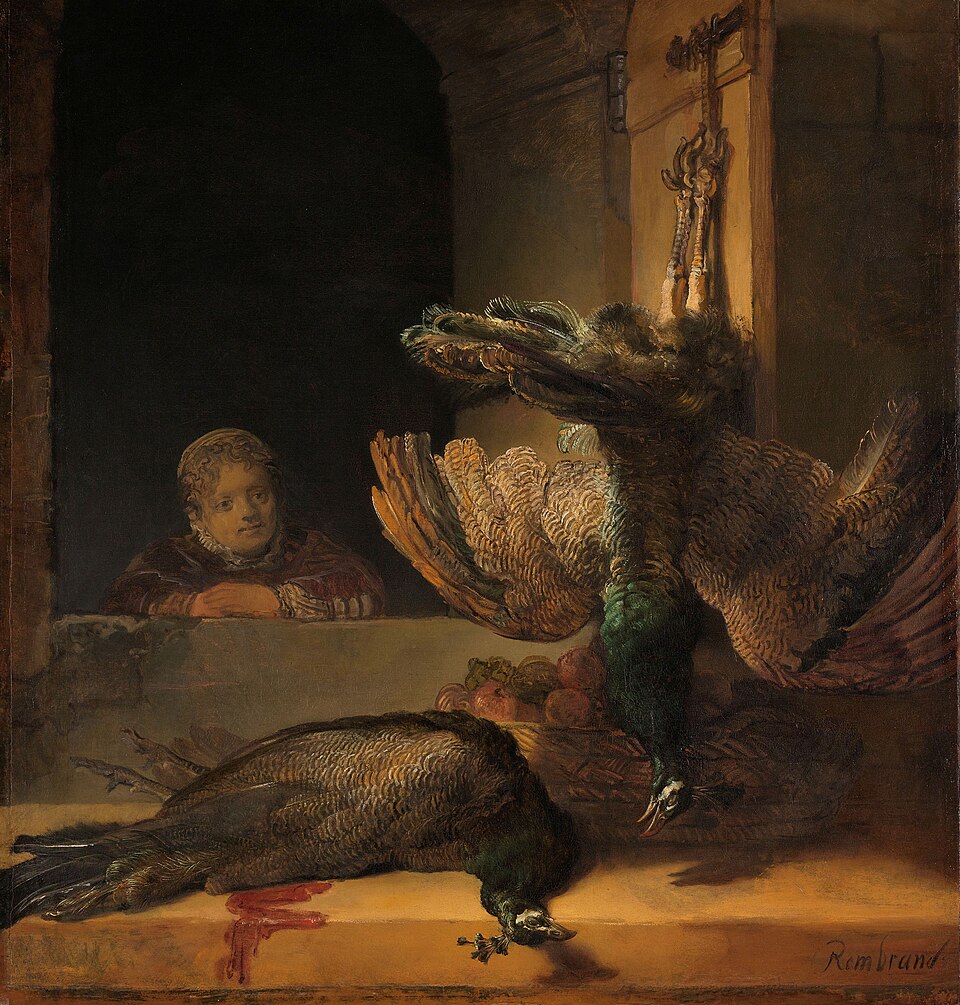
A girl in a crimson jacket leans on a stone window and gazes at two dead peacocks, one hanging, one lying by a pool of blood. It is one of the few still lifes Rembrandt ever painted, and its journey ran through Hitler's planned museum.
The story behind the painting
The Rijksmuseum dates this painting around 1639, while Wikidata gives 1636. It is one of the few still lifes by Rembrandt. It is first mentioned on 16 October 1660 in the estate inventory of Clara de Valaer, widow of Hendrik van Domselaer, in Amsterdam, as a piece with two peacocks and a child by Rembrandt. In 1685 it appears again in the inventory of her son Tobias as a large painting with two peacocks by Rembrandt. A sale of dead birds by Rembrandt in 1734 may or may not be this picture.
What to look for
A girl in a crimson velvet jacket leans in a stone window, looking at two dead peacocks. One hangs from a wooden window shutter; the other lies on a stone plinth near a pool of blood, beside a basket of fruit. Look also at the lower right, where the signature appears to read Rembrand. X-rays show that it originally read Rembrandt, with the R, d and t painted over. Not all art historians accept the signature as authentic, but the authenticity of the painting itself is not in doubt. The canvas is large, about 145 by 135.5 cm.
Meaning and intent
The picture joins a living figure to a still life of dead game in an unsettling way: the child looks on calmly at the hanging bird and the blood. The sources do not record what Rembrandt intended, but they note that the motif of a figure in a stone window with objects was later developed further by his pupil Gerrit Dou, who made such window scenes a speciality. Here the idea appears at large scale and with the drama of Rembrandt's light, in a genre he rarely touched.
Legacy
In 1819 the painting belonged to the British politician William Ralph Cartwright, who lent it to a London exhibition, and it stayed in his family until at least 1915. The dealer Frederik Muller and Co. acquired it in 1918, and Jean Joseph Marie Chabot owned it from 1918 to 1942, lending it to the Rijksmuseum from 1923. On 21 July 1942 Chabot illegally sold it with two other paintings to Erhard Gopel, buying for Hitler's planned Fuhrermuseum in Linz. In 1945 it was returned to the Dutch government, lent to the Rijksmuseum in 1948, and became the museum's property on 24 February 1960.
豆知識
- Dated around 1639 by the Rijksmuseum; Wikidata gives 1636.
- One of the few still lifes Rembrandt painted.
- Sold in 1942 for Hitler's planned museum in Linz.
- Owned by the Rijksmuseum since 1960.
画家について
Rembrandt van Rijn (1606-1669)
オランダ黄金時代の絵画 · 静物画 · アムステルダム国立美術館 · 子供 · 血液
同じ画家の作品: Rembrandt van Rijn
 夜警 - Rembrandt van Rijn (1642)
 自画像 - Rembrandt van Rijn (1659)
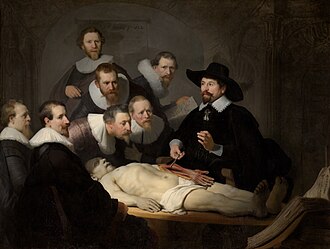 テュルプ博士の解剖学講義 - Rembrandt van Rijn (1632)
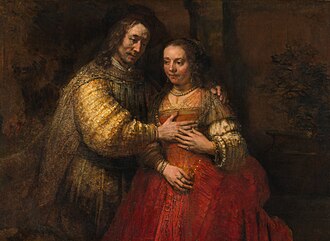 ユダヤの花嫁 - Rembrandt van Rijn (1660s)
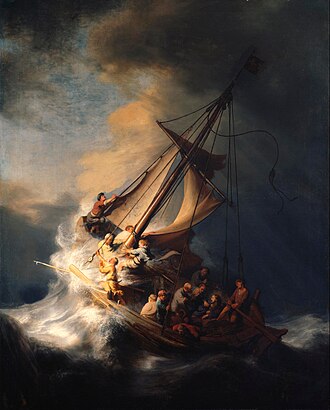 ガラリアの海の嵐 - Rembrandt van Rijn (1633)
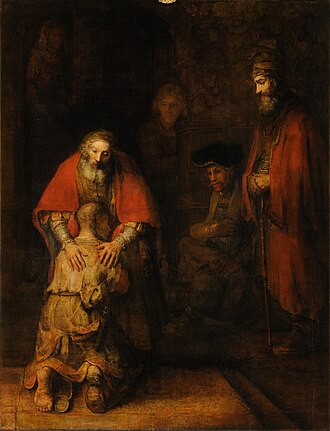 放蕩息子の帰還 - Rembrandt van Rijn (1668)
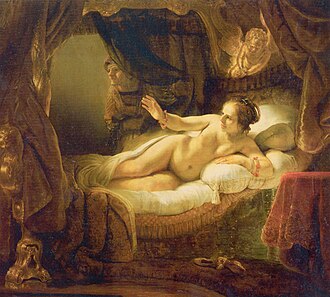 ダナエ - Rembrandt van Rijn (1636)
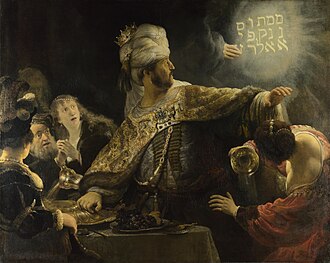 ベルシャザルの酒宴 - Rembrandt van Rijn (1636)
 真珠の耳飾りの少女
 牛乳を注ぐ女