聖ロザリアの戴冠
アンソニー・ヴァン・ダイク · 1629
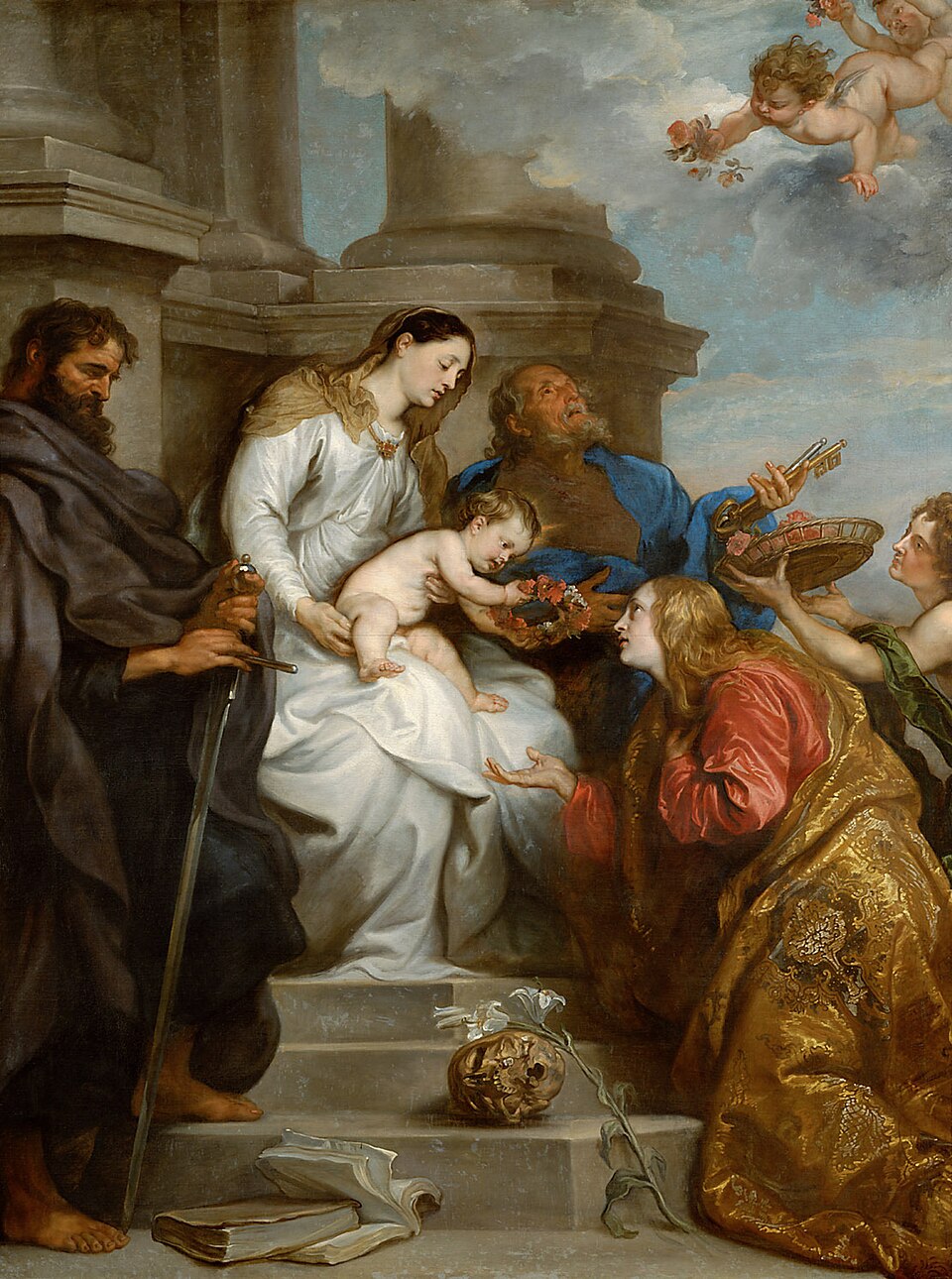
The Christ Child leans down to crown a kneeling young woman in a rich brocade mantle. Van Dyck had first painted Saint Rosalia while trapped by plague in Palermo. This 1629 canvas was his last picture of her.
The story behind the painting
Van Dyck painted The Coronation of Saint Rosalia in 1629 for the chapel of the Fraternity of senior bachelors in Antwerp's Jesuit church, then Saint Ignatius, later Saint Charles Borromeo. The chapel held relics of the saint, sent to Antwerp by the Jesuits during a plague in 1626, since Rosalia was invoked against the plague. Van Dyck had painted her five times while trapped in Palermo during a plague in 1624 and 1625. He was himself a member of the fraternity and worked for a relatively low fee.
What to look for
The Virgin and Child sit between Saint Paul, with his sword, and Saint Peter, with his keys. The Christ Child crowns Rosalia, who kneels. Her rich brocaded mantle is unprecedented in earlier Flemish images of the saint, which usually showed her alone in a poor, Franciscan-like habit. Look for her attributes, the skull, the lily and the roses. The lilies and roses are woven into the crown, carried in a basket by the figure at the far right, and held by cherubs in the top right corner.
Meaning and intent
Van Dyck drew themes and details from prints after Sicilian works. The crowning follows an engraving in the Jesuit Giordano Cascini's 1627 life of the saint, itself derived from a lost 1494 painting by Tommaso De Vigilia. The royal clothing may echo a painting by Riccardo Quartararo. But the composition and style come from Venice, a decisive influence on van Dyck: the bright colours and the diagonal of Madonna, Child and saint closely follow Veronese's 1575 Mystic Marriage of Saint Catherine, and the basket bearer probably quotes Titian's Salome.
Legacy
The Jesuits hoped to spread Rosalia's cult beyond Sicily through the great trading cities of the Spanish Netherlands. In Ypres they commissioned Gaspar de Crayer's own Coronation of Saint Rosalia in 1644, heavily influenced by Paulus Pontius's print after van Dyck's version. The painting and its companion, The Vision of the Blessed Hermann Joseph of 1630, stayed in the Antwerp chapel until 1776, when Empress Maria Theresa acquired both and took them to Vienna. Both now hang in the Kunsthistorisches Museum.
豆知識
- Painted in 1629 for a fraternity chapel in Antwerp's Jesuit church.
- Van Dyck's last painting of Saint Rosalia, a saint invoked against plague.
- Modelled mainly on Veronese's Mystic Marriage of Saint Catherine.
- Taken to Vienna by Maria Theresa in 1776; now in the Kunsthistorisches Museum.
画家について
アンソニー・ヴァン・ダイク (1599-1641)
同じ画家の作品: アンソニー・ヴァン・ダイク
%20-%20Google%20Art%20Project.jpg) チャールズ1世の三面肖像画 - Anthony van Dyck (1635)
チャールズ1世の三面肖像画 - Anthony van Dyck (1635)%20with%20M.%20de%20St%20Antoine%20-%20Google%20Art%20Project.jpg) 馬上のチャールズ1世とサン・アントワーヌの領主の肖像 - Anthony van Dyck (1636)
馬上のチャールズ1世とサン・アントワーヌの領主の肖像 - Anthony van Dyck (1636)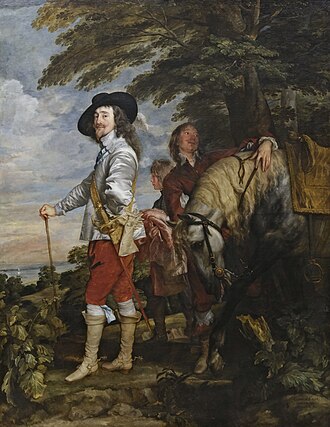 狩猟場のチャールズ1世 - Anthony van Dyck (1635)
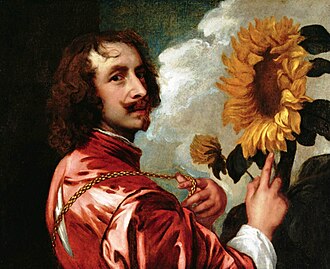 向日葵のある自画像 - Anthony van Dyck (1632)
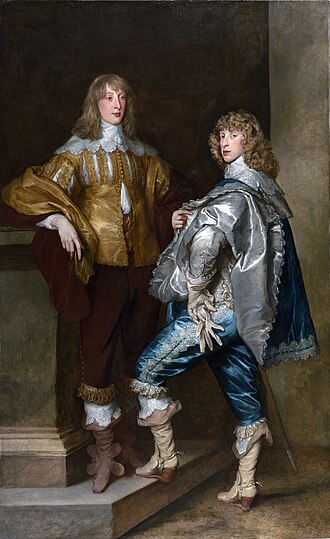 ジョン・ステュアート卿と弟バーナード・ステュアート卿の肖像 - Anthony van Dyck (1638)
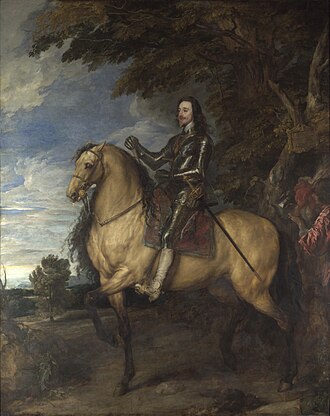 チャールズ1世騎馬像 - Anthony van Dyck (1637)
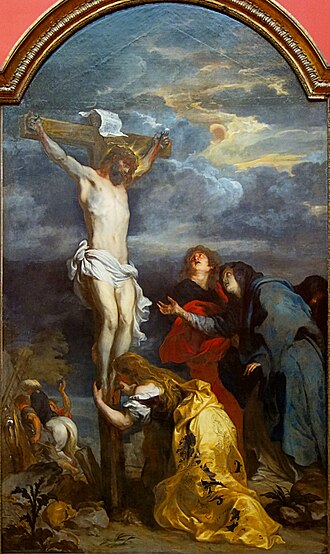 キリストの磔刑 - Anthony van Dyck
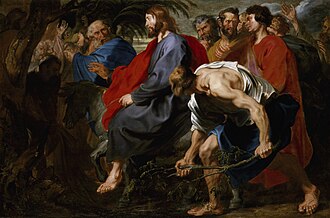 キリストのエルサレム入城 - Anthony van Dyck (1617)
関連する画家の作品
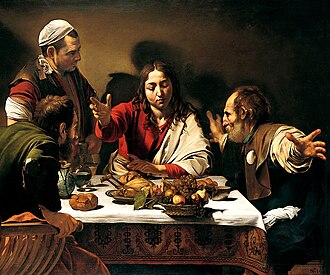 エマオの晩餐 - Caravaggio (1601)
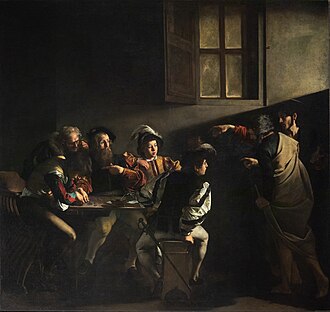 聖マタイの召命 - Caravaggio (1609)
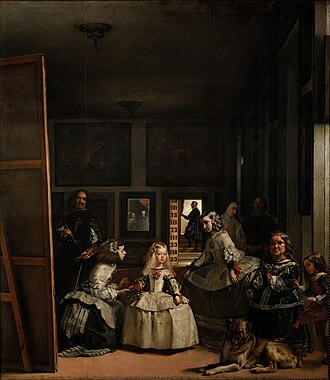 ラス・メニーナス - Diego Velázquez (1656)
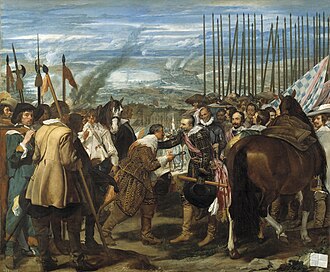 ブレダの開城 - Diego Velázquez (1635)
.jpg) キリスト昇架 - Peter Paul Rubens (1609)
キリスト昇架 - Peter Paul Rubens (1609)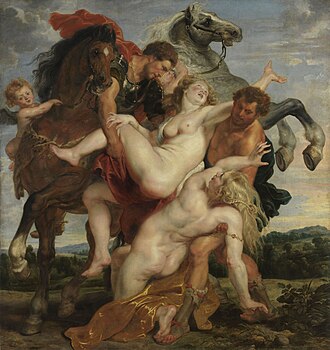 レウキッポスの娘たちの略奪 - Peter Paul Rubens (1618)
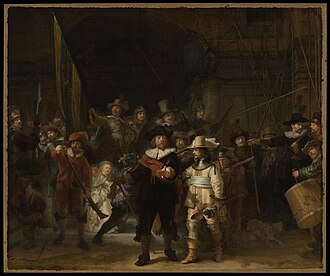 夜警 - Rembrandt van Rijn (1642)
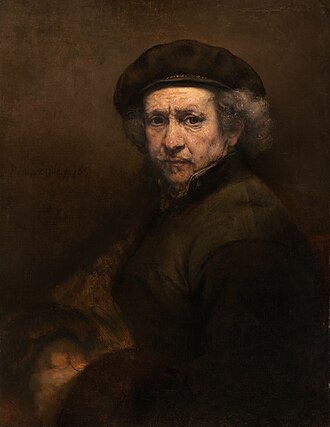 自画像 - Rembrandt van Rijn (1659)
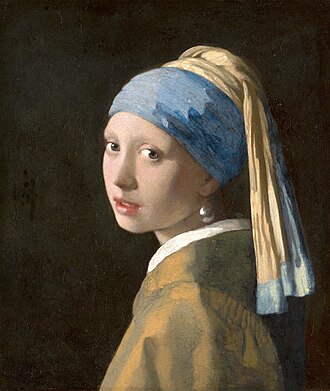 真珠の耳飾りの少女 - Johannes Vermeer (1665)
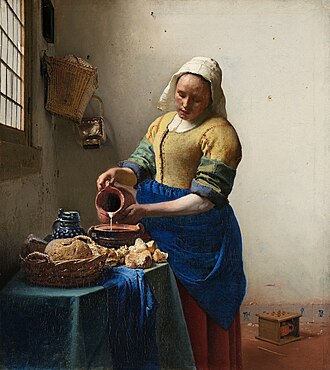 牛乳を注ぐ女 - Johannes Vermeer (c. 1658)