向日葵のある自画像
アンソニー・ヴァン・ダイク · 1632
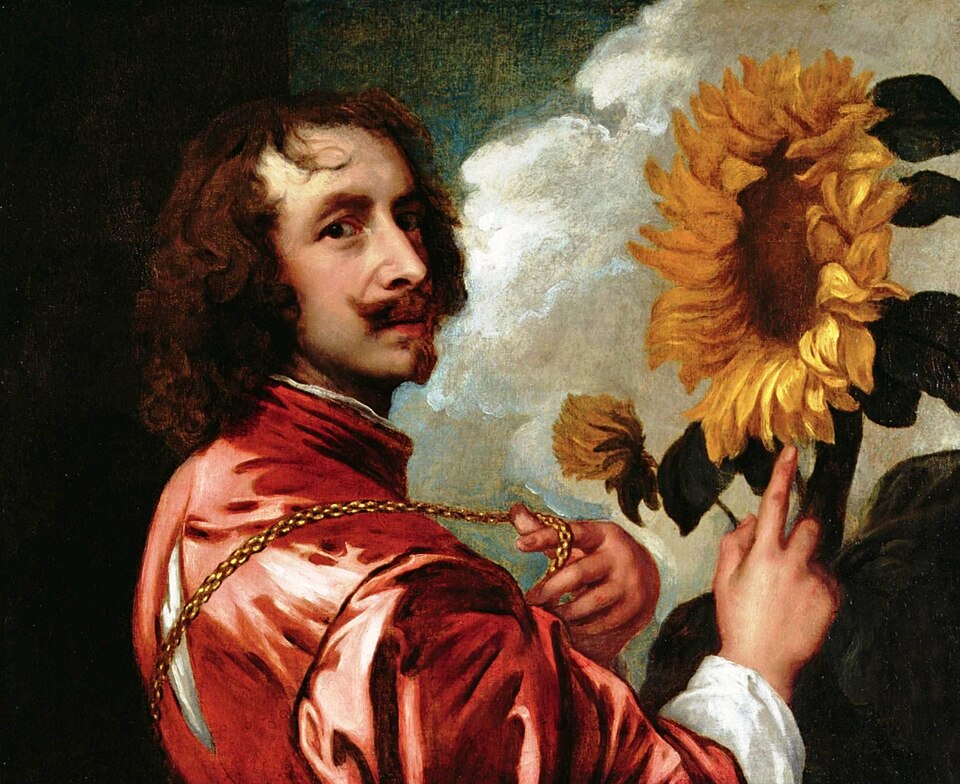
Van Dyck looks back over his shoulder, one hand on a great yellow sunflower, the other lifting the gold chain King Charles I gave him. Is the flower a pledge of loyalty to the crown? Historians still disagree.
The story behind the painting
Anthony van Dyck, a Flemish Baroque painter from Antwerp, made this self-portrait around 1632 to 1633, while serving as principal painter to Charles I of England. The king, a famous patron who amassed an estimated 1,750 paintings, wanted artists who could portray him more regally than his earlier court painter, Daniel Mytens. Van Dyck was asked to come to England in April 1632, was knighted in July, and received a house and a pension. He painted more than forty portraits of the king alone. A little over a year after his arrival, a warrant ordered a gold chain and medal to be given to him.
What to look for
The painter looks over his shoulder at us, as if calmly startled by an onlooker. His right hand is poised to touch the lower petals of the sunflower; his left thumb and finger hold the gold chain that runs across his shoulder. The medal with the king's likeness is hidden by his sleeve. He wears a richly dyed pink coat with white shirt showing at collar and cuffs, under a cloudy outdoor sky. Light rises from the lower left and catches the outer petals, so the flower seems to shine on his face in approval.
Meaning and intent
The sunflower turns to follow the sun, which is why it stood for devotion and fidelity, and seventeenth-century English emblem books used it for loyalty. Many read the picture as a declaration of loyalty to Charles I, the flower facing the painter as the monarch's approval. Others disagree: van Dyck's workshop also painted his friend Sir Kenelm Digby with a sunflower, where a royal nod makes less sense, and some argue van Dyck was not one to boast of depending on anyone, even a king. The chain, designed perhaps by Nicolas Briot, was both a reward and a sign of his status.
Legacy
Van Dyck's devotion to capturing his sitters' likeness gave him lasting influence over portraiture long after his death in 1641, and this work belongs to what is called his Late English period. In the early 1640s, during the English Civil War, the portrait was used as a loosely defined royalist propaganda piece. Today it is in the private collection of the Duke of Westminster at Eaton Hall in Cheshire and is rarely seen; it was shown in the exhibition Charles I: King and Collector at the Royal Academy of Arts in 2018.
豆知識
- Painted around 1632 to 1633 at the court of Charles I.
- The gold chain was a gift from the king.
- The meaning of the sunflower is still debated.
- Privately owned by the Duke of Westminster, at Eaton Hall.
画家について
アンソニー・ヴァン・ダイク (1599-1641)
ロングヘア · バロック · 自画像 · 空 · 茶髪 · 雲 · 口ひげ
同じ画家の作品: アンソニー・ヴァン・ダイク
%20-%20Google%20Art%20Project.jpg) チャールズ1世の三面肖像画 - Anthony van Dyck (1635)
チャールズ1世の三面肖像画 - Anthony van Dyck (1635)%20with%20M.%20de%20St%20Antoine%20-%20Google%20Art%20Project.jpg) 馬上のチャールズ1世とサン・アントワーヌの領主の肖像 - Anthony van Dyck (1636)
馬上のチャールズ1世とサン・アントワーヌの領主の肖像 - Anthony van Dyck (1636)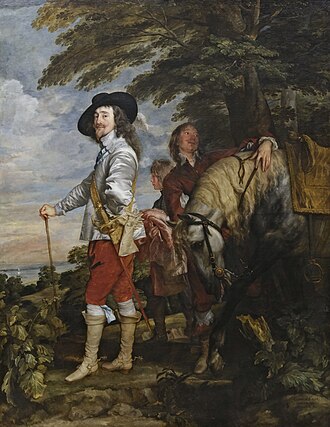 狩猟場のチャールズ1世 - Anthony van Dyck (1635)
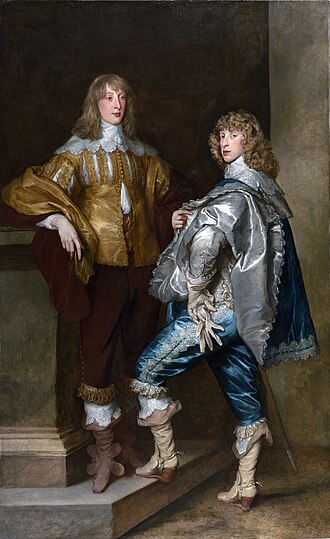 ジョン・ステュアート卿と弟バーナード・ステュアート卿の肖像 - Anthony van Dyck (1638)
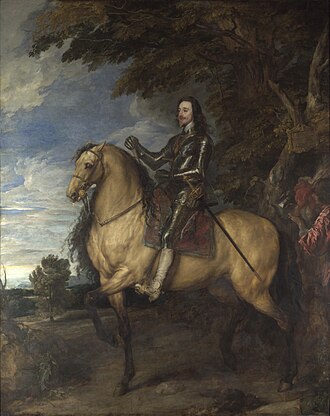 チャールズ1世騎馬像 - Anthony van Dyck (1637)
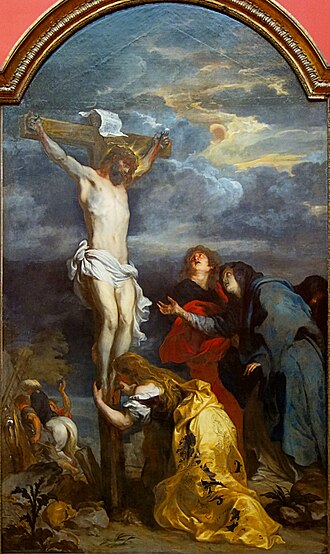 キリストの磔刑 - Anthony van Dyck
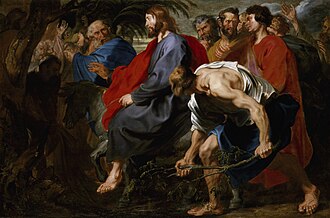 キリストのエルサレム入城 - Anthony van Dyck (1617)
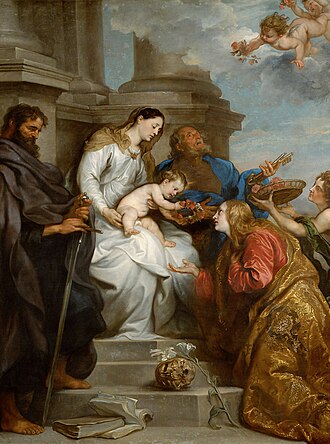 聖ロザリアの戴冠 - Anthony van Dyck (1629)
関連する画家の作品
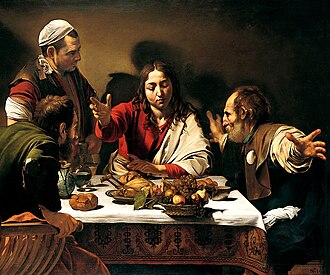 エマオの晩餐 - Caravaggio (1601)
 聖マタイの召命 - Caravaggio (1609)
 ラス・メニーナス - Diego Velázquez (1656)
 ブレダの開城 - Diego Velázquez (1635)
.jpg) キリスト昇架 - Peter Paul Rubens (1609)
キリスト昇架 - Peter Paul Rubens (1609) レウキッポスの娘たちの略奪 - Peter Paul Rubens (1618)
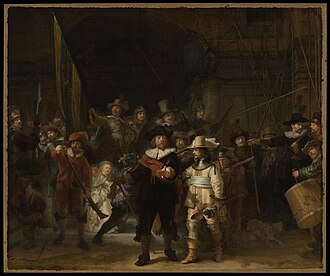 夜警 - Rembrandt van Rijn (1642)
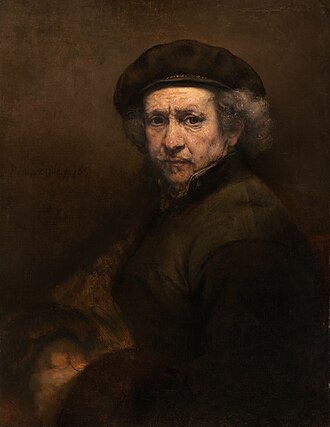 自画像 - Rembrandt van Rijn (1659)
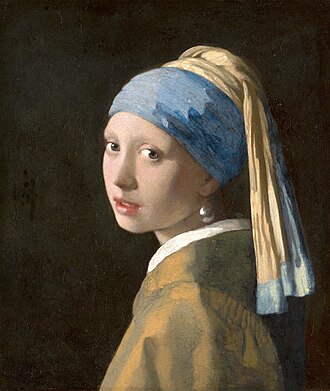 真珠の耳飾りの少女 - Johannes Vermeer (1665)
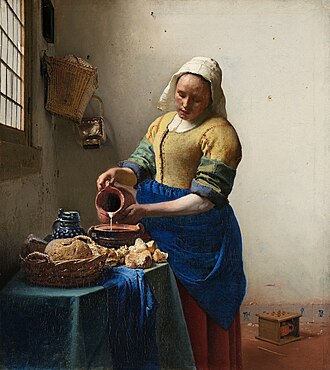 牛乳を注ぐ女 - Johannes Vermeer (c. 1658)