Mary Magdalene in Ecstasy
Artemisia Gentileschi · 1623
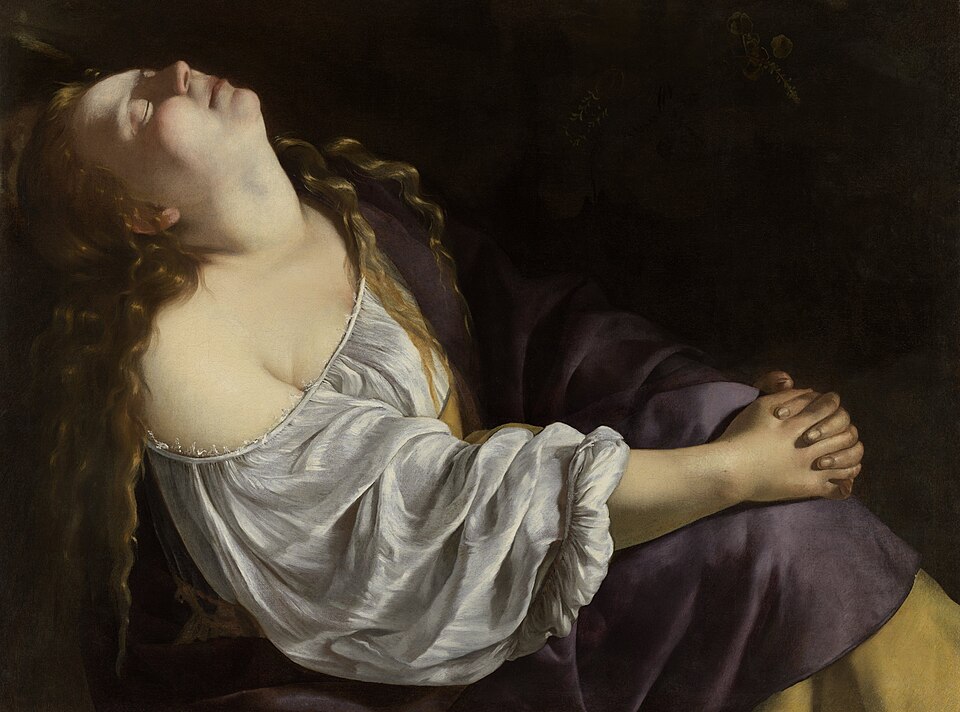
Head thrown back, eyes closed, blond hair spilling behind her, Artemisia Gentileschi's Magdalene is not weeping over her sins. She is, in one catalogue's words, passionately alive. The painting was almost unknown until 2011.
The story behind the painting
Mary Magdalene in Ecstasy is a painting by the Italian Baroque artist Artemisia Gentileschi, one of many pictures of the Magdalene she made. There is no precise date: the first half of the 1620s has been suggested, and Wikidata gives 1623. For a long time the work was virtually unknown. A 2011 article identified it from an old photograph, and research then confirmed that it had once belonged to a private collection in France. In 2014 it appeared at auction in Paris, setting a record at the time for a work by Gentileschi.
What to look for
A woman sits with her head leaning back and her hands clasped around her knee. Her gown is purple and ochre over a white chemise trimmed with lace, and as she leans back the chemise slips to bare her right shoulder. Her wavy blond hair falls behind her. Her eyes are closed. Around her is a darkened landscape, and a strong light enters from the right, picking out face, shoulder and hands against the dark. Missing are the skull, candle and ointment jar that usually signal her repentance.
Meaning and intent
Mary Magdalene was more usually painted penitent in a landscape. A 2020 exhibition catalogue wrote that here she is passionately alive and in the throes of ecstatic rapture. Scholars have connected the painting to Caravaggio's Mary Magdalen in Ecstasy: both artists show more of her flesh and shoulder than other versions, giving the devotional scene an erotic charge. Because the usual symbols of repentance are absent, art historians have relied on this sensual feeling when identifying the work and attributing it to Gentileschi.
Legacy
After its rediscovery and the 2014 sale, the painting found a public home. On 4 February 2026 the National Gallery of Art in Washington, D.C., announced that it had acquired the work for its permanent collection, calling it a defining artwork by one of the 17th century's most celebrated artists. Wikidata, which has not caught up, lists it under the Galería Nacional de Arte. The canvas measures about 81 by 105 cm. A picture once known only from an old photograph can now be seen by anyone who visits Washington.
Did you know?
- Painted by Artemisia Gentileschi, probably in the early 1620s.
- Identified in 2011 from an old photograph.
- Acquired by the National Gallery of Art, Washington, in 2026.
- Shown without the usual skull, candle or ointment jar.
About the artist
Artemisia Gentileschi (1593-1653)
religious art · woman · Galería Nacional de Arte · Mary Magdalene
More by Artemisia Gentileschi
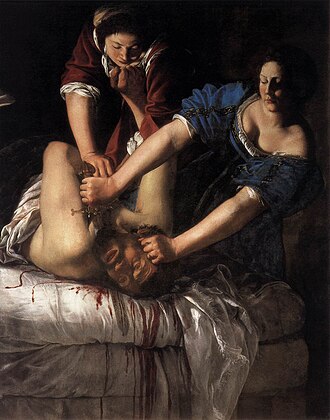 Judith Slaying Holofernes - Artemisia Gentileschi (1613)
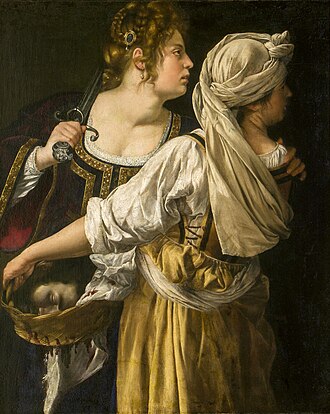 Judith and Her Maidservant - Artemisia Gentileschi (1618)
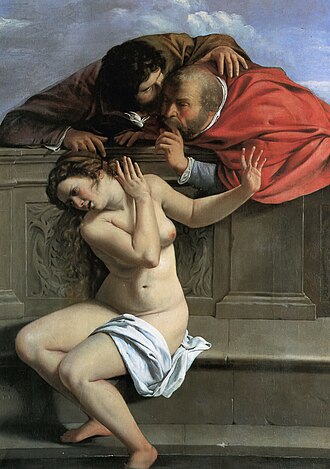 Susanna and the Elders - Artemisia Gentileschi (1610)
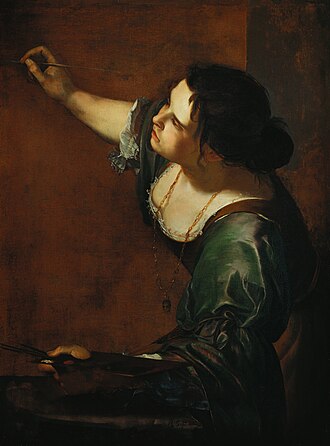 Self-Portrait as the Allegory of Painting - Artemisia Gentileschi (1638)
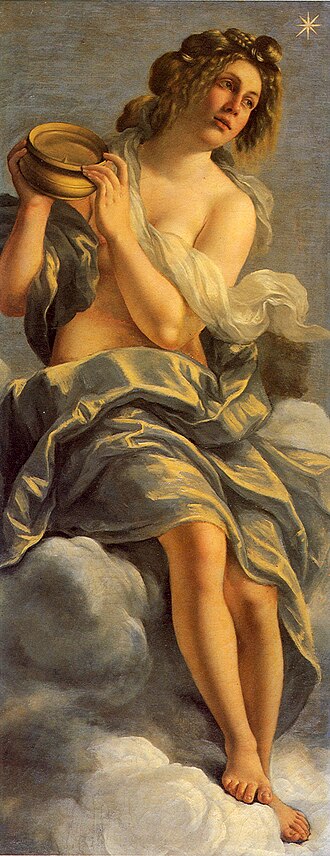 Allegory of Inclination - Artemisia Gentileschi (1615)
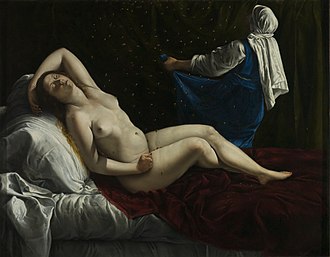 Danaë - Artemisia Gentileschi (1612)
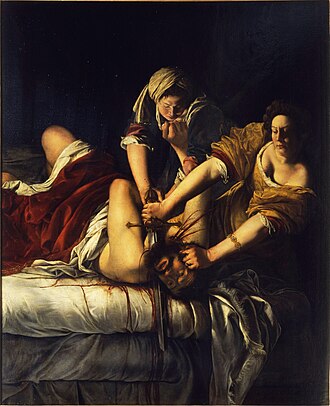 Judith Beheading Holofernes - Artemisia Gentileschi (1620)
 Esther before Ahasuerus - Artemisia Gentileschi (1620s)
Paintings by related artists
 Supper at Emmaus - Caravaggio (1601)
 The Calling of Saint Matthew - Caravaggio (1609)
 Las Meninas - Diego Velázquez (1656)
 The Surrender of Brea - Diego Velázquez (1635)
 Saint Francis in Meditation - Francisco de Zurbarán (1639)
 The Immaculate Conception - Francisco de Zurbarán (1661)
 Charles I in Three Positions - Anthony van Dyck (1635)
 Charles I (1600-1649) with M. de St Antoine - Anthony van Dyck (1636)
 The Elevation of the Cross - Peter Paul Rubens (1609)
 The Rape of the Daughters of Leucippus - Peter Paul Rubens (1618)
 The Night Watch - Rembrandt van Rijn (1642)
 Self-Portrait - Rembrandt van Rijn (1659)