Supper at Emmaus
Caravaggio · 1601
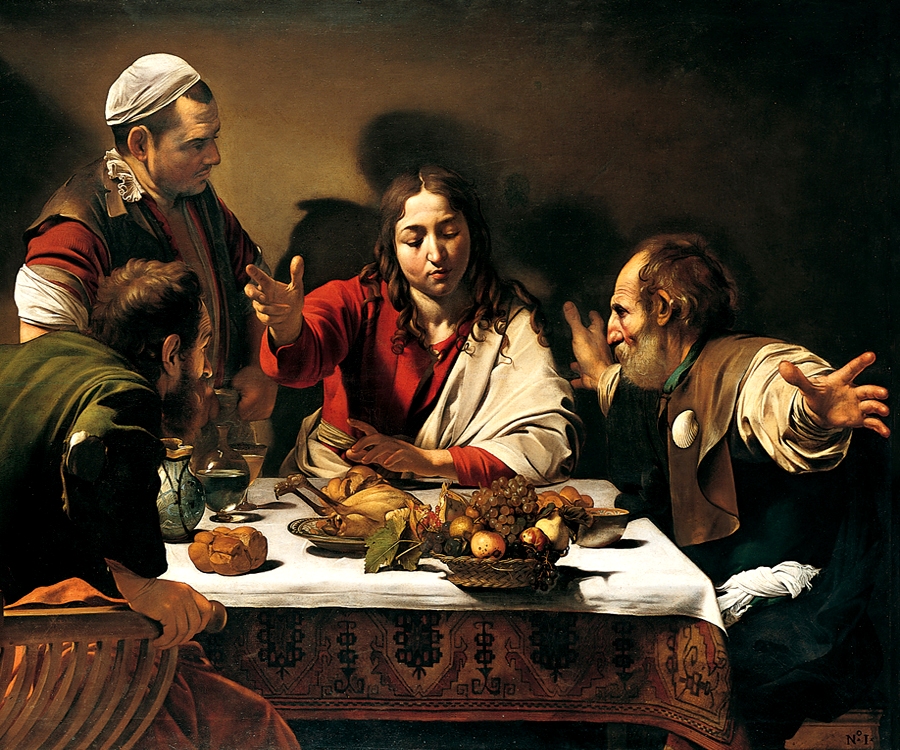
A masterpiece of Italian Baroque painting, Caravaggio's Supper at Emmaus captures a pivotal moment in Christian scripture with striking realism and emotional depth.
The story behind the painting
Caravaggio painted Supper at Emmaus in 1601, during a tumultuous period in his life. Having killed a man in a duel, he was forced to flee Rome and seek refuge with Prince Marzio Colonna. This painting, possibly commissioned by Marchese Patrizi, showcases Caravaggio's innovative use of chiaroscuro and tenebrism, which would become hallmarks of Baroque painting. The work depicts the moment when Jesus reveals himself to two of his disciples in Emmaus, as described in the Gospel of Luke.
What to look for
In this painting, observe the dramatic use of light and shadow, which draws the viewer's eye to the central figure of Christ. Note the expressive gestures and facial reactions of the disciples, as well as the innkeeper and his wife, which convey a sense of surprise and awe. The composition is characterized by a sense of intimacy and immediacy, with the figures arranged around a simple table. The brushwork is fluid and calligraphic, with some areas of the painting appearing more loosely executed than others.
Meaning and intent
Caravaggio's Supper at Emmaus is a powerful representation of the Eucharist and the Catholic Church's teachings. By depicting the moment when Jesus reveals himself to his disciples, the painting emphasizes the significance of this event in Christian scripture. The artist's use of everyday people as models for the disciples and other figures adds to the sense of realism and immediacy, drawing the viewer into the scene. The painting has been interpreted as a celebration of the sacrament of communion and the presence of Christ in the lives of believers.
Legacy
Supper at Emmaus has had a lasting impact on the development of Western art, influencing generations of artists, including Peter Paul Rubens, Jusepe de Ribera, and Gian Lorenzo Bernini. The painting's innovative use of light and shadow, as well as its emotionally charged composition, have made it a model for countless works of art. Today, it is housed in the Pinacoteca di Brera in Milan, where it remains one of Caravaggio's most celebrated works.
Did you know?
- The painting was loaned to the Museum of Arts and Crafts in Zagreb in 2013 as a gift from the Italian government to celebrate Croatia's accession to the European Union.
- A later version of the same subject, painted in 1606, is located in the National Gallery in London.
- Caravaggio's use of chiaroscuro and tenebrism in this painting helped to establish him as a leading figure in the development of Baroque painting.
- The artist's tumultuous personal life, marked by violence and controversy, has become legendary and continues to fascinate art lovers to this day.
Wikipedia · Wikipedia - Caravaggio · Wikidata
About the artist
Caravaggio (1571-1610)
religious art · Italian Baroque painting · Jesus Christ
More by Caravaggio
 The Calling of Saint Matthew - Caravaggio (1609)
 The Beheading of Saint John the Baptist - Caravaggio (1608)
 Supper at Emmaus - Caravaggio (1601)
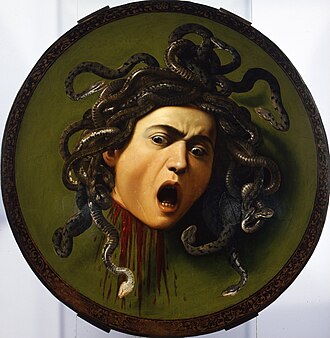 Medusa - Caravaggio (1597)
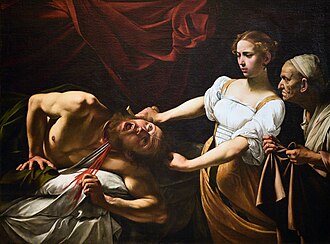 Judith Beheading Holofernes - Caravaggio (1598)
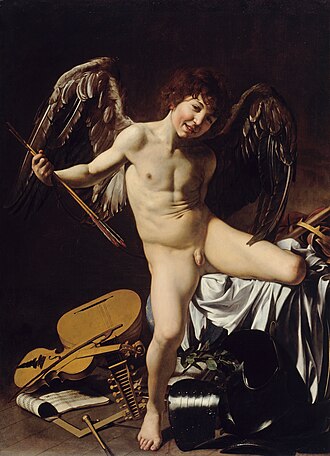 Amor Vincit Omnia - Caravaggio (1600s)
%2C%201595%20circa%2C%20534.jpg) Self-Portrait as Bacchus - Caravaggio (1595)
Self-Portrait as Bacchus - Caravaggio (1595).jpg) Death of the Virgin - Caravaggio (1600s)
Death of the Virgin - Caravaggio (1600s)
Paintings by related artists
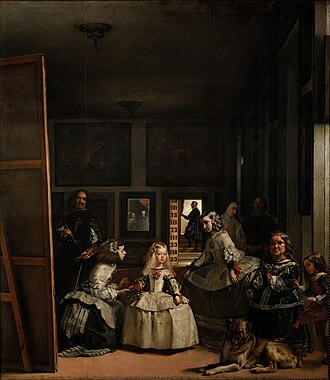 Las Meninas - Diego Velázquez (1656)
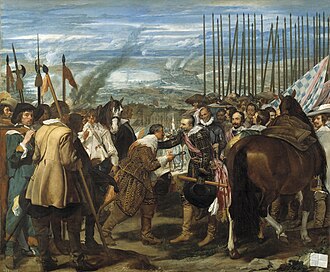 The Surrender of Brea - Diego Velázquez (1635)
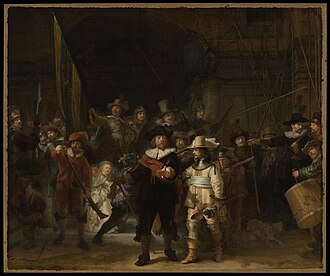 The Night Watch - Rembrandt van Rijn (1642)
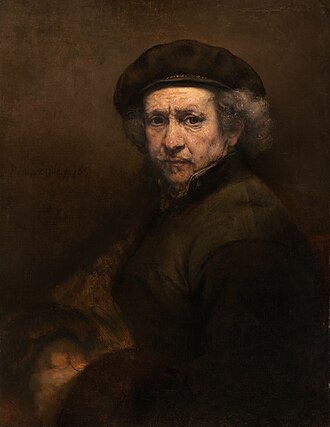 Self-Portrait - Rembrandt van Rijn (1659)
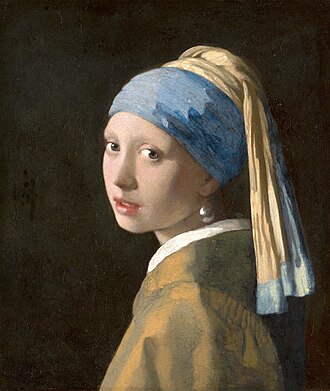 Girl with a Pearl Earring - Johannes Vermeer (1665)
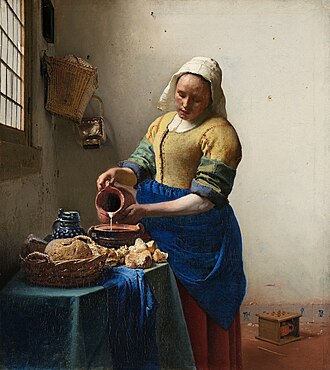 The Milkmaid - Johannes Vermeer (c. 1658)