The Night Watch
Rembrandt van Rijn · 1642
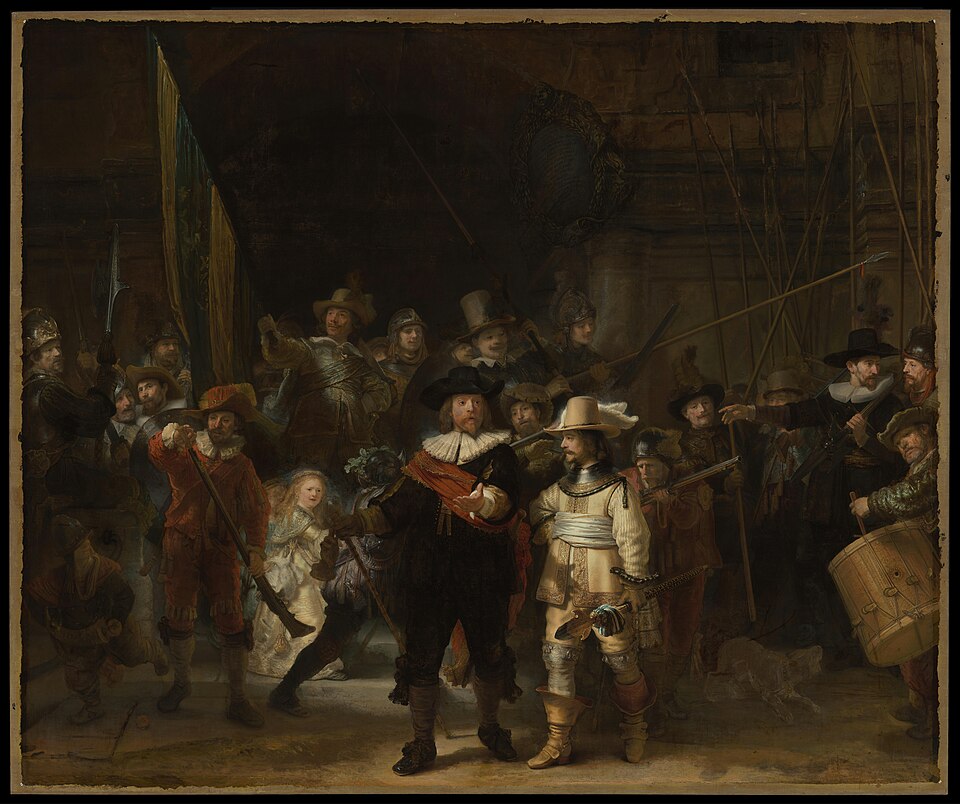
One of the most iconic paintings in the history of art, Rembrandt's 'The Night Watch' is a masterpiece that continues to captivate art lovers with its rich history, stunning composition, and intricate details.
The story behind the painting
Commissioned in 1639 by Frans Banninck Cocq and seventeen members of his civic militia guards, 'The Night Watch' was painted by Rembrandt van Rijn in 1642. At the peak of the Dutch Golden Age, Rembrandt transformed a group portrait of militiamen into a compelling drama energized by light and shadow. The painting was created in a lean-to in Rembrandt's garden, as it was too large to fit into his Amsterdam studio. Rembrandt was paid 1,600 guilders for the painting, a large sum at the time. The painting was intended to hang in the banquet hall of the newly built Kloveniersdoelen in Amsterdam.
What to look for
As you gaze upon 'The Night Watch,' notice the dramatic lighting, which was a hallmark of Rembrandt's style. The painting features a large group of militiamen, led by Captain Frans Banninck Cocq and his lieutenant, Willem van Ruytenburch. Look for the young girl carrying a dead chicken on her belt, symbolizing the traditional emblem of the arquebusiers. The painting is characterized by its use of chiaroscuro, with strong contrasts between light and dark. Observe the intricate details, such as the textures of the clothing, the architecture in the background, and the expressions on the faces of the militiamen.
Meaning and intent
Rembrandt's 'The Night Watch' is more than just a group portrait; it's a masterpiece that showcases the artist's skill in capturing the essence of his subjects. The painting is often misinterpreted as a nocturnal scene due to its dark varnish coating, which was removed in the 1940s. The title 'The Night Watch' is a misnomer, as the scene is actually set during the day. The painting is a testament to Rembrandt's innovative use of light and shadow, which adds depth and emotion to the scene. The artist's use of symbolism, such as the young girl with the dead chicken, adds layers of meaning to the painting.
Legacy
'The Night Watch' is considered one of the greatest paintings in the history of Western art. It has been a part of the Rijksmuseum's collection since 1885 and is currently displayed in the Nachtwachtzaal. The painting has undergone several restorations, including a major restoration project that began in 2019. In 2020, the Rijksmuseum published a 44.8 gigapixel image of the painting, allowing art lovers to zoom in and explore the intricate details. 'The Night Watch' continues to inspire artists, art historians, and enthusiasts alike, cementing its place as an iconic masterpiece in the world of art.
Did you know?
- The painting was originally larger, but was trimmed on all four sides in 1715 to fit it between two columns in the Amsterdam Town Hall.
- A 17th-century copy of the painting by Gerrit Lundens shows the original composition.
- The painting was stored in a special safe in the caves of Maastricht during World War II.
- Rembrandt's innovative use of lead(II) formate in the paint layers was discovered during the 2019 restoration project.
Wikipedia · Wikipedia - Rembrandt van Rijn · Wikidata
About the artist
Rembrandt van Rijn (1606-1669)
man · Dutch Golden Age painting · girl · Rijksmuseum · Amsterdam Museum · night
More by Rembrandt van Rijn
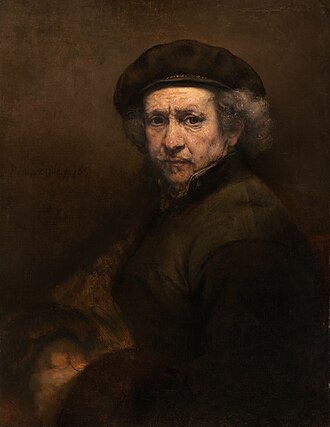 Self-Portrait - Rembrandt van Rijn (1659)
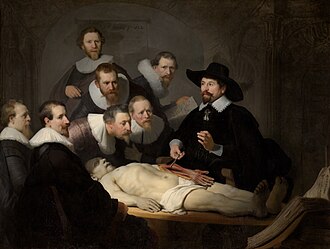 The Anatomy Lesson of Dr. Nicolaes Tulp - Rembrandt van Rijn (1632)
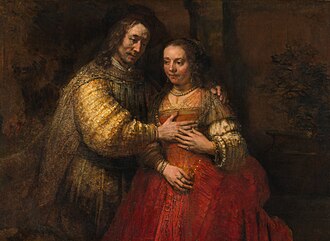 The Jewish Bride - Rembrandt van Rijn (1660s)
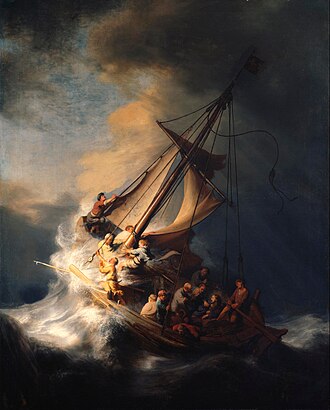 The Storm on the Sea of Galilee - Rembrandt van Rijn (1633)
 Return of the Prodigal Son - Rembrandt van Rijn (1668)
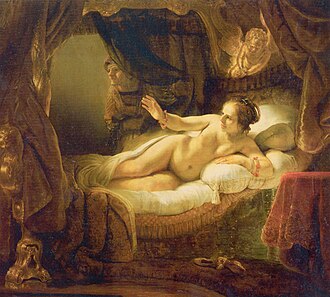 Danaë - Rembrandt van Rijn (1636)
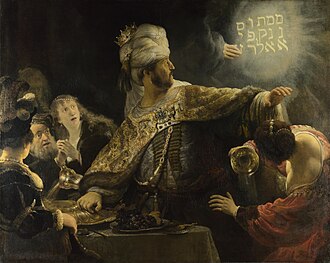 Belshazzar's Feast - Rembrandt van Rijn (1636)
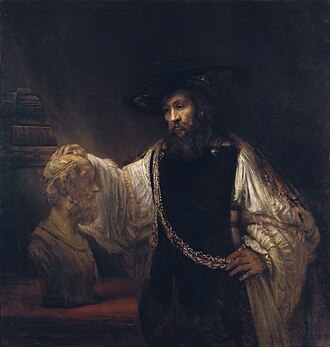 Aristotle with a Bust of Homer - Rembrandt van Rijn (1653)
Paintings by related artists
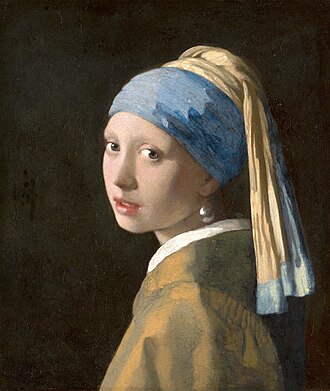 Girl with a Pearl Earring - Johannes Vermeer (1665)
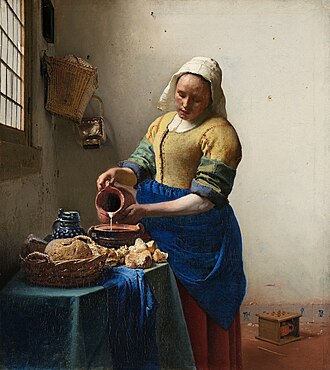 The Milkmaid - Johannes Vermeer (c. 1658)
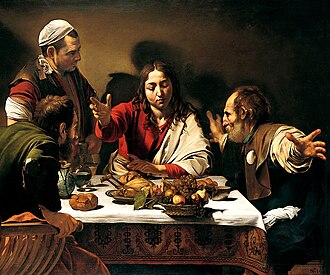 Supper at Emmaus - Caravaggio (1601)
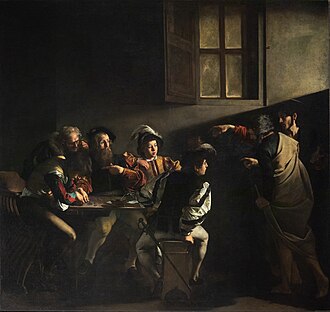 The Calling of Saint Matthew - Caravaggio (1609)
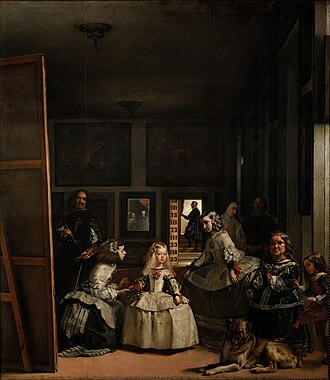 Las Meninas - Diego Velázquez (1656)
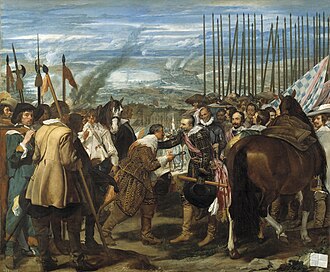 The Surrender of Brea - Diego Velázquez (1635)