Bathsheba
Artemisia Gentileschi · 1637
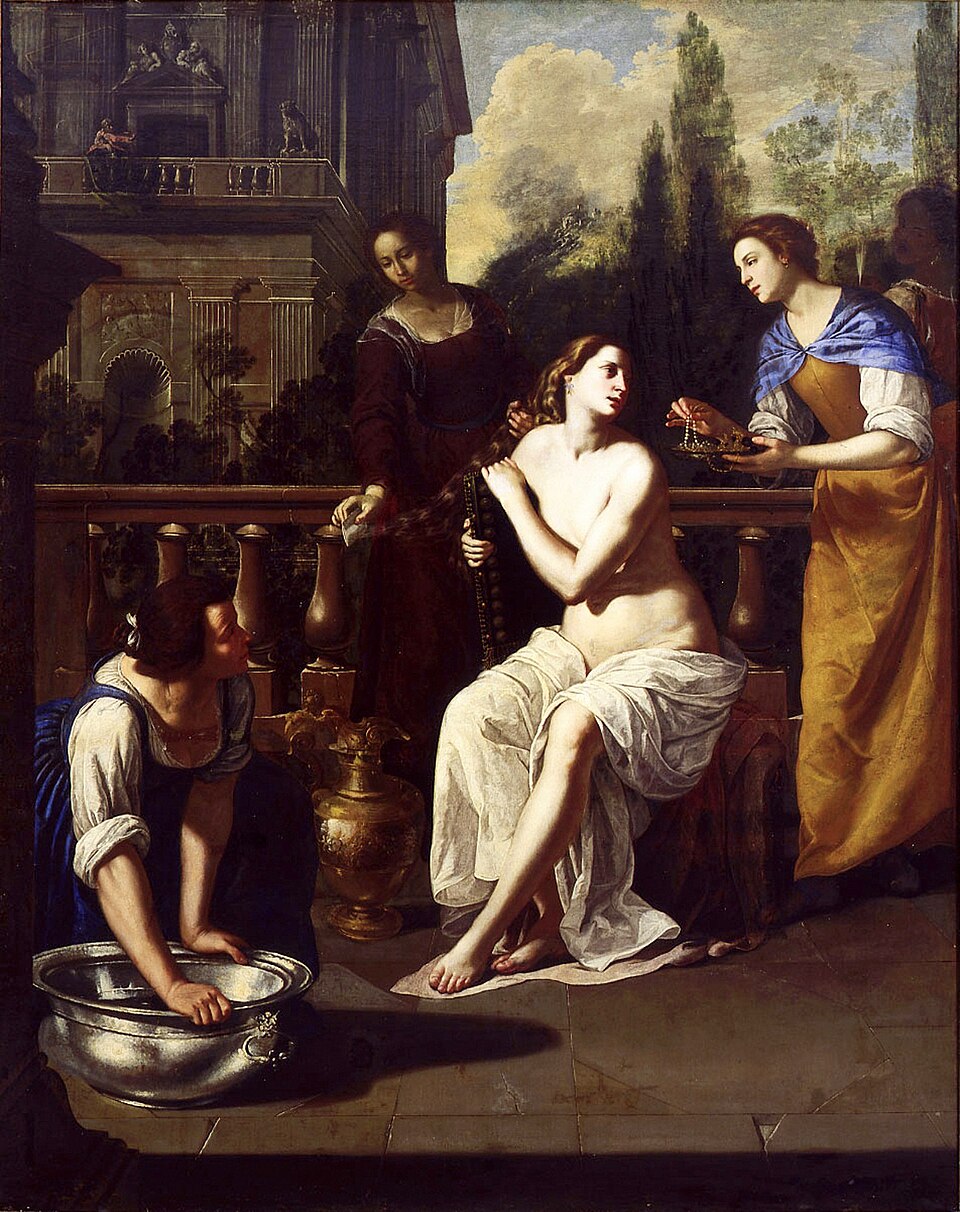
Bathsheba sits calm while her servants wash and adorn her. High on a palace terrace, a tiny King David is already watching. Artemisia Gentileschi painted this story seven times; this is one of her grandest versions.
The story behind the painting
Artemisia Gentileschi painted this Bathsheba around 1636 to 1637, during her years in Naples, with help from two specialists: Viviano Codazzi painted the architecture at the top left, and Domenico Gargiulo the landscape. It is one of seven versions of the Bathsheba story she painted. The subject comes from 2 Samuel 11: King David sees Bathsheba bathing from his palace, summons and seduces her, and the death of her husband, a soldier, was rumoured to have been arranged by David. The date is debated: Jesse Locker places the painting in the 1640s rather than the 1630s.
What to look for
This is a very large canvas, about 265.4 by 209.6 cm. The focus is entirely on Bathsheba, calm, attended by her servants. David is only a tiny figure at the top left, caught at the very moment he spots her. Look at Codazzi's architecture and Gargiulo's landscape around the women. Look too at the condition: the canvas was restored in 1979 and 1996 to repair three tears, and some figures' colours look flattened, with much abrasion in the landscape.
Meaning and intent
Most scholars agree this belongs to Gentileschi's later style, shaped more by Bolognese classicism than by the Caravaggism of her early career; an eighteenth century biographer even linked her style to Guido Reni. Keith Christiansen praises its sophisticated construction, and Letizia Treves calls it one of the most accomplished works of her maturity, a large scene with many figures on different planes. Locker is cooler, grouping it with late works that to modern eyes seem anodyne and over finished. R. Ward Bissell contrasts her first Bathsheba, where the heroine grips her chair and looks past the jewels, with the more aristocratic later versions.
Legacy
The first recorded owner was Luigi Rome, Baron of San Luigi, in Naples in the 1740s, who also owned a Susannah by Gentileschi. The painting then passed through several Roman antique dealers, was acquired by Colnaghi in 1962, and reached its present owner in February 1967. It now belongs to the Columbus Museum of Art in Ohio, a rare chance to see a late, monumental Gentileschi and the Neapolitan teamwork behind it.
Did you know?
- Painted c. 1636-1637 with Viviano Codazzi and Domenico Gargiulo.
- One of seven Bathsheba versions by Gentileschi.
- Jesse Locker dates it to the 1640s instead.
- In the Columbus Museum of Art, Ohio.
About the artist
Artemisia Gentileschi (1593-1653)
religious art · woman · Bathsheba
More by Artemisia Gentileschi
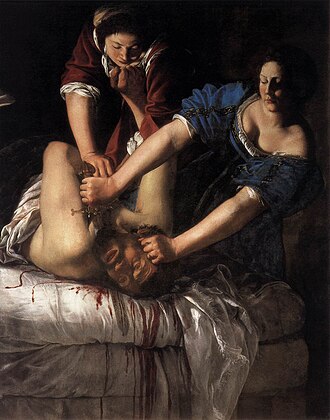 Judith Slaying Holofernes - Artemisia Gentileschi (1613)
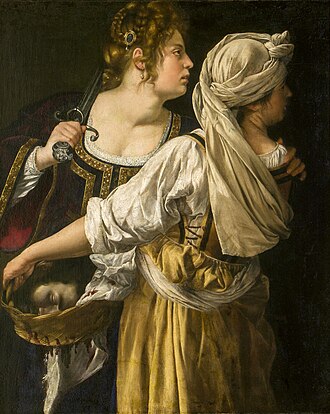 Judith and Her Maidservant - Artemisia Gentileschi (1618)
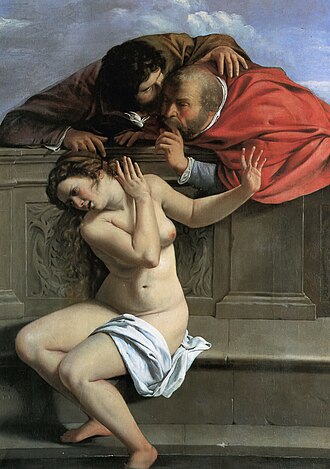 Susanna and the Elders - Artemisia Gentileschi (1610)
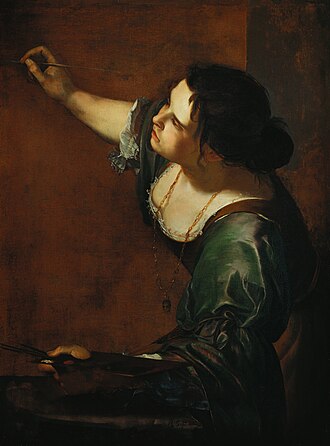 Self-Portrait as the Allegory of Painting - Artemisia Gentileschi (1638)
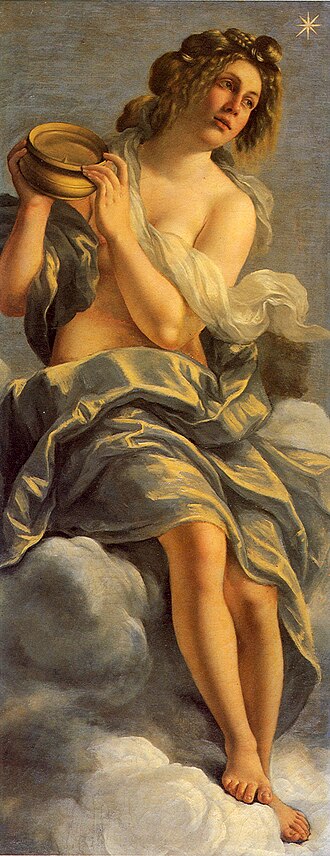 Allegory of Inclination - Artemisia Gentileschi (1615)
 Danaë - Artemisia Gentileschi (1612)
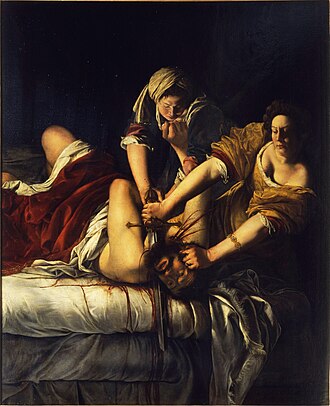 Judith Beheading Holofernes - Artemisia Gentileschi (1620)
 Esther before Ahasuerus - Artemisia Gentileschi (1620s)
Paintings by related artists
 Supper at Emmaus - Caravaggio (1601)
 The Calling of Saint Matthew - Caravaggio (1609)
 Las Meninas - Diego Velázquez (1656)
 The Surrender of Brea - Diego Velázquez (1635)
 Saint Francis in Meditation - Francisco de Zurbarán (1639)
 The Immaculate Conception - Francisco de Zurbarán (1661)
 Charles I in Three Positions - Anthony van Dyck (1635)
 Charles I (1600-1649) with M. de St Antoine - Anthony van Dyck (1636)
 The Elevation of the Cross - Peter Paul Rubens (1609)
 The Rape of the Daughters of Leucippus - Peter Paul Rubens (1618)
 The Night Watch - Rembrandt van Rijn (1642)
 Self-Portrait - Rembrandt van Rijn (1659)