The Separation of the Earth and Waters
ミケランジェロ・ブオナローティ · 1511
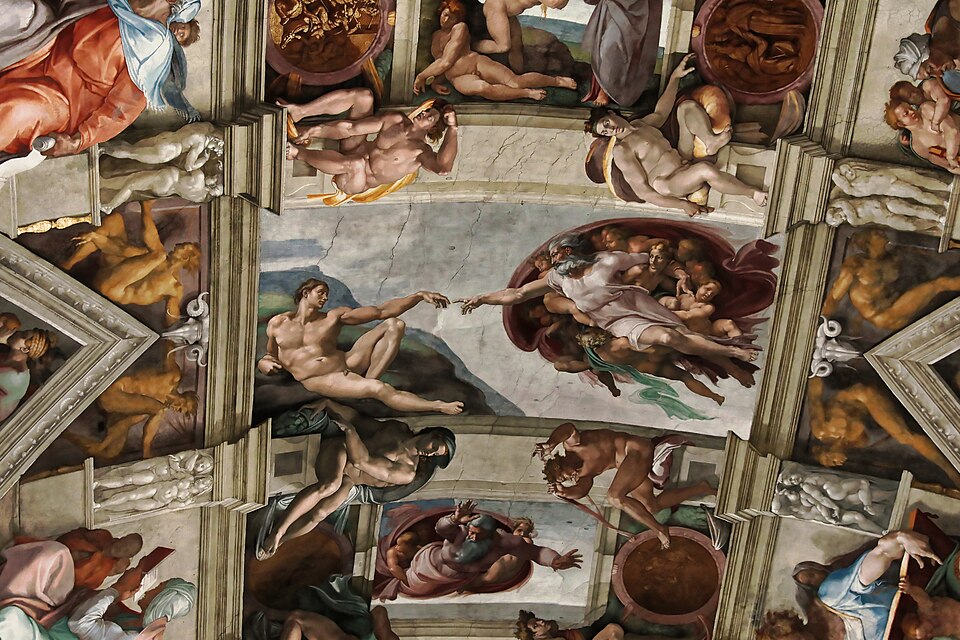
God rushes toward us over a grey-blue sea, arms flung wide, wrapped in a great pink-violet mantle. In a single sweeping figure, Michelangelo painted the moment the waters are gathered and dry land appears.
The story behind the painting
The Separation of the Earth and the Waters is a fresco of about 155 by 270 cm on the Sistine Chapel ceiling, commissioned by Pope Julius II. The source dates it to around 1511 to 1512, more precisely to the second phase of work, from October 1511 to October 1512, while Wikidata gives 1511. Michelangelo painted the vault in two halves because the scaffolding covered only half the chapel at a time. For this scene the figures were transferred from the cartoon by direct incision, a method chosen for speed that is also found in the nearby lunettes. The pairs of Ignudi around it were painted before the main scene rather than after, a change usually linked to the departure of his assistants.
What to look for
God floats above the grey-blue expanse of the waters, with angels gathered behind his open, haloed mantle, which recalls the almond-shaped glory of medieval art. The sky behind him is clear and luminous. His body comes at the viewer in strong foreshortening, as if arriving from the left, arms spread in a commanding gesture while his eyes stay fixed on what he creates. Giorgio Vasari described the illusion: as you walk around the chapel the figure seems to turn continually in every direction. The palette is restrained, violet and cool whites, blues and greys, with only the blond hair of two cherubs standing out. Up close the brushwork is rough and hatched, like marks left by a toothed chisel in sculpture.
Meaning and intent
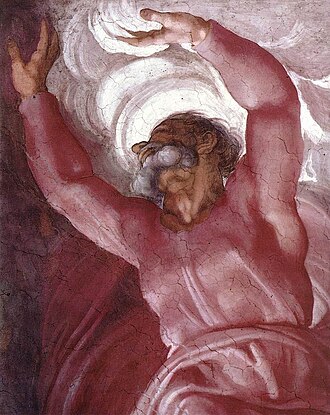
This is one of three Creation scenes at the altar end, with The Separation of Light from Darkness and The Creation of the Stars and Plants. In Genesis this event should come second, but Michelangelo gave a larger panel to the creation of the stars and plants, breaking the sequence. In all three the Creator dominates, flying over boundless space. Some saw the Trinity in their unity, but the source finds it more likely they follow Saint Augustine, standing for the Church's work in the world, the second coming of Christ and the Last Judgment. Violet was the colour of priestly vestments during Lent and Advent, two of the most important seasons celebrated by the papal court in this chapel.
Legacy
In the later bays, the Ignudi grow larger and more restless, spilling into neighbouring spaces, with poses tuned to be seen from the central axis looking toward the altar, as in papal processions. Here one pair bends backwards; the right figure, veiled and melancholy, has a red chalk preparatory drawing in the Teyler Museum in Haarlem. The other pair is more agitated, one rising with an anxious look toward the viewer, the other swaying with limbs that recall Hellenistic dancing fauns. Of the two medallions, one is empty, and the other shows the death of Absalom, son of King David, caught by his hair in a tree and killed by Joab.
豆知識
- Painted between October 1511 and October 1512.
- One of three Creation scenes near the altar.
- Vasari praised how the figure seems to turn as you walk.
- A study for one Ignudo is in the Teyler Museum.
画家について
ミケランジェロ・ブオナローティ (1475-1564)
同じ画家の作品: ミケランジェロ・ブオナローティ
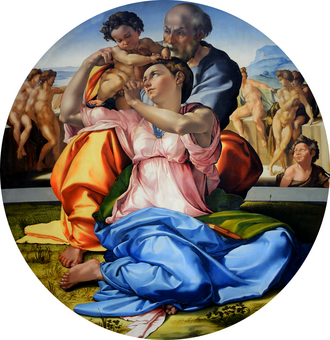 聖家族 - Michelangelo (1500s)
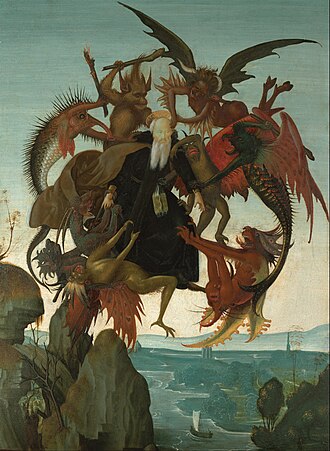 聖アンソニーの苦悩 - Michelangelo (1487)
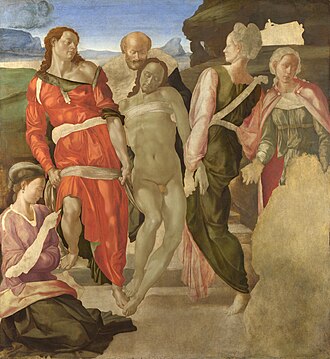 キリストの埋葬 - Michelangelo (1500s)
 レダと白鳥 - Michelangelo (1530)
 大洪水 - Michelangelo (1508)
 ノアの燔祭 - Michelangelo (1508)
 Separation of Light from Darkness - Michelangelo (1512)
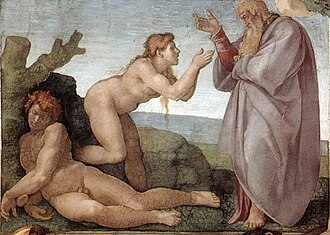 The Creation of Eve - Michelangelo (1511)
関連する画家の作品
.jpg) ウルビーノのヴィーナス - Titian (1538)
ウルビーノのヴィーナス - Titian (1538) 聖母被昇天 - Titian (1510s)
 システィーナの聖母 - Raphael (1510s)
.jpg) ラ・フォルナリーナ - Raphael
ラ・フォルナリーナ - Raphael モナ・リザ - Leonardo da Vinci (1503-1519)
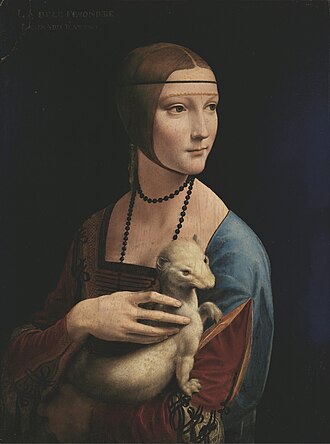 白貂を抱く貴婦人 - Leonardo da Vinci (1490)
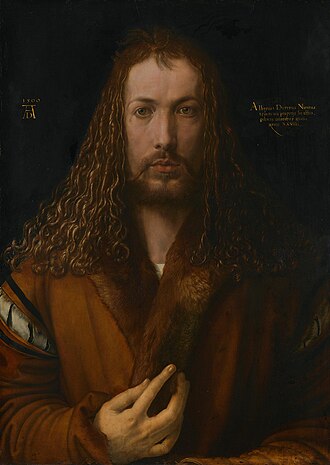 自画像 - Albrecht Dürer (1500)
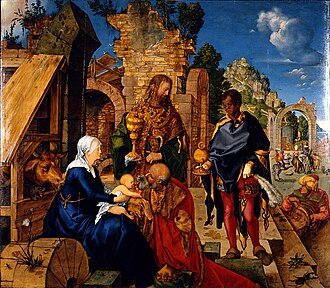 東方三博士の礼拝 - Albrecht Dürer (1504)
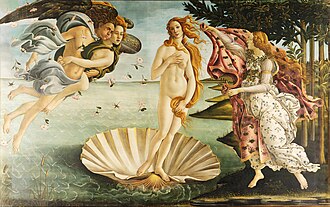 ヴィーナスの誕生 - Sandro Botticelli (c. 1485)
 プリマヴェーラ - Sandro Botticelli (1480s)
 快楽の園 - Hieronymus Bosch
 愚者の船 - Hieronymus Bosch (1500s)