平和の終焉
ジョン・エヴァレット・ミレー · 1856
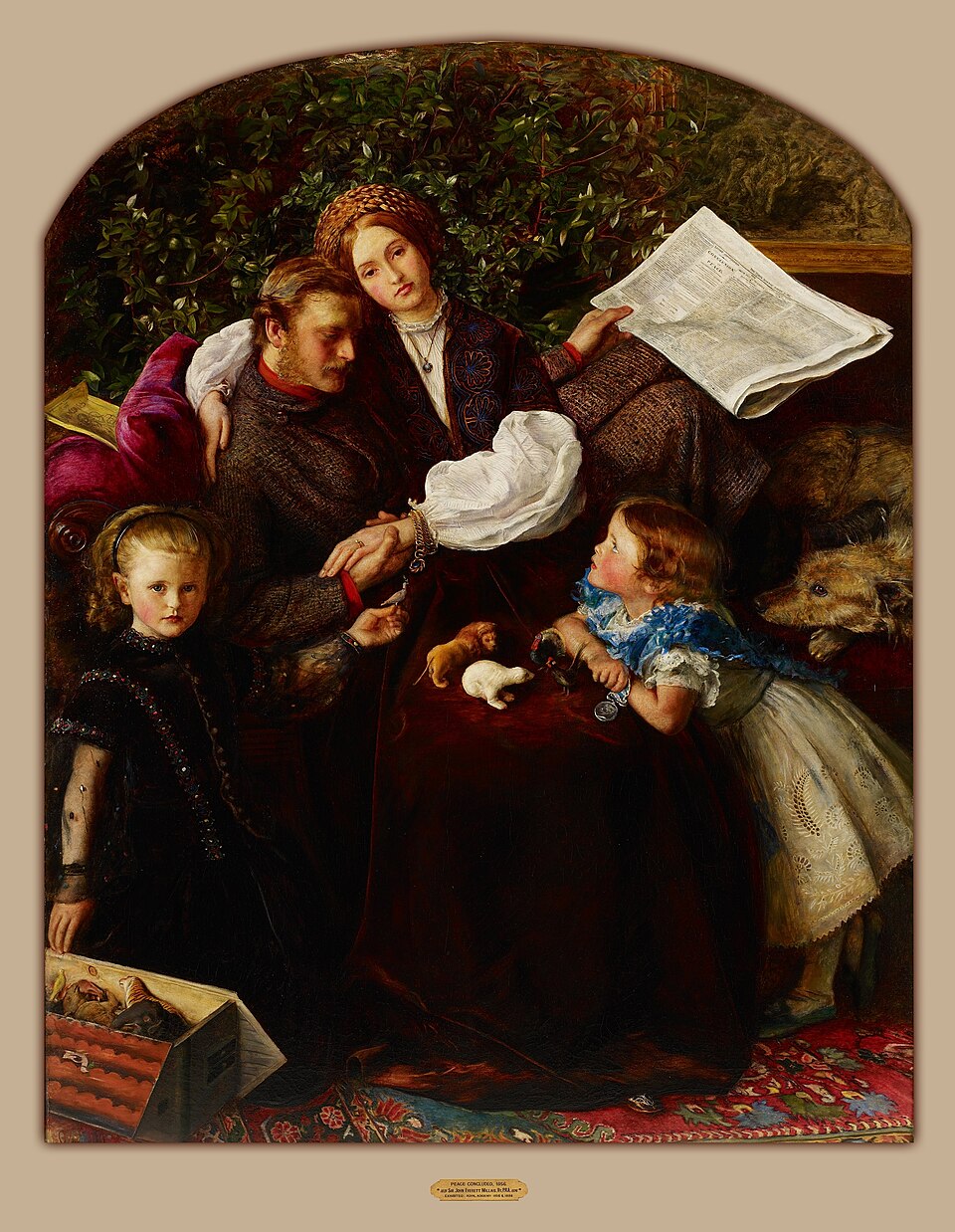
A wounded officer reads in The Times that the Crimean War is over, while his children play with a toy Noah's Ark at his wife's side. Ruskin said it would one day rank among the world's best masterpieces.
The story behind the painting
Millais painted Peace Concluded, 1856 in the year its title names. There is some evidence that he first meant it as satire: an attack on pampered officers allowed home for so-called urgent private affairs while ordinary soldiers lived in poor conditions in the Crimea. When the war ended, the joke seemed out of date, so he turned the picture into a wounded officer recovering at home. The central figure is a portrait of his wife Effie Gray, previously married to the critic John Ruskin, and the painting shares its date with the couple's first wedding anniversary.
What to look for
The officer lies with an Irish Wolfhound at his feet, his wife resting on the sofa and partly on his lap, a large myrtle bush, a traditional sign of marital fidelity, behind her head. He has set aside a yellow instalment of Thackeray's The Newcomes to read the newspaper. The children have opened a wooden Noah's Ark, and animals stand on their mother's lap: a Gallic rooster for France, a lion for Britain, a bear for Russia, a turkey for the Ottoman empire. The child at left holds a dove. On the right, a girl lifts her father's campaign medal and looks at him questioningly.
Meaning and intent
Every detail carries the war into the home. The rich red of the mother's dress makes a large patch under the toy animals, suggestive of blood. The dove means peace, and the girl's question about the medal hangs unanswered. On the wall is James Heath's print after Copley's The Death of Major Peirson, a British officer killed defending Jersey, Millais's family home, in 1781. Critics were puzzled by how close the couple sit, one even struggling to see where the wife is seated. That closeness may reflect Millais and Effie themselves, not the first time he put his own life into a painting.
Legacy
Shown at the Royal Academy in 1856, the picture had mixed reviews. Ruskin, Effie's former husband, strongly endorsed it, praising Millais's growing mastery of colour, which he compared to Titian, and predicting it would be recognised among the world's best masterpieces. Others were less impressed. One opponent of the Pre-Raphaelites wrote that the coats, hats and trousers had more vitality than the people, and some of Millais's Pre-Raphaelite colleagues also disliked it. The painting is now in the Minneapolis Institute of Art.
豆知識
- Shown at the Royal Academy in 1856.
- The wife is a portrait of Effie Gray, Millais's wife.
- Toy animals stand for France, Britain, Russia and the Ottoman empire.
- Now in the Minneapolis Institute of Art.
画家について
ジョン・エヴァレット・ミレー (1829-1896)
女性 · 男性 · 風俗美術 · 母 · ラファエル前派 · 少女 · ミネアポリス美術館 · 父
同じ画家の作品: ジョン・エヴァレット・ミレー
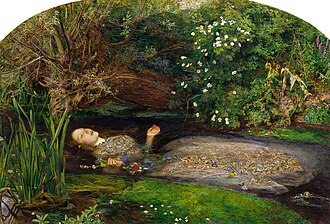 オフィーリア - John Everett Millais (1851)
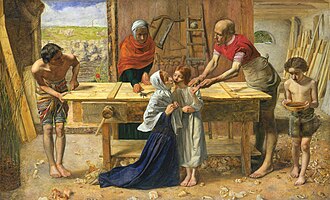 両親の家のキリスト - John Everett Millais (1849)
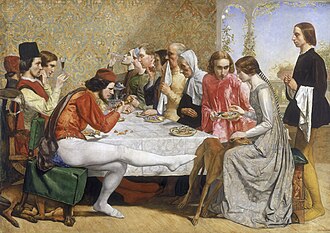 ロレンツォとイザベラ - John Everett Millais (1849)
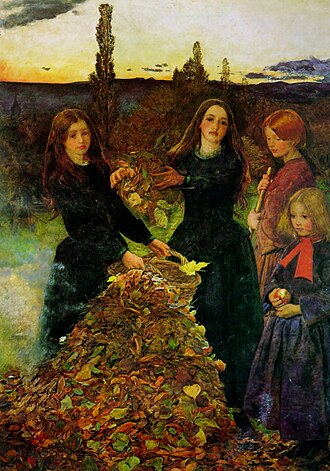 秋の落ち葉 - John Everett Millais (1856)
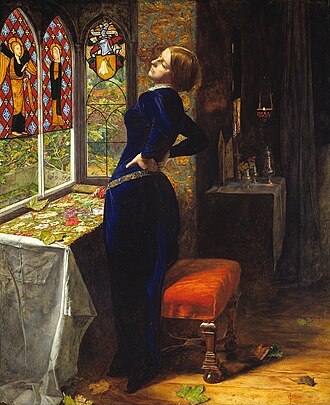 マリアナ - John Everett Millais (1851)
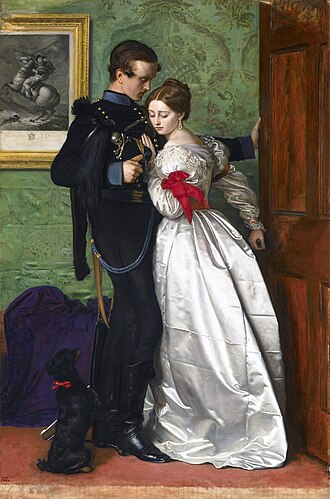 ブラック・ブランズウィッカー - John Everett Millais (1860)
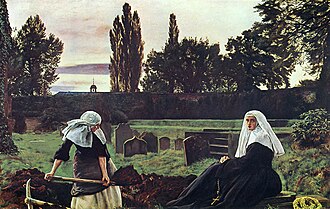 安息の谷 - John Everett Millais (1850s)
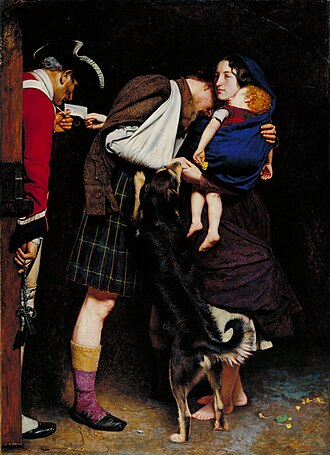 1746年の放免令 - John Everett Millais (1850s)
関連する画家の作品
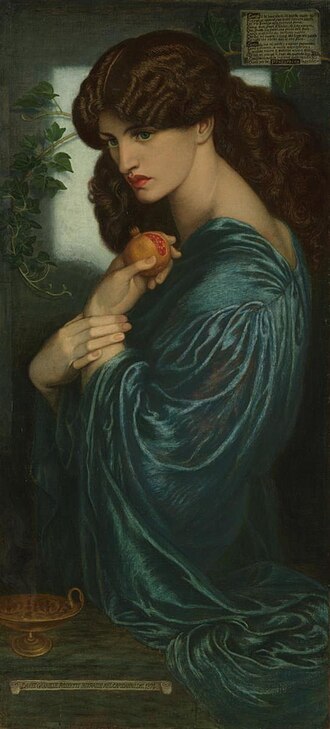 プロセルピナ - Dante Gabriel Rossetti (1874)
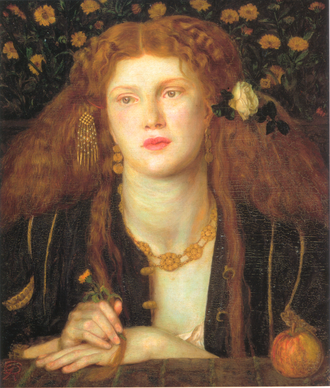 キスされた唇 - Dante Gabriel Rossetti (1859)
 ヒュラスとニンフたち - John William Waterhouse (1896)
 シャロットの女 - John William Waterhouse (1888)