Man in Armour
Rembrandt van Rijn · 1655
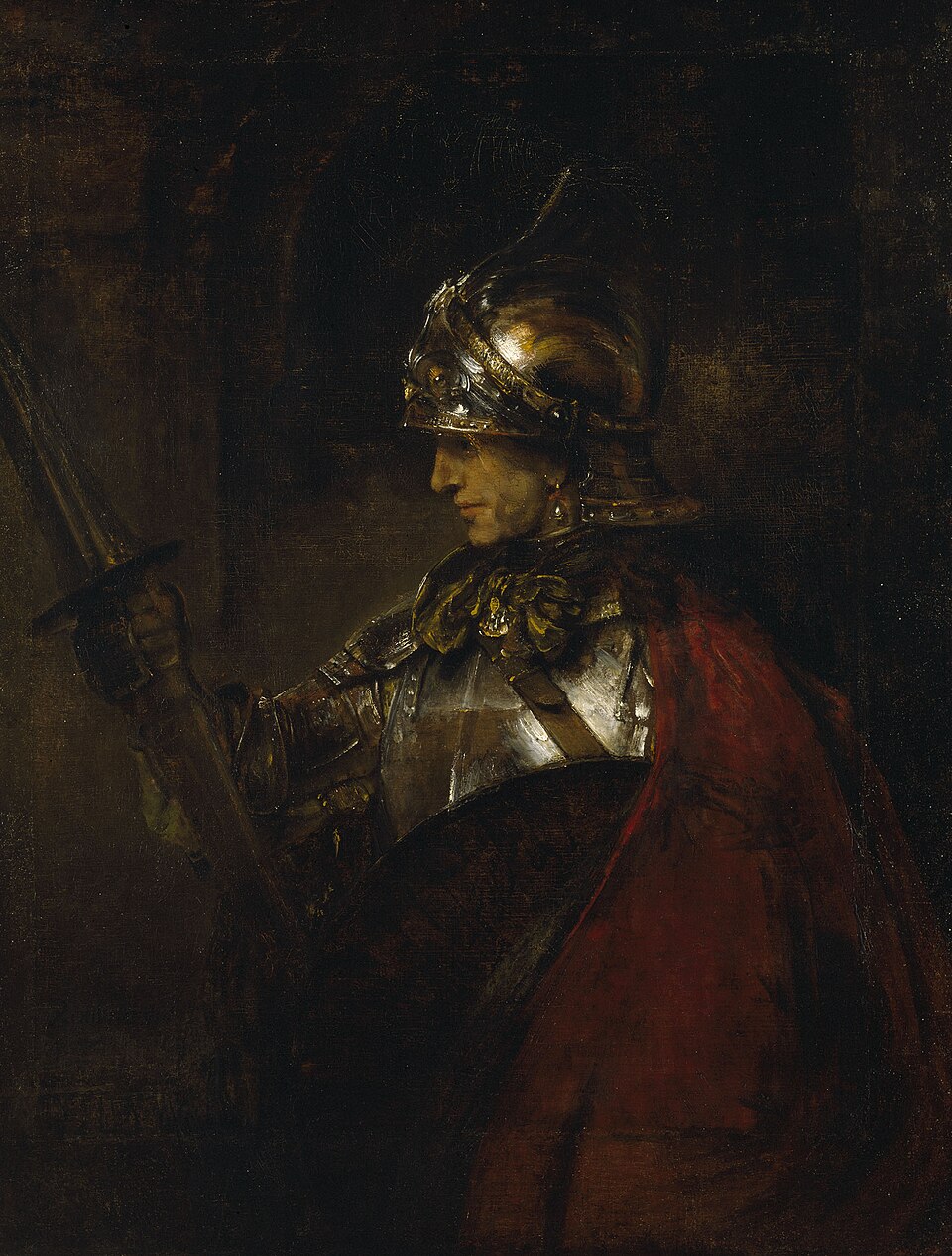
A young man in an owl-crested helmet seems almost crushed by the weight of his armour and red cloak, lost in thought. Is he Alexander the Great, Mars, or even Athena? Scholars still disagree.
The story behind the painting
Man in Armour, sometimes called Alexander the Great, is an oil on canvas by Rembrandt, generally dated around 1655, in the last period of his life. The art historian Christopher Brown argued that it is the Alexander the Great painted for the Sicilian collector Antonio Ruffo, for whom Rembrandt had painted Aristotle with a Bust of Homer in 1653. Since the canvas is made of several pieces sewn together, Brown suggested Rembrandt enlarged it in 1661 at Ruffo's request. Jeroen Giltaij rejects this: Ruffo's Alexander is recorded in his collection in 1873, while the Glasgow picture was in Britain by 1764.
What to look for
The young man is seen in profile, down to the waist. His helmet bears an embossed owl, a pearl hangs from his ear, and he wears metal armour. On his left side a red cloak covers a round shield, and his gloved hand holds a lance. A stone arch is partly visible behind. The helmet is imaginary, mixing a contemporary neck guard with an antique crest and brow plate. Rembrandt suggests the details so they blend into the whole, in a manner recalling The Night Watch. The canvas measures about 137.5 by 104.5 cm.
Meaning and intent
The archaic equipment suggests Rembrandt wanted to place his subject in the past. The figure has been read as Achilles, Mars or Apollo, and even as a woman representing Pallas Athena, which would explain the owl. The most likely reading remains Alexander the Great, the owl referring to his devotion to Athena, even if this is not the Ruffo commission. Rembrandt painted a stylistically close Pallas Athena around 1655, now in Lisbon.
Legacy
From 1764 to 1790 the painting belonged to the British portraitist Joshua Reynolds. It then passed to George Greville, 2nd Earl of Warwick, and to the painter John Graham-Gilbert and his wife Jane, who bequeathed it to the Kelvingrove Art Gallery and Museum in Glasgow on her death in 1877. The painting thus spent more than a century in British collections before reaching Glasgow, where it remains, while the debate over Alexander continues.
豆知識
- Painted around 1655, late in Rembrandt's life.
- Possibly the Alexander painted for Antonio Ruffo, a view disputed.
- Owned by Joshua Reynolds from 1764 to 1790.
- Bequeathed to Kelvingrove, Glasgow, in 1877.
画家について
Rembrandt van Rijn (1606-1669)
同じ画家の作品: Rembrandt van Rijn
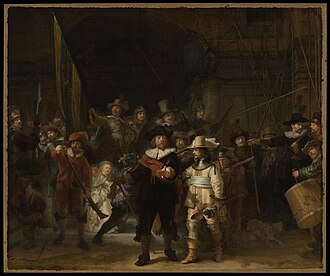 夜警 - Rembrandt van Rijn (1642)
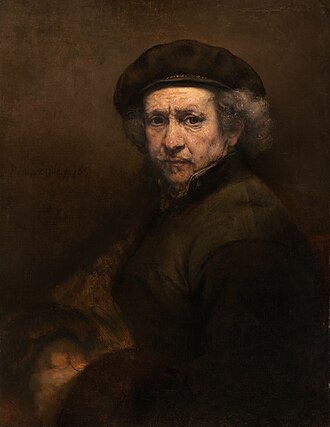 自画像 - Rembrandt van Rijn (1659)
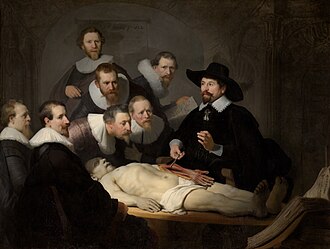 テュルプ博士の解剖学講義 - Rembrandt van Rijn (1632)
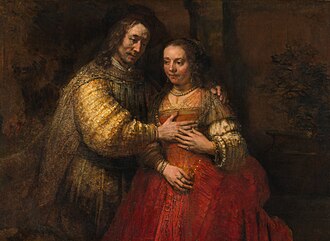 ユダヤの花嫁 - Rembrandt van Rijn (1660s)
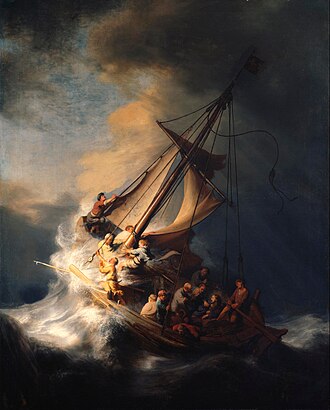 ガラリアの海の嵐 - Rembrandt van Rijn (1633)
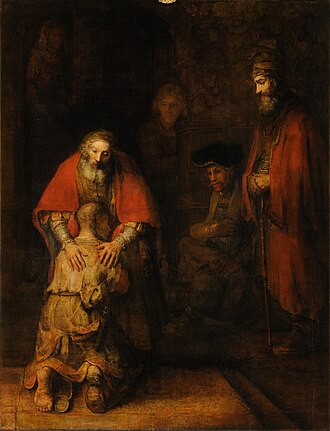 放蕩息子の帰還 - Rembrandt van Rijn (1668)
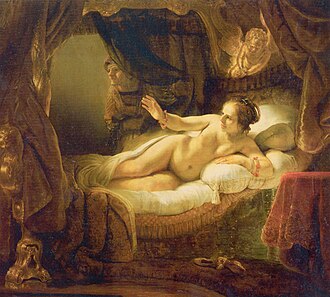 ダナエ - Rembrandt van Rijn (1636)
 ベルシャザルの酒宴 - Rembrandt van Rijn (1636)
 真珠の耳飾りの少女
 牛乳を注ぐ女