El Jaleo
John Singer Sargent · 1882
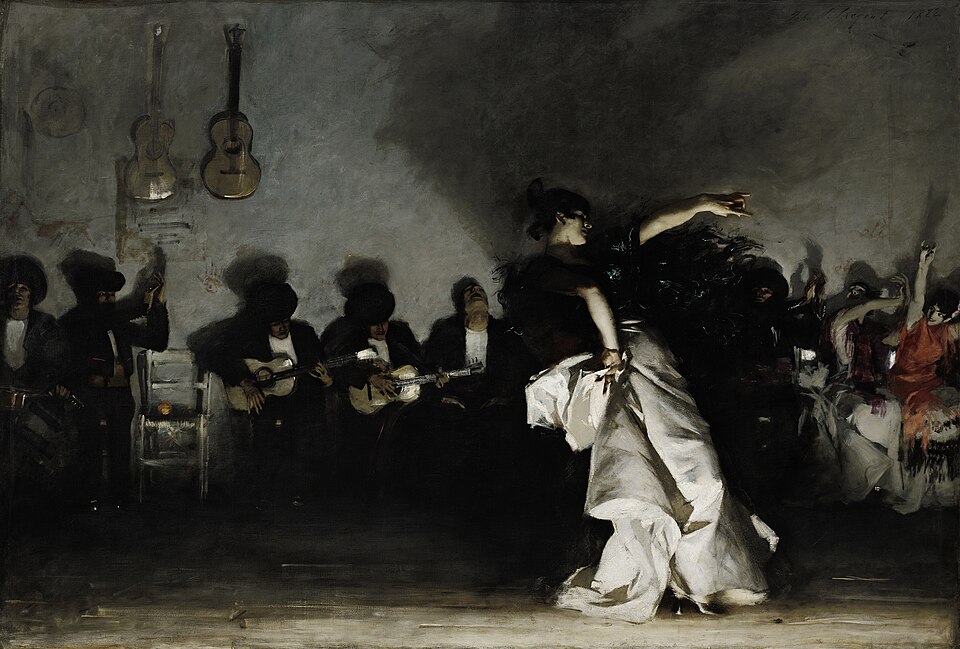
A dancer in a shining white skirt sweeps across a dark stage while musicians clap and shout behind her, and her shadow leaps up the wall. Sargent's El Jaleo made him the most talked-about painter in Paris.
The story behind the painting
The painting grew out of a five-month trip Sargent made through Spain and North Africa in 1879, which also produced a smaller oil, The Spanish Dance. Struck by the costumes and theatrical manner of Romani dance, he returned to Paris and began a canvas whose scale suggested a stage, about 232 by 348 cm. He planned it for at least a year through many studies of the dancer's posture, yet the final painting, handled with quick assurance, may have taken only a few days. The name refers both to jaleo as a ruckus and to the dance called jaleo de jerez.
What to look for
The palette is nearly monochrome, except for spots of red on the right and an orange on the left that recalls the lemons Manet placed in his large canvases. Rich blacks meet the dancer's white skirt, caught in strong footlights and painted briskly to suggest movement. The light throws long, eerie shadows across the back wall, which takes up nearly half the picture. The dancer leans asymmetrically, moving from left to right, an embroidered shawl around her shoulders, her left arm outstretched in standard flamenco style. Nothing separates you from her: it feels like being there.
Meaning and intent
El Jaleo is the most theatrical of Sargent's early major works, using space and light to carry the rhythm, sound and movement of the dance. It belongs to Hispanism, the wide fascination with Spanish culture in Europe and America in the 19th and early 20th centuries. It has been called both an example of Sargent's Impressionism and of his early affinity with Realism. At the 1882 Salon, some critics said it placed him among the French Impressionists, while a critic for Le Figaro called it one of the most original and strongest works there; others dismissed it as a whim.
Legacy
Thomas Jefferson Coolidge of Boston bought it at the 1882 Salon, Sargent's last subject picture there and his greatest success. Isabella Stewart Gardner admired it in Boston in 1888; in 1914 she borrowed it and built the Spanish Cloister of her museum especially for it, framed by a Moorish arch, with a long mirror beside it. Coolidge then gave it to her, and Sargent gave her an album of his preparatory drawings. In 1992, freshly cleaned, it left the museum for the first time since 1914 for a short stay at the National Gallery of Art in Washington. The film The Alamo recreated the scene in 1960.
Lo sapevi?
- Inspired by Sargent's 1879 journey through Spain and North Africa.
- Shown at the Paris Salon of 1882 to great acclaim.
- Isabella Stewart Gardner built the Spanish Cloister for it.
- In the Isabella Stewart Gardner Museum, Boston.
L'artista
John Singer Sargent (1856-1925)
genre art · guitar · Isabella Stewart Gardner Museum · shadow
Altre opere di John Singer Sargent
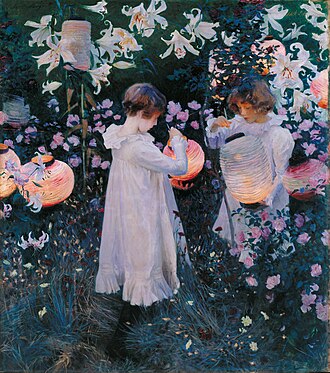 Carnation, Lily, Lily, Rose - John Singer Sargent (1885-1886)
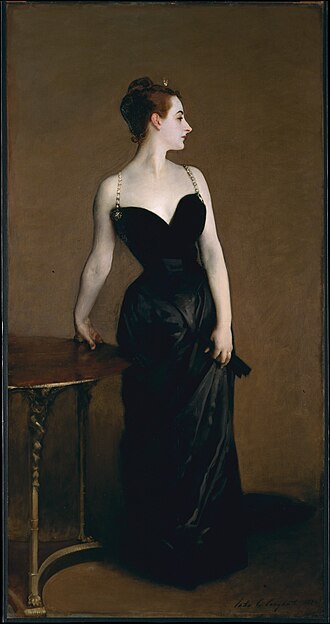 Madame X - John Singer Sargent (1884)
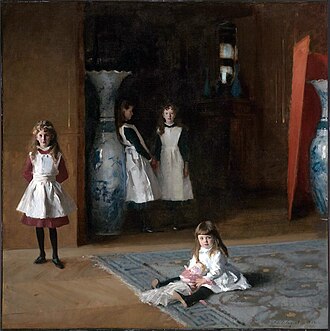 The Daughters of Edward Darley Boit - John Singer Sargent (1882)
.jpg) Gassed - John Singer Sargent (1919)
Gassed - John Singer Sargent (1919).jpeg) Lady Agnew of Lochnaw - John Singer Sargent (1892)
Lady Agnew of Lochnaw - John Singer Sargent (1892).jpg) Street in Venice - John Singer Sargent (1882)
Street in Venice - John Singer Sargent (1882)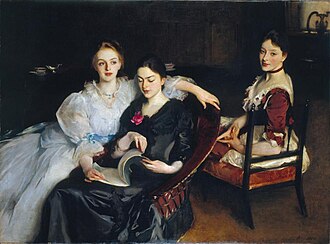 The Misses Vickers - John Singer Sargent (1884)
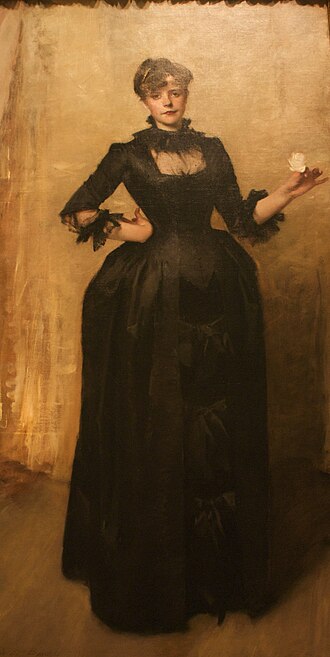 Lady with the Rose - John Singer Sargent (1882)
Dipinti di artisti collegati
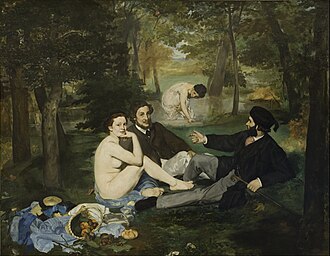 Luncheon on the Grass - Édouard Manet (1863)
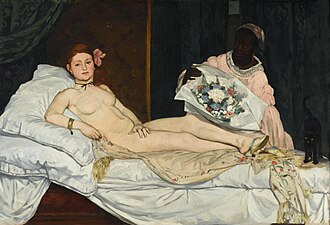 Olympia - Édouard Manet (1863)
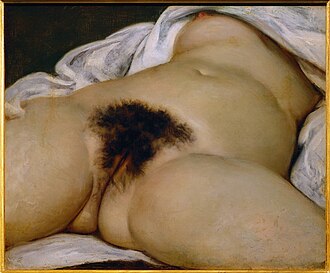 L'Origine du monde - Gustave Courbet (1866)
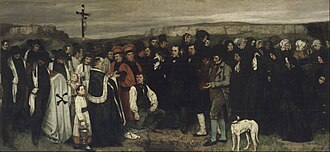 A Burial at Ornans - Gustave Courbet (2020)
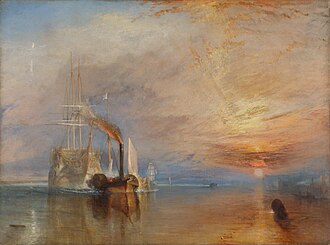 The Fighting Temeraire - J. M. W. Turner (1839)
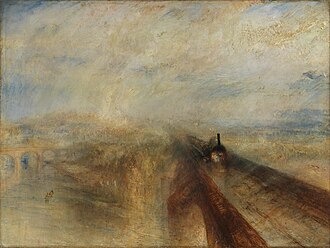 Rain, Steam and Speed - The Great Western Railway - J. M. W. Turner (1844)
 The Oath of the Horatii - Jacques-Louis David (1784)
.jpg) The Intervention of the Sabine Women - Jacques-Louis David (1799)
The Intervention of the Sabine Women - Jacques-Louis David (1799)