Renaissance allemande
The German Renaissance brought Italian ideas north of the Alps and mixed them with a sharp, detailed German eye.
Albrecht Dürer · Lucas Cranach the Elder
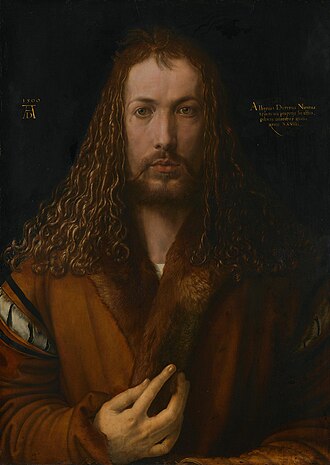 Autoportrait - Albrecht Dürer (1500)
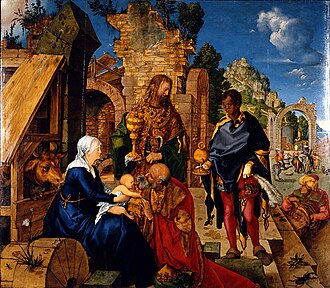 Adoration des mages - Albrecht Dürer (1504)
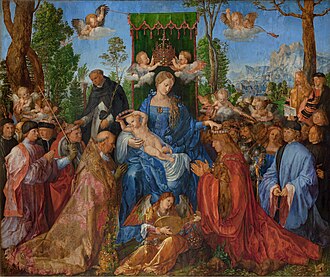 La Vierge de la fête du rosaire - Albrecht Dürer (1506)
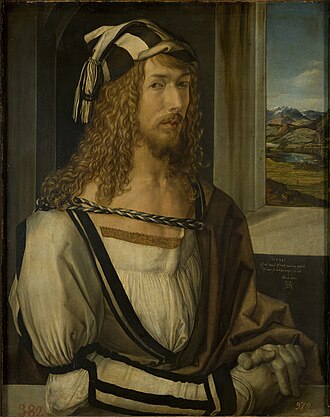 Autoportrait à 26 ans - Albrecht Dürer (1498)
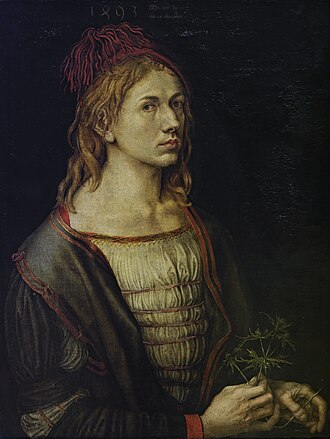 Portrait de l'artiste tenant un chardon - Albrecht Dürer (1493)
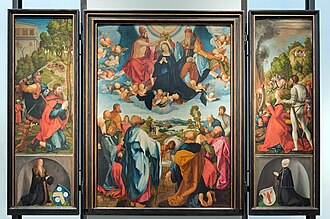 retable Heller - Albrecht Dürer (1500s)
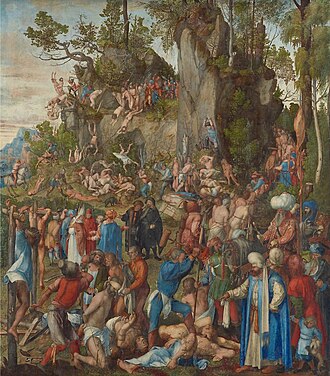 retable des dix mille martyrs - Albrecht Dürer (1508)
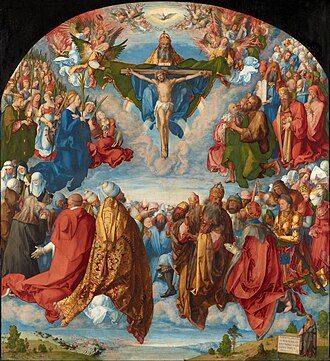 L'Adoration de la Sainte Trinité - Albrecht Dürer (1511)
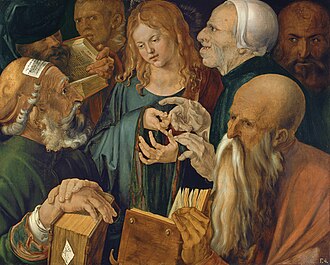 Jésus parmi les docteurs - Albrecht Dürer (1506)
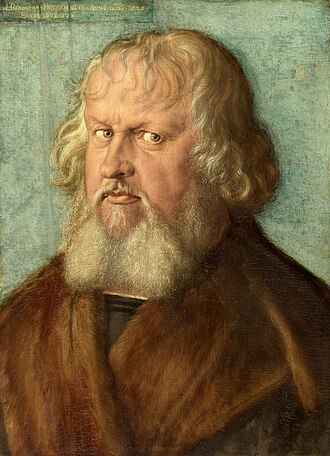 Hieronymus Holzschuher - Albrecht Dürer (1526)
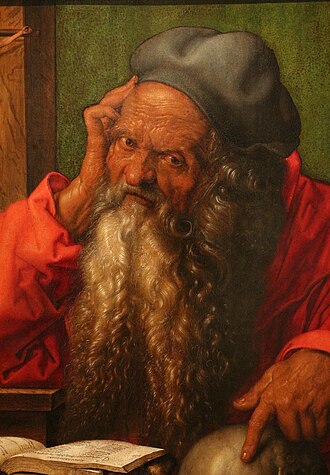 Saint Jérôme dans son étude - Albrecht Dürer (1521)
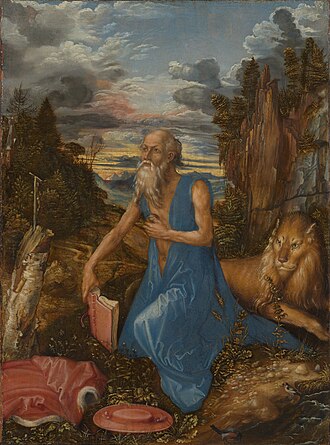 Saint Jérôme dans le désert - Albrecht Dürer (1496)
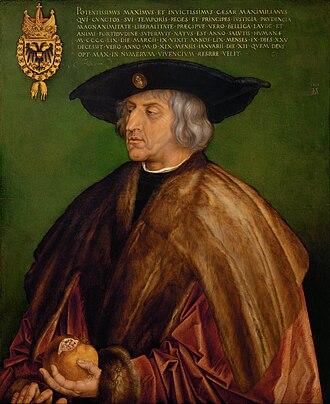 Portrait de l'empereur Maximilien Ier - Albrecht Dürer (1519)
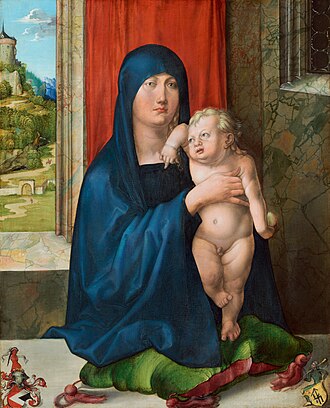 Vierge à l'Enfant - Albrecht Dürer (1490s)
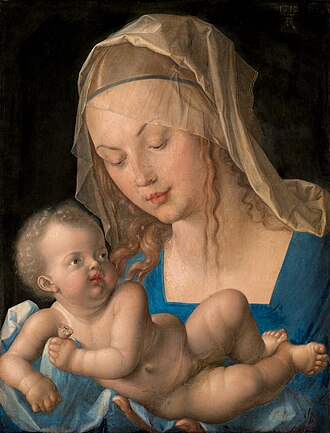 Vierge à l'enfant - Albrecht Dürer (1512)
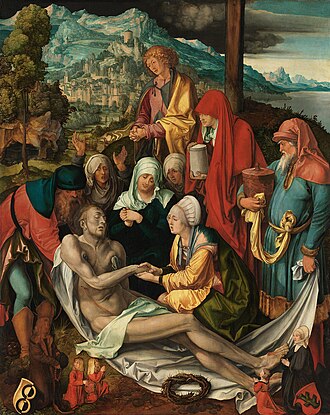 Déploration du Christ - Albrecht Dürer (1500)
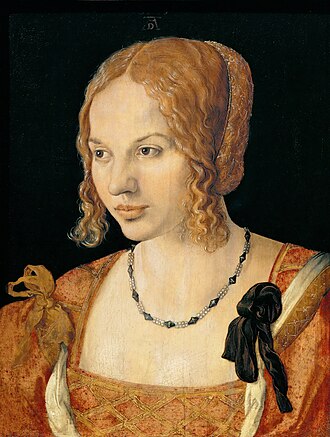 Jeune femme vénitienne - Albrecht Dürer (1505)
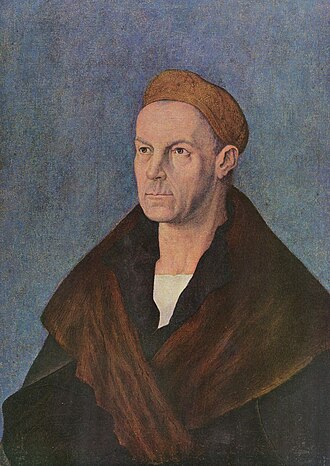 Jakob Fugger - Albrecht Dürer (1520)
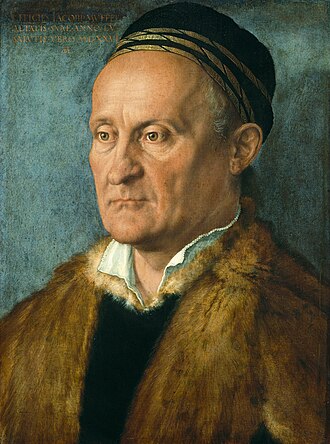 Jakob Muffel - Albrecht Dürer (1526)
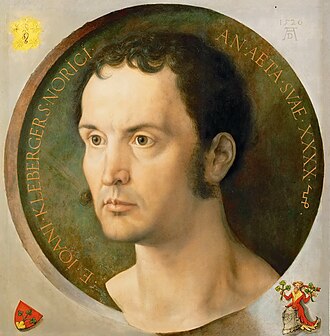 Portrait de Johann Kleberger - Albrecht Dürer (1526)
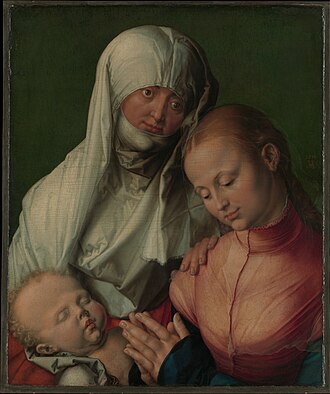 La Vierge, l'Enfant Jésus et Sainte Anne - Albrecht Dürer (1519)
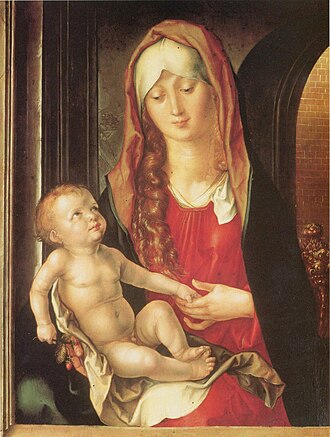 Vierge à l'enfant - Albrecht Dürer (1490s)
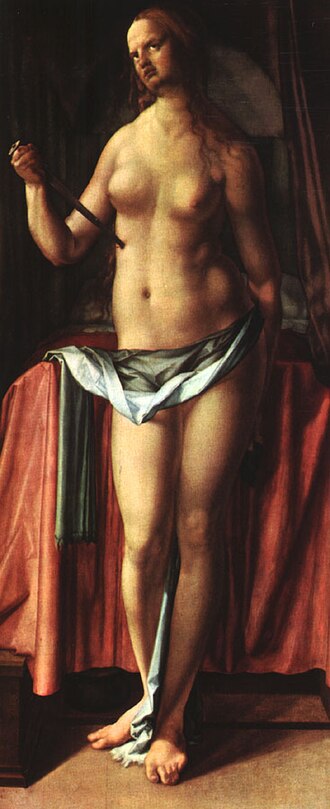 Le Suicide de Lucrèce - Albrecht Dürer (1518)
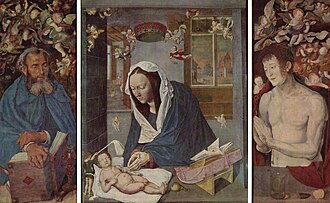 retable de Dresde - Albrecht Dürer (1496)
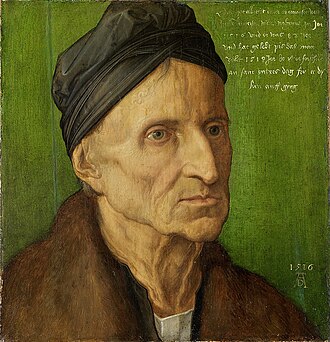 Portrait de Michael Wolgemut - Albrecht Dürer (1516)
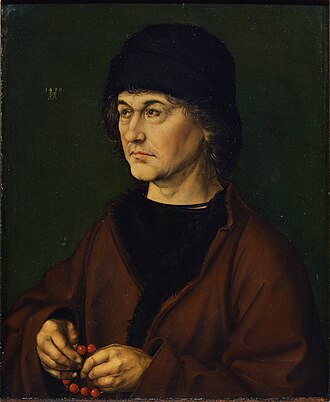 Portrait du père de l'artiste - Albrecht Dürer (1490)
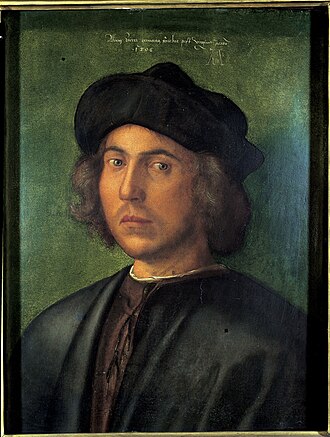 Portrait d'un jeune Vénitien - Albrecht Dürer (1506)
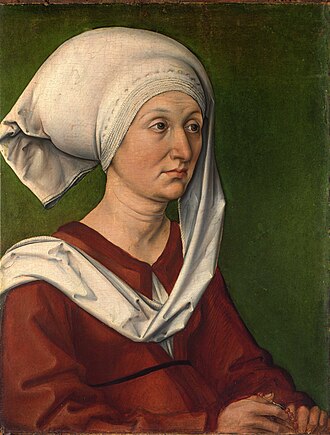 Barbara Holper - Albrecht Dürer (1490)
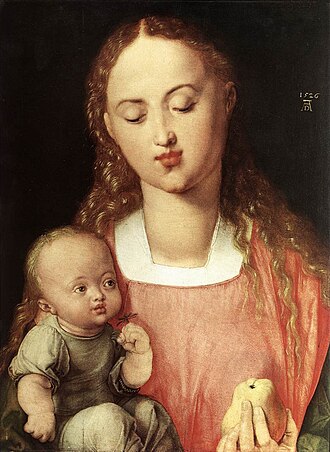 Vierge à la poire - Albrecht Dürer (1526)
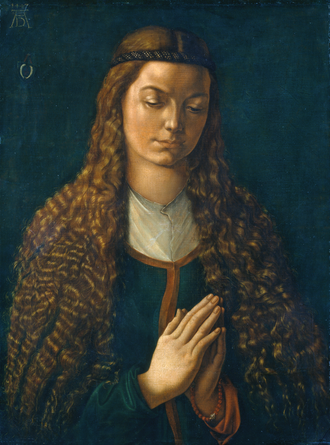 Jeune femme, les cheveux flottants - Albrecht Dürer (1497)
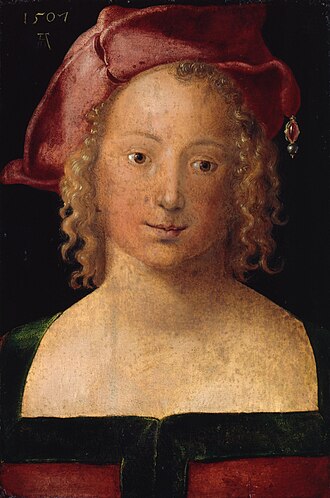 Jeune femme au béret rouge - Albrecht Dürer (1507)
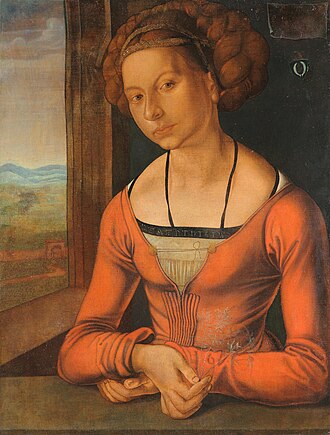 Jeune femme, les cheveux tressés - Albrecht Dürer (1497)
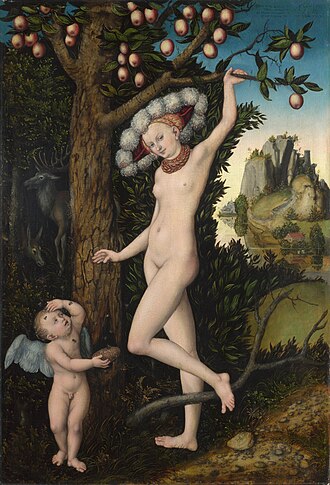 Vénus avec Cupidon le voleur de miel - Lucas Cranach the Elder (1520s)
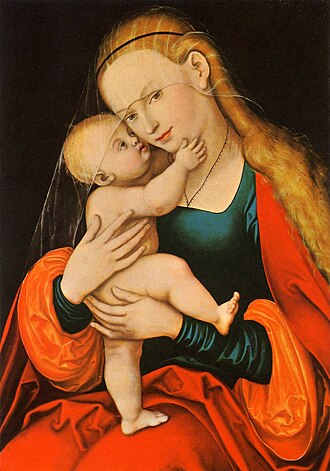 Vierge du Bon-Secours - Lucas Cranach the Elder (1517)
Envie d'en savoir plus sur Renaissance allemande ?
The German Renaissance brought Italian ideas north of the Alps and mixed them with a sharp, detailed German eye. In the age of printing and the Reformation, Albrecht Dürer, Lucas Cranach and Hans Holbein the Younger made prints, portraits and altarpieces that are still among the most precise and personal images in European art.
What is the German Renaissance, in simple words?
It was the cultural and artistic movement that spread among German thinkers and artists in the 15th and 16th centuries, developing from the Italian Renaissance. It is part of the wider Northern Renaissance. Renaissance humanism reached the many German states and principalities, and there were advances in architecture, the arts and the sciences. Germany also produced two developments that dominated 16th century Europe: printing and the Protestant Reformation.
Why was Germany a good place for it?
At the start of the 16th century, the lands of the Holy Roman Empire were among the most prosperous in Europe, even though fewer people lived in towns than in Italy or the Netherlands. Wealth came from metalwork, mining, banking and textiles. Above all, book printing developed in Germany, and German printers dominated the new book trade in most other countries until well into the 16th century.
Why were prints so important?
Printmaking by woodcut and engraving was already more developed in Germany and the Low Countries than anywhere else, and Germans led the way in book illustration, with woodblocks often lent to printers in other cities. Albrecht Dürer trained in the Nuremberg workshop of Michael Wolgemut, which had turned largely to this new medium. Dürer's energetic, balanced woodcuts and engravings made him famous across Europe.
Who was Albrecht Dürer?
Dürer is the most significant German Renaissance artist, known for prints, drawings and painted portraits. After his apprenticeship ended in 1490 he travelled in Germany for four years and in Italy for a few months, then set up his own workshop in Nuremberg. His work keeps a German character but shows strong Italian influence, and it is often taken to mark the start of the German Renaissance in visual art.
How did the Reformation change German art?
Dürer supported Martin Luther but still painted Madonnas and portraits of leaders on both sides. After his death in 1528, his successors had to take sides, and most became Protestants. That cut them off from religious commissions, their main income. Lucas Cranach the Elder, a close friend of Luther, painted "Lutheran altarpieces", but religious works for public display almost stopped in Protestant areas, and by about 1550 German art had largely stalled.
What did Lucas Cranach paint?
Besides Lutheran altarpieces, Cranach was a busy portraitist and helped fill the gap left by the loss of church commissions. He developed a format of thin, vertical pictures of provocative nudes given classical or Biblical titles. On this site you can see examples such as Venus and Cupid with a Honeycomb, Adam and Eve, The Fountain of Youth and Law and Grace, as well as many of his portraits.
Who was Hans Holbein the Younger?
Holbein the Younger was an important portrait painter who also made a few religious works, working mainly in England and Switzerland. His father, Hans Holbein the Elder, had been a pioneer in moving German art from the Gothic to the Renaissance style. The son is also known for a series of small woodcuts on the Dance of Death. His portraits on this site include Henry VIII, Thomas Cromwell and The Merchant Georg Gisze.
What about Grünewald and the Danube School?
Matthias Grünewald left very few works, but his Isenheim Altarpiece, finished in 1515, is widely seen as the greatest German Renaissance painting. It is intensely emotional, keeping the Gothic tradition of unrestrained gesture inside Renaissance composition. The Danube School, a circle in Bavaria and Austria led by Albrecht Altdorfer, produced the first independent landscape art in the West, in both paintings and prints.
Why does it still look partly Gothic?
Elaborate Gothic ornament stayed in use in Germany until well into the 16th century, even in works that are clearly Renaissance in how they treat the human figure. Classical ornament had little historical meaning in much of Germany. Woodcarvers such as Tilman Riemenschneider and Veit Stoss, contemporaries of Dürer, show this mix: their compositions follow Renaissance principles while their ornament often remains Gothic.
Which works should I see first?
Begin on this site with Dürer: his Self-Portrait with Fur-Trimmed Robe, the Feast of the Rosary, the Adoration of the Trinity and the Portrait of Jakob Fugger the Rich. Then look at Holbein's Portrait of Henry VIII and The Body of the Dead Christ in the Tomb, and Cranach's Venus and Cupid with a Honeycomb. Together they show the precise detail, strong portraits and northern spirit of the movement.