Madonna with Partridges
Anthony van Dyck · 1632
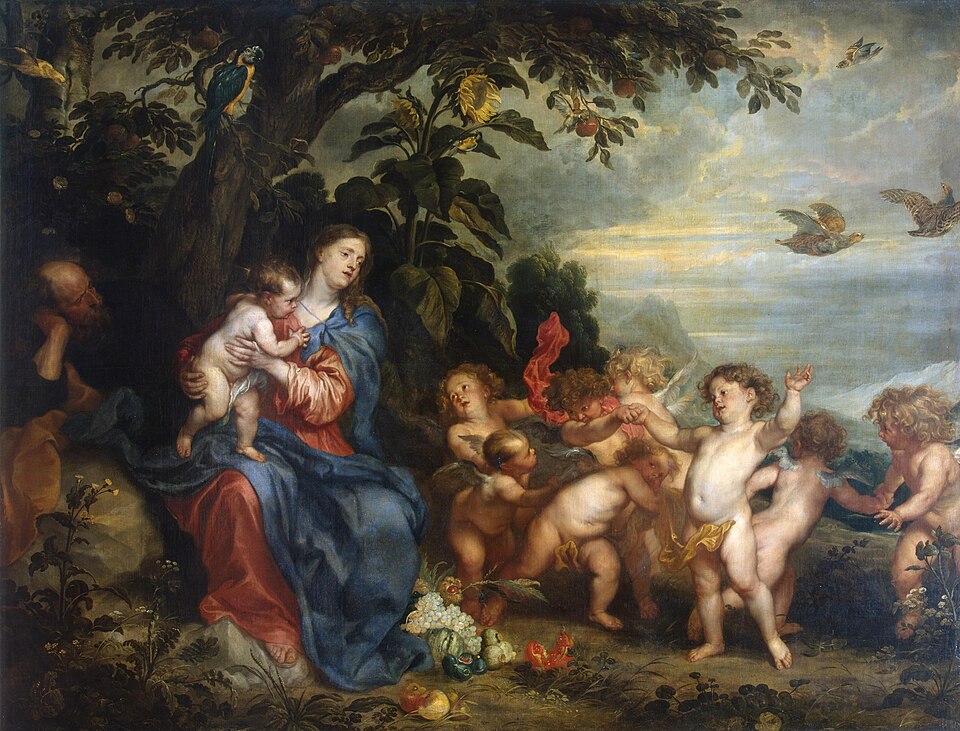
Resting on the flight into Egypt, the Holy Family sits under trees while partridges fly away overhead. Every bird and flower in van Dyck's painting was requested by its patrons, and a line of Pushkin may point back to it.
The story behind the painting
Madonna with Partridges, also called Rest on the Flight into Egypt, is an oil on canvas painted in 1632 by Anthony van Dyck, with the animals painted by Paul de Vos. Like his 1630 treatment of the same subject, it draws on a medieval legend based on the Gospel of Matthew 2:13, where Joseph is warned to flee to Egypt, and on chapter 20 of Pseudo-Matthew. It was commissioned by the Sodality of Bachelors in Antwerp, a fraternity devoted to the Virgin Mary and led by the Jesuits. The patrons made several very specific requests about the allegories that had to appear in the work.
What to look for
Look for the symbols the fraternity asked for. A sunflower rises above Mary, and a parrot sits on a branch to her left. The partridges that give the painting its name are in flight. A pomegranate lies at her feet. An apple tree grows behind the Holy Family, and white roses and a lily appear behind the tree. These details were not free choices of the painter but part of the commission, so the picture can be read item by item, like a carefully composed prayer. The animals and birds, in particular, are the work of Paul de Vos, a specialist who worked alongside van Dyck.
Meaning and intent
Each element praises Mary. The sunflower and the parrot allude to her divine nature as the Immaculate Virgin. The partridges were a symbol of debauchery in Cesare Ripa's Iconologia, so their flight shows her purity putting all sinful things to flight. The pomegranate stands at once for resurrection, virginity and chastity. The apple tree symbolises Mary's part in overcoming original sin, and the white roses and lily, attributes of Mary, symbolise joy, love and beauty. A quiet pause on a dangerous journey becomes a full portrait of the virtues that the young men of the sodality were meant to honour.
Legacy
Catherine the Great bought the painting, with several other works by van Dyck and others, from the Walpole collection at Houghton Hall in 1779. It became one of the best known works by the artist in Russia by the time of Pushkin. In Eugene Onegin, Onegin tells his friend Lensky that Olga's features have no life, just like a Vandyke Madonna, round and red-faced like a stupid moon. The source adds a caution: it has not been proven whether this work or Raphael's Sistine Madonna is linked to Pushkin's separate poem Madonna. The painting is now in the Hermitage in Saint Petersburg.
Did you know?
- Painted in 1632, with animals by Paul de Vos.
- Commissioned by the Jesuit-led Sodality of Bachelors in Antwerp.
- Fleeing partridges show Mary's purity driving away sin.
- Bought by Catherine the Great in 1779; now in the Hermitage.
About the artist
Anthony van Dyck (1599-1641)
More by Anthony van Dyck
 Charles I in Three Positions - Anthony van Dyck (1635)
 Charles I (1600-1649) with M. de St Antoine - Anthony van Dyck (1636)
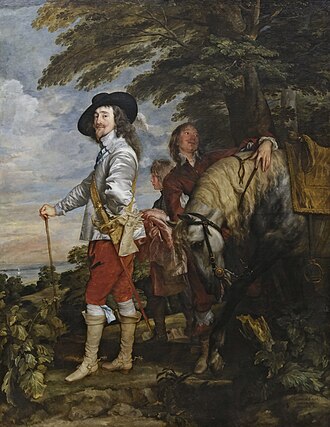 Charles I at the Hunt - Anthony van Dyck (1635)
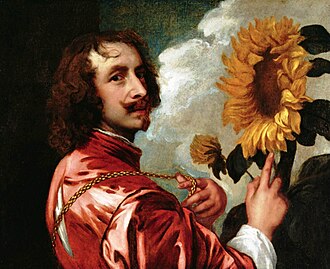 Self-portrait with a Sunflower - Anthony van Dyck (1632)
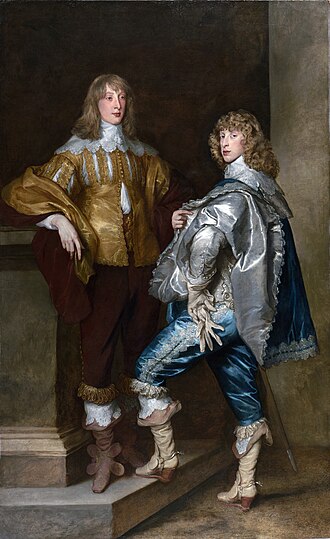 Lord John Stuart and His Brother, Lord Bernard Stuart - Anthony van Dyck (1638)
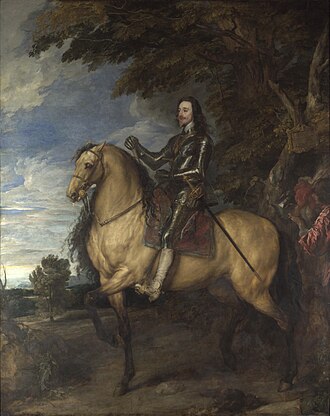 Equestrian Portrait of Charles I - Anthony van Dyck (1637)
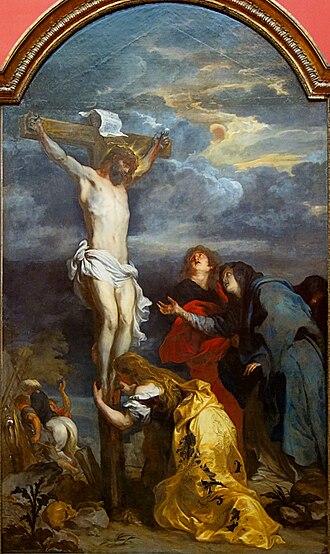 Crucifixion - Anthony van Dyck
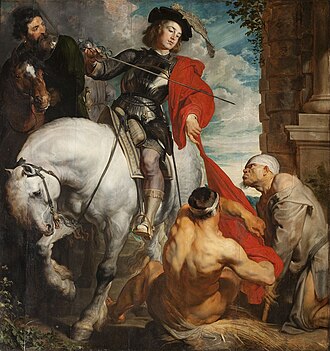 Saint Martin and the Beggar - Anthony van Dyck (1621)
Paintings by related artists
 Supper at Emmaus - Caravaggio (1601)
 The Calling of Saint Matthew - Caravaggio (1609)
 Las Meninas - Diego Velázquez (1656)
 The Surrender of Brea - Diego Velázquez (1635)
 Saint Francis in Meditation - Francisco de Zurbarán (1639)
 The Immaculate Conception - Francisco de Zurbarán (1661)
 The Elevation of the Cross - Peter Paul Rubens (1609)
 The Rape of the Daughters of Leucippus - Peter Paul Rubens (1618)
 The Night Watch - Rembrandt van Rijn (1642)
 Self-Portrait - Rembrandt van Rijn (1659)
 A Militiaman Holding a Berkemeyer, Known as the ‘Merry Drinker’ - Frans Hals (1620s)
 Laughing Cavalier - Frans Hals (1624)