パリスの審判
ピーテル・パウル・ルーベンス · 1638
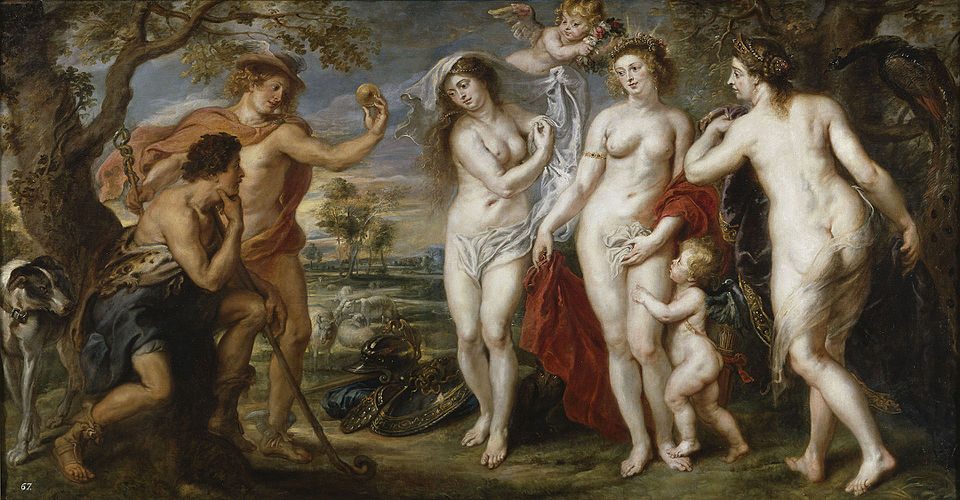
Three goddesses, one shepherd, one golden apple, and a little Cupid already flying in with the crown. Rubens painted this last version of the story while ill with gout, and a later king of Spain wanted it burned.
The story behind the painting
Rubens painted the Judgement of Paris several times over his career: a small early version is also in the Prado, and another is in the National Gallery in London. This one, generally considered among his last works, was painted around 1638 to 1639, when he was suffering from gout. It was commissioned by King Philip IV of Spain through his brother, the Cardinal-Infante Ferdinand of Austria, governor of the Netherlands, to decorate the now vanished Buen Retiro Palace in Madrid. The story goes that Ferdinand visited the studio and said it was among the best of Rubens's art, but the goddesses were too naked, and people said Venus was a portrait of the painter's wife.
What to look for
The format is very wide, 199 by 379 cm according to Wikipedia, while Wikidata gives 381 cm in width, so the figures unfold like a frieze. Paris the shepherd sits on a tree trunk, hesitating. Hermes, with his caduceus and winged hat, holds the golden apple. Before them stand the three goddesses: Athena on the left, her weapons on the ground, wrapped in a silvery silk veil; Aphrodite in the centre in a crimson cloth, with Cupid at her feet and a flying cherub about to crown her while glancing at us; and Hera seen from behind, letting slip a purple velvet mantle embroidered with gold, her peacock perched on a branch. Behind them, sheep graze in a calm twilight landscape.
Meaning and intent
The flying cherub gives away the verdict before Paris has spoken: Aphrodite will win. The source praises the composition, crossed by diagonals and opposed rhythms so that nothing feels stiff, and the beauty of the colour. Rubens insists on the nude, setting the pale skin of the goddesses against the darker skin of the men, and lavishes attention on details such as the shine of the weapons, the jewels and the different fabrics, each rendered faithfully. Each goddess carries her own attributes, so that the choice of the shepherd becomes a choice between wisdom and war, love, and royal power, painted in one wide, glowing scene.
Legacy
Its frankness nearly cost the painting its life. In the eighteenth century King Charles III ordered it burned as indecent, together with other nudes such as Durer's Adam and Eve. In the end the king agreed to keep them all, on condition that they be shut away in rooms with restricted access at the Academy of San Fernando. In the following century this and other works were moved to the Prado, where it hangs today. That a picture the Cardinal-Infante found too naked and a later king wanted destroyed is now one of the treasures of the museum says much about how taste changes.
豆知識
- Painted around 1638 to 1639, one of Rubens's last works.
- Commissioned by Philip IV for the Buen Retiro Palace.
- Charles III ordered it burned, then had it locked away instead.
- Held by the Museo del Prado in Madrid.
画家について
ピーテル・パウル・ルーベンス (1577-1640)
女性 · 男性 · プラド美術館 · 神話画 · 田舎 · アプロディーテー · アテーナー · 牧畜民 · ヘーラー
同じ画家の作品: ピーテル・パウル・ルーベンス
.jpg) キリスト昇架 - Peter Paul Rubens (1609)
キリスト昇架 - Peter Paul Rubens (1609)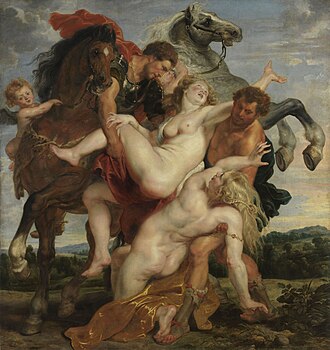 レウキッポスの娘たちの略奪 - Peter Paul Rubens (1618)
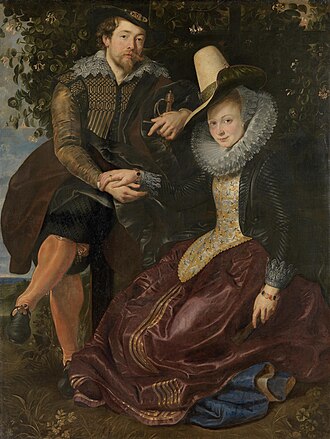 ルーベンスとイザベラ・ブラント - Peter Paul Rubens (1600s)
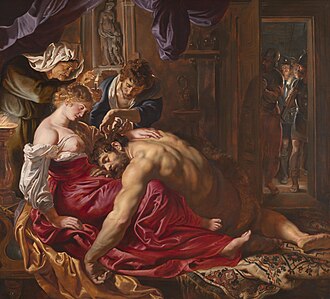 サムソンとデリラ - Peter Paul Rubens (1600s)
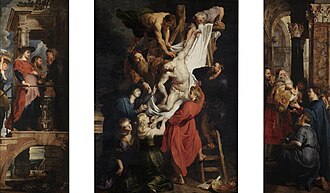 キリスト降架 - Peter Paul Rubens (1611)
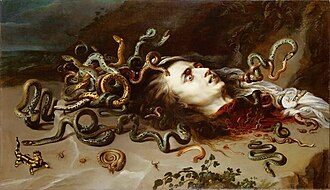 メドューサの頭部 - Peter Paul Rubens (1618)
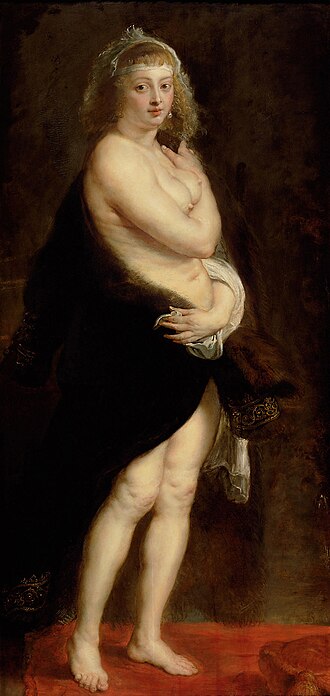 毛皮をまとったエレーヌ・フールマン - Peter Paul Rubens (1638)
.jpg) 愛の園 - Peter Paul Rubens (1632)
愛の園 - Peter Paul Rubens (1632)
関連する画家の作品
 星月夜 - Vincent van Gogh (1889)
.jpg) 夜のカフェテラス - Vincent van Gogh (1888)
夜のカフェテラス - Vincent van Gogh (1888) エマオの晩餐 - Caravaggio (1601)
 聖マタイの召命 - Caravaggio (1609)
 ラス・メニーナス - Diego Velázquez (1656)
 ブレダの開城 - Diego Velázquez (1635)
%20-%20Google%20Art%20Project.jpg) チャールズ1世の三面肖像画 - Anthony van Dyck (1635)
チャールズ1世の三面肖像画 - Anthony van Dyck (1635)%20with%20M.%20de%20St%20Antoine%20-%20Google%20Art%20Project.jpg) 馬上のチャールズ1世とサン・アントワーヌの領主の肖像 - Anthony van Dyck (1636)
馬上のチャールズ1世とサン・アントワーヌの領主の肖像 - Anthony van Dyck (1636)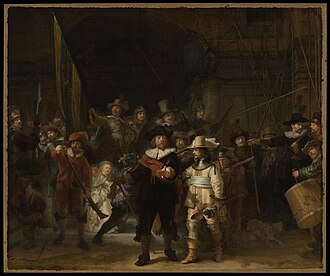 夜警 - Rembrandt van Rijn (1642)
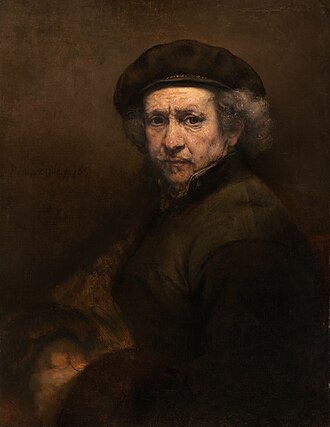 自画像 - Rembrandt van Rijn (1659)
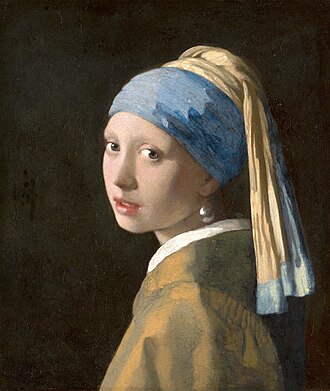 真珠の耳飾りの少女 - Johannes Vermeer (1665)
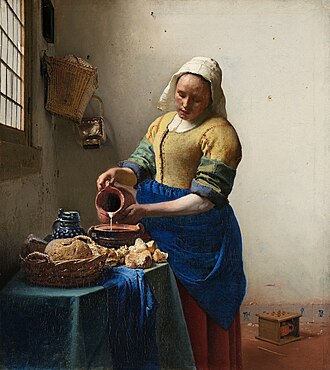 牛乳を注ぐ女 - Johannes Vermeer (c. 1658)