サムソンとデリラ
ピーテル・パウル・ルーベンス · 1600s
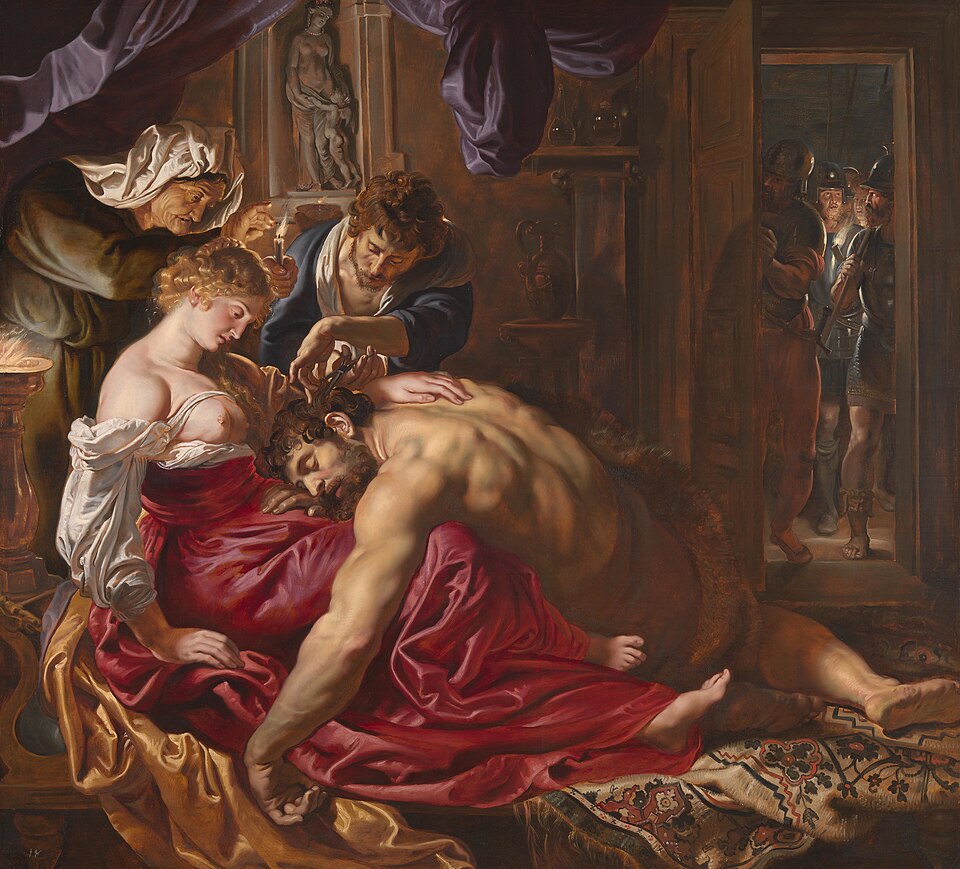
A hero asleep in a lover's lap, a blade at his hair, a candle held close by an old woman. Painted for a friend's mantelpiece in Antwerp, this scene of betrayal is also one of the most debated pictures in the National Gallery.
The story behind the painting
The painting was commissioned by Nicolaas II Rockox, lord mayor of Antwerp and a close personal friend of Rubens, for Rockox House. It was meant to hang above a seven-foot mantelshelf, so it would be seen from below. Wikipedia dates it to about 1609 to 1610, while Wikidata gives only the 1600s. Two preliminary works survive: an oil sketch on wood panel in the Cincinnati Art Museum and an ink-and-wash drawing in a private collection in Amsterdam. A 17th-century painting by Frans Francken the Younger, Banquet at the House of Burgomaster Rockox, shows the picture in place above the mantelpiece.
What to look for
Samson has fallen asleep on Delilah's lap in a dark room, lit mostly by a candle held by an old woman beside her. A young man cuts Samson's hair with crossed hands, a sign of betrayal. Delilah is fully dressed but with her breasts exposed; her left hand rests on Samson's right shoulder, his left arm drapes over her legs. Philistine soldiers wait in the right background. In a niche behind Delilah stands a statue of Venus with Cupid, whose mouth, not his eyes, is bound. Look also at the elaborate draperies and the colours: analysis in 1983 found no blue pigments at all, only carmine lake, lead-tin yellow, vermilion, ochres, lead white and charcoal black.
Meaning and intent
The scene comes from the Old Testament, Judges 16. Samson, a Hebrew hero who fought the Philistines, falls in love with Delilah, who has been bribed by them, and tells her that his strength lies in his uncut hair. Once it is cut, he is captured. The old woman holding the candle does not appear in the biblical story. She is believed to be a procuress, and placing her profile next to Delilah's may suggest the old woman's past and Delilah's future. The bound statue of Venus and Cupid can be read as the cause of Samson's fate and the tool of Delilah's actions.
Legacy
After Rockox died in 1640 the painting was sold publicly for charity to an unknown buyer. A panel of this subject bought by Prince Hans-Adam I of Liechtenstein in 1700 was probably this one, though it was then credited to Jan van den Hoecke, and the picture was also once given to Gerard van Honthorst. Ludwig Burchard rediscovered it in 1929, and the National Gallery bought it at auction in 1980. The artist Euphrosyne Doxiadis has questioned the attribution, citing differences from early copies, the absence of glazing layers and gaps in its history between 1641 and 1929. Dendrochronology confirms the period, and most scholars accept Rubens, although a 2021 AI analysis by Art Recognition claimed a 91 percent probability that it is not his.
豆知識
- Painted about 1609 to 1610 for Nicolaas Rockox, mayor of Antwerp.
- Shows Samson's hair being cut while he sleeps on Delilah's lap.
- Bought by the National Gallery, London, in 1980.
- Its attribution to Rubens is accepted by most scholars but still disputed.
画家について
ピーテル・パウル・ルーベンス (1577-1640)
同じ画家の作品: ピーテル・パウル・ルーベンス
.jpg) キリスト昇架 - Peter Paul Rubens (1609)
キリスト昇架 - Peter Paul Rubens (1609) レウキッポスの娘たちの略奪 - Peter Paul Rubens (1618)
 ルーベンスとイザベラ・ブラント - Peter Paul Rubens (1600s)
 キリスト降架 - Peter Paul Rubens (1611)
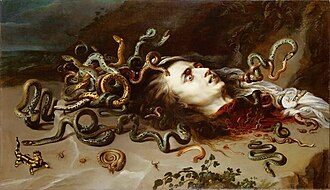 メドューサの頭部 - Peter Paul Rubens (1618)
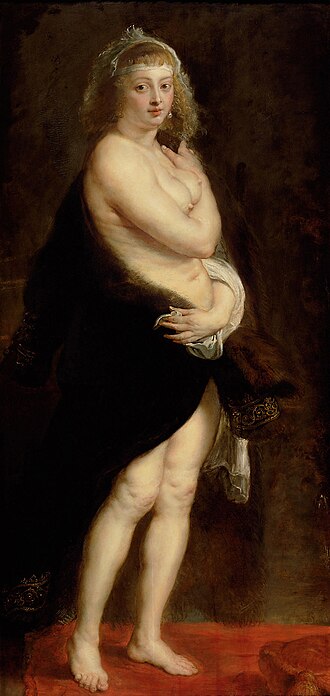 毛皮をまとったエレーヌ・フールマン - Peter Paul Rubens (1638)
.jpg) 愛の園 - Peter Paul Rubens (1632)
愛の園 - Peter Paul Rubens (1632)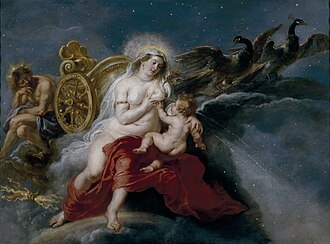 天の川の誕生 - Peter Paul Rubens (1630s)
関連する画家の作品
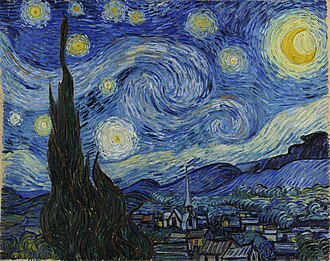 星月夜 - Vincent van Gogh (1889)
.jpg) 夜のカフェテラス - Vincent van Gogh (1888)
夜のカフェテラス - Vincent van Gogh (1888)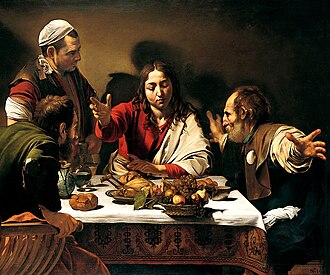 エマオの晩餐 - Caravaggio (1601)
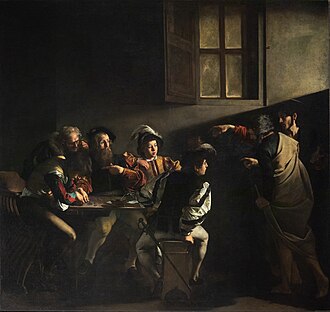 聖マタイの召命 - Caravaggio (1609)
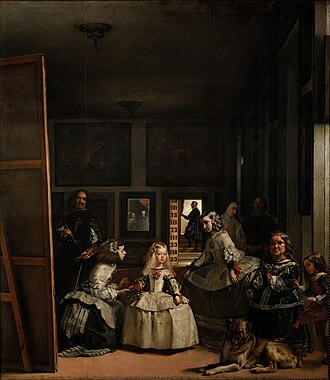 ラス・メニーナス - Diego Velázquez (1656)
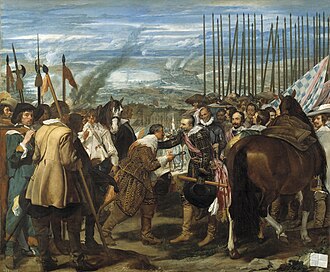 ブレダの開城 - Diego Velázquez (1635)
%20-%20Google%20Art%20Project.jpg) チャールズ1世の三面肖像画 - Anthony van Dyck (1635)
チャールズ1世の三面肖像画 - Anthony van Dyck (1635)%20with%20M.%20de%20St%20Antoine%20-%20Google%20Art%20Project.jpg) 馬上のチャールズ1世とサン・アントワーヌの領主の肖像 - Anthony van Dyck (1636)
馬上のチャールズ1世とサン・アントワーヌの領主の肖像 - Anthony van Dyck (1636)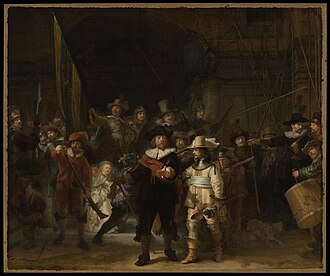 夜警 - Rembrandt van Rijn (1642)
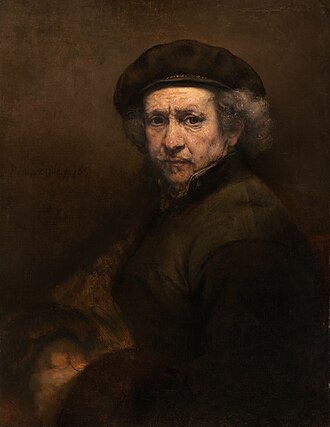 自画像 - Rembrandt van Rijn (1659)
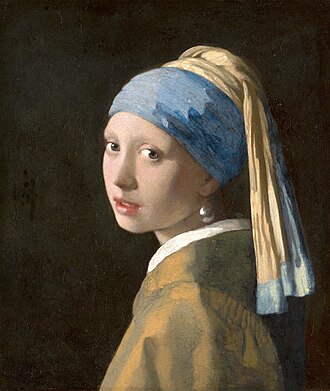 真珠の耳飾りの少女 - Johannes Vermeer (1665)
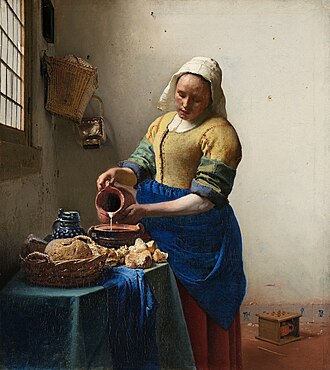 牛乳を注ぐ女 - Johannes Vermeer (c. 1658)