キリストの復活
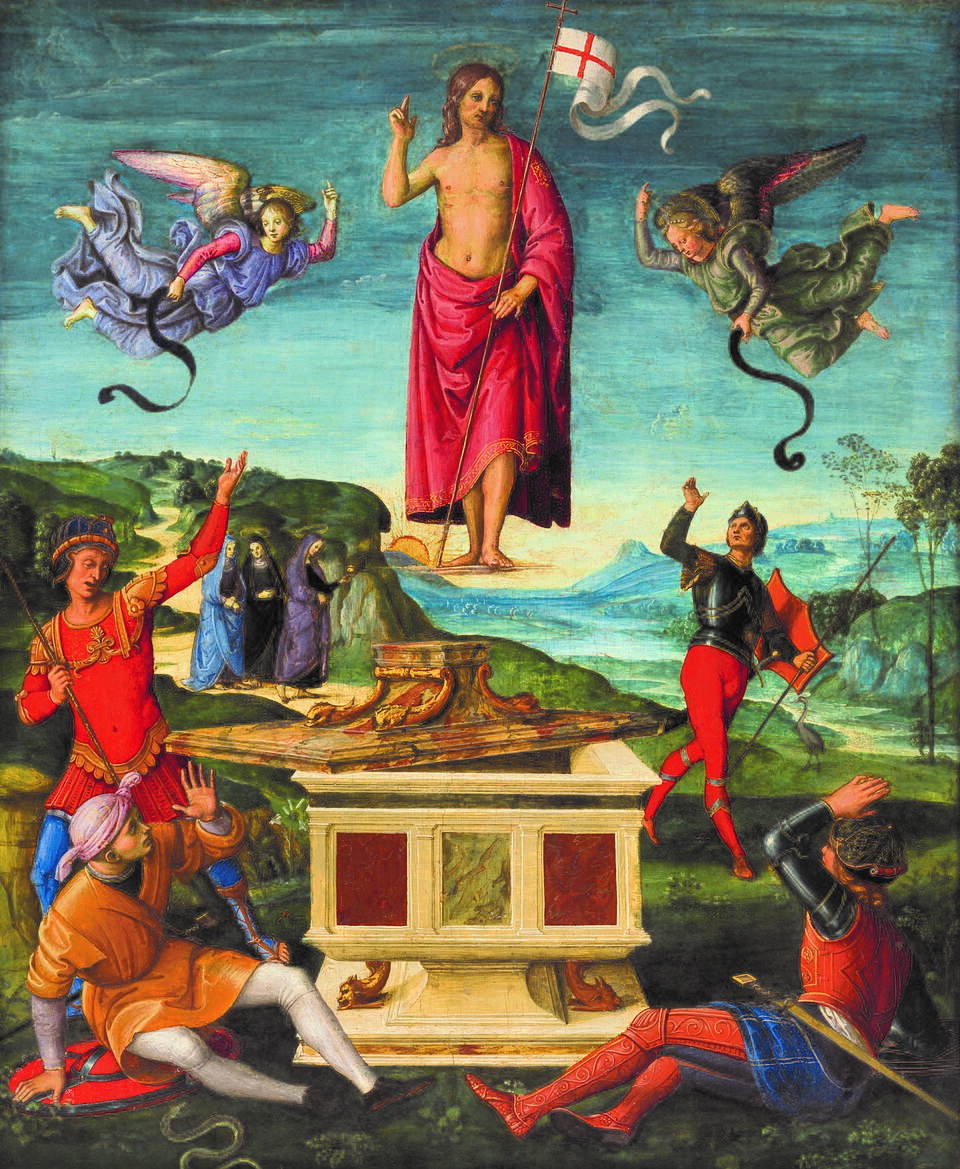
Christ rises while soldiers and angels move around him as if in a dance. This small panel is one of Raphael's earliest known paintings, and the only work by him now in the Southern Hemisphere.
The story behind the painting
Raphael painted this oil on wood between 1499 and 1502, making it one of his earliest known works. It is also called the Kinnaird Resurrection, after the Lords Kinnaird who once owned it. It was probably part of an unknown predella, the strip of small pictures beneath an altarpiece. It has also been suggested that it could be one of the surviving pieces of the Baronci Altarpiece, Raphael's first recorded commission, which was badly damaged by an earthquake in 1789 and whose fragments are now spread across European museums.
What to look for
The panel is small, about 56.5 by 47 cm. Its subject is the Resurrection of Jesus, with an angel and Roman soldiers around the rising Christ. The composition is extremely rational, ruled by a complex ideal geometry that links every element of the scene. That geometry gives the picture a strange, animated rhythm, so the figures become co-protagonists in a single choreography. Look for the influence of Pinturicchio and Melozzo da Forlì, and for a sense of movement in the way the space is orchestrated.
Meaning and intent
This is one of the first surviving works in which Raphael's natural dramatic style is already clear, as opposed to the gentle poetic style of his master Pietro Perugino. Its spatial orchestration and tendency to movement show that the young painter knew the artistic world of Florence. Rather than a calm devotional image, the scene is staged as an event in motion, an early sign of how differently this young painter would come to see a sacred story.
Legacy
The painting was first identified by Wilhelm Bode in 1880 at Rossie Priory, the home of Arthur Kinnaird, 10th Lord Kinnaird. The 12th Lord Kinnaird sold it at Christie's in 1946. In 1954 it was acquired by the São Paulo Museum of Art. Its former director Pietro Maria Bardi, on the advice of his associate Mario Modestini, took responsibility for adding it to Raphael's works, based on two preparatory studies for the composition. This started a heated debate about authorship, but today the attribution to Raphael is almost unanimously accepted. It is the only work by Raphael in the Southern Hemisphere.
豆知識
- One of Raphael's earliest known paintings, from 1499 to 1502.
- Named after the Lords Kinnaird, its former owners.
- Probably from a predella, perhaps from the Baronci Altarpiece.
- In the São Paulo Museum of Art since 1954.
画家について
ラファエロ・サンティ (1483-1520)
宗教美術 · 盛期ルネサンス · イエス・キリスト · 天使 · サンパウロ美術館
同じ画家の作品: ラファエロ・サンティ
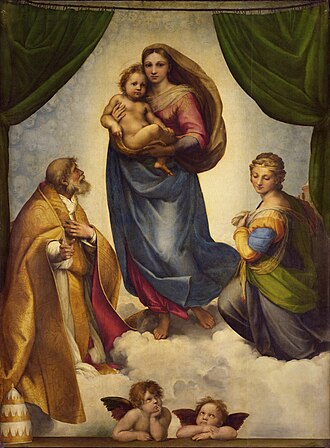 システィーナの聖母 - Raphael (1510s)
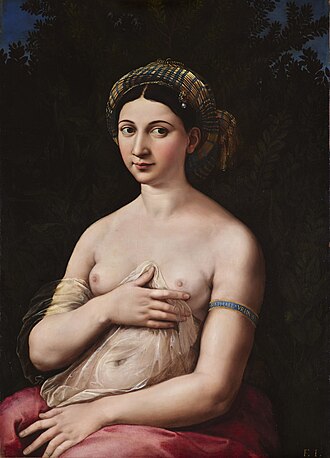 ラ・フォルナリーナ - Raphael
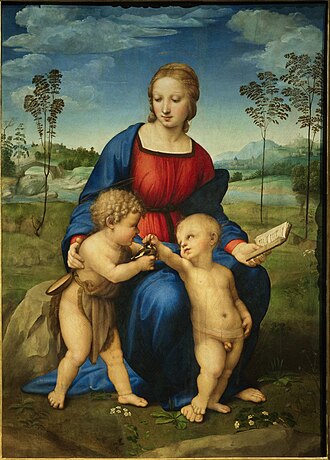 ヒワの聖母 - Raphael (1500s)
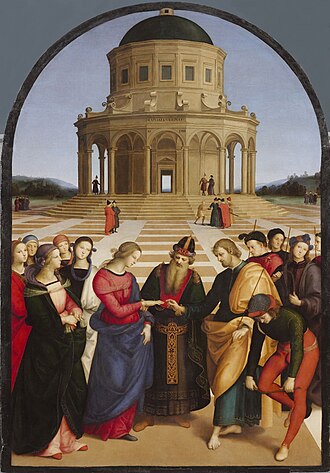 聖母の結婚 - Raphael (1504)
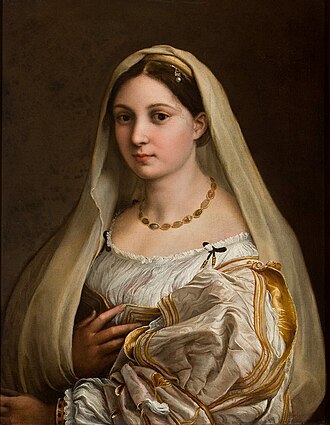 ヴェールを被る婦人の肖像 - Raphael (1510s)
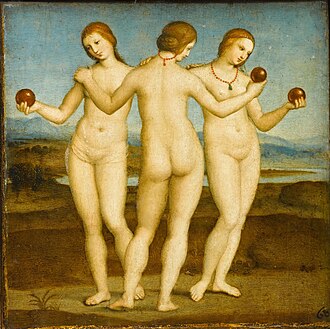 三美神 - Raphael (1504)
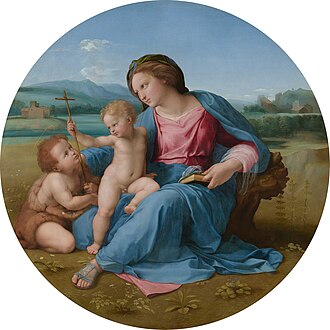 アルバの聖母 - Raphael (1510)
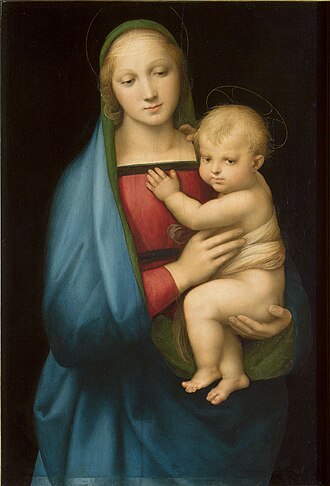 大公の聖母 - Raphael (1500s)
関連する画家の作品
 ウルビーノのヴィーナス - Titian (1538)
 聖母被昇天 - Titian (1510s)
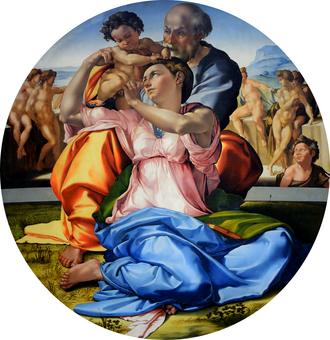 聖家族 - Michelangelo (1500s)
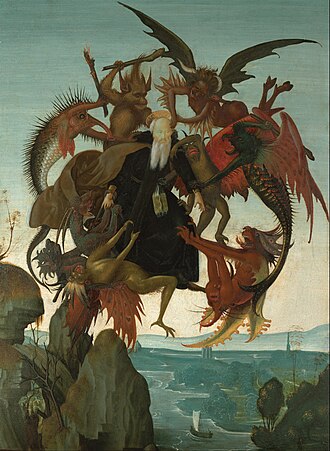 聖アンソニーの苦悩 - Michelangelo (1487)
 モナ・リザ - Leonardo da Vinci (1503-1519)
 白貂を抱く貴婦人 - Leonardo da Vinci (1490)
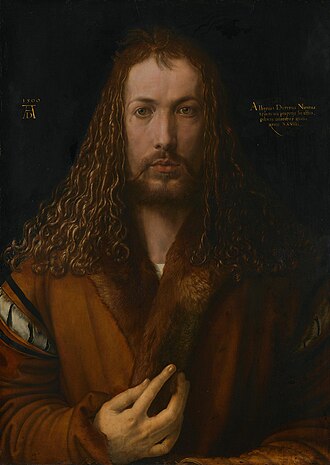 自画像 - Albrecht Dürer (1500)
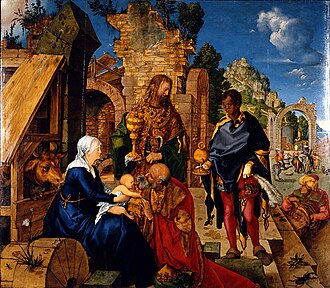 東方三博士の礼拝 - Albrecht Dürer (1504)
 ヴィーナスの誕生 - Sandro Botticelli (c. 1485)
 プリマヴェーラ - Sandro Botticelli (1480s)
 快楽の園 - Hieronymus Bosch
 愚者の船 - Hieronymus Bosch (1500s)