侯爵夫人ブリジダ・スピノーラ=ドーリアの肖像
ピーテル・パウル・ルーベンス · 1606
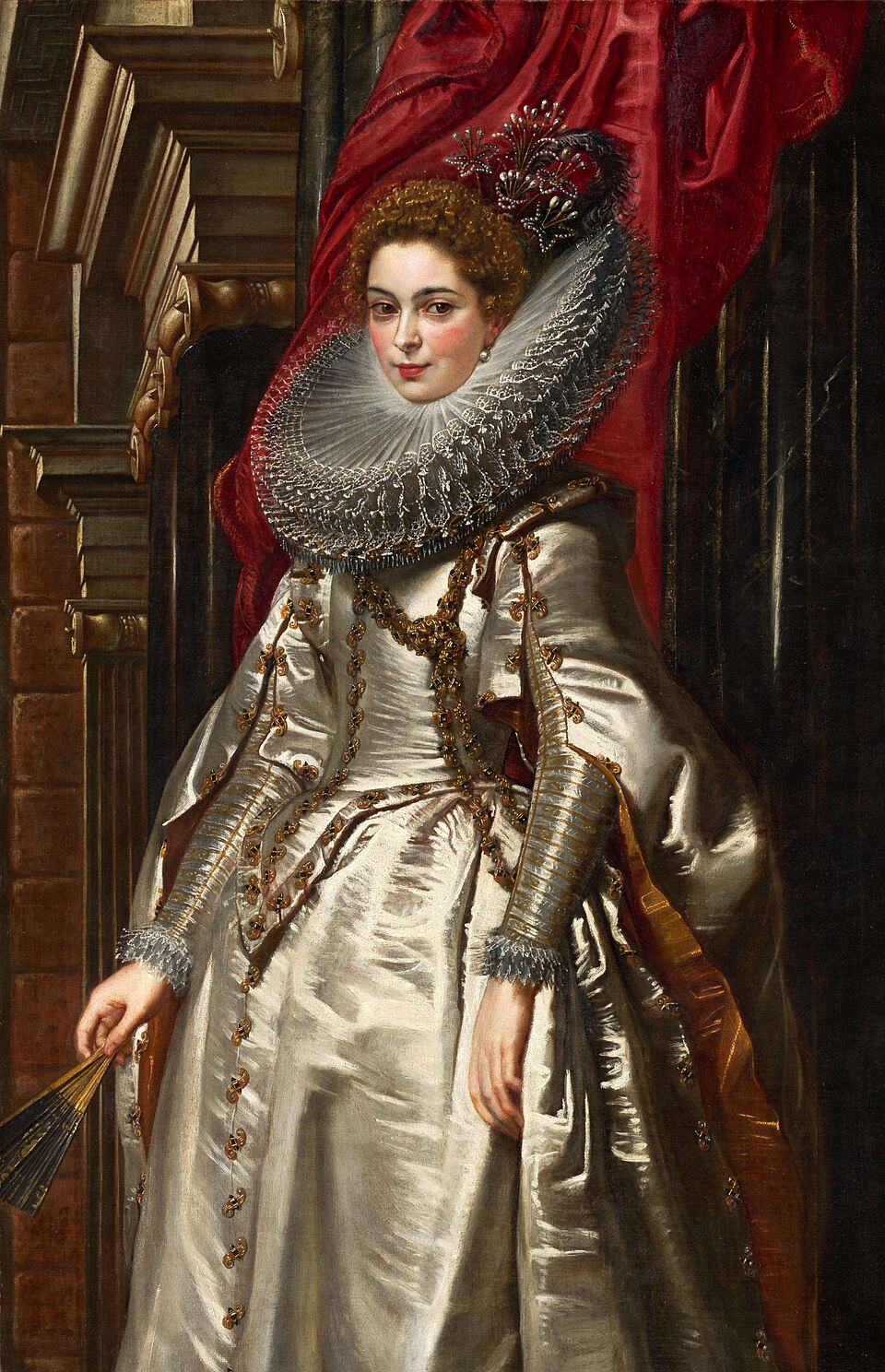
A 22-year-old Genoese bride looks down at us from inside a vast satin wedding gown and a broad ruff. Rubens painted her in 1606, and the canvas has since been cut down, losing the garden, the architecture and the hem of her dress.
The story behind the painting
Marchese Giacomo Massimiliano Doria of Genoa commissioned this portrait of his wife, who was also his cousin, shortly after their wedding on 9 July 1605. Brigida came from the equally prominent Spinola family. The Flemish painter Peter Paul Rubens dated the work 1606. Her husband died in 1613 and the painting passed to his brother, Giovanni Carlo Doria. Brigida later remarried, to another Doria, and the portrait probably passed to her second husband around 1625, then back to her until her death in 1661.
What to look for
The Marchesa is set in an opulent setting meant to convey luxury. She is adorned with jewels and wears a satin and lace dress with a broad ruff around her neck. Watch how the light picks out the folds of the bulky wedding gown. Notice too that she looks down at the viewer: Rubens painted her to be hung above eye level. The canvas now measures about 152 by 98 cm, because it was reduced in the 19th century and cut on each side, just below her knees.
Meaning and intent
This is a wedding portrait, a public statement of the union of two great Genoese families, and every inch of satin and lace says so. A pen and brown ink study by Rubens, now in the Morgan Library and Museum in New York, shows what was lost: the bottom of the floor-length gown and the architecture behind her, along with the garden in the background. Not everyone reads the sketch the same way. Writing in The Burlington Magazine in 1951, Christopher Norris said the sketch showed a woman older than the 22-year-old Marchesa.
Legacy
The portrait stayed in the family until it went to relatives of Rati Opizzone. By 1848 it was in Paris with Simon Horsin-Deon, and by 1854 in London, where it was sold several times. It was first exhibited in 1952 at the Minneapolis Institute of Art, probably while owned by the Duveen Brothers, and at the Royal Academy of Arts in 1953. The Samuel H. Kress foundation bought it in 1957 and gave it to the National Gallery of Art in Washington in 1961, and it has often appeared in exhibitions since.
豆知識
- Painted by Rubens in 1606 after the 1605 wedding.
- Commissioned by her husband and cousin, Giacomo Massimiliano Doria.
- Cut down in the 19th century; a Rubens study shows the lost parts.
- In the National Gallery of Art, Washington, since 1961.
画家について
ピーテル・パウル・ルーベンス (1577-1640)
肖像 · ナショナル・ギャラリー・オブ・アート · 観察者の方向を見つめる · サミュエル・H・クレス・コレクション
同じ画家の作品: ピーテル・パウル・ルーベンス
.jpg) キリスト昇架 - Peter Paul Rubens (1609)
キリスト昇架 - Peter Paul Rubens (1609)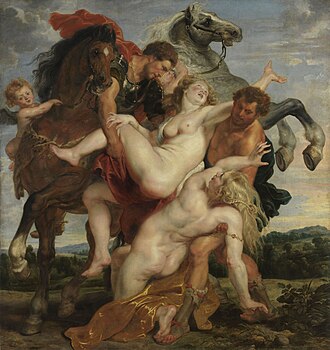 レウキッポスの娘たちの略奪 - Peter Paul Rubens (1618)
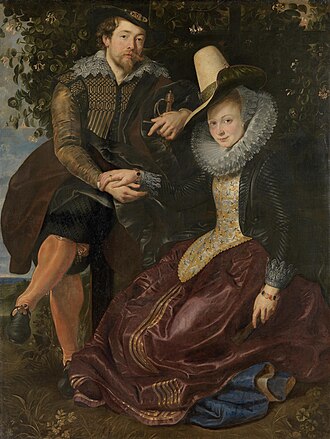 ルーベンスとイザベラ・ブラント - Peter Paul Rubens (1600s)
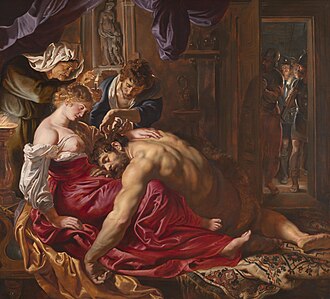 サムソンとデリラ - Peter Paul Rubens (1600s)
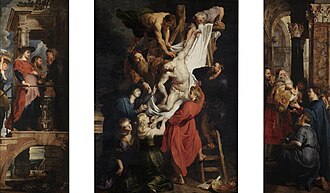 キリスト降架 - Peter Paul Rubens (1611)
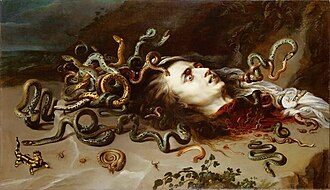 メドューサの頭部 - Peter Paul Rubens (1618)
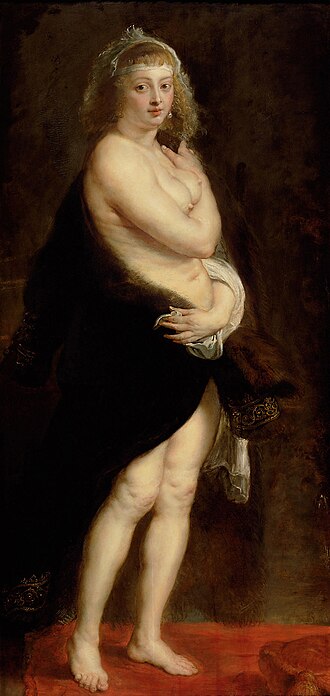 毛皮をまとったエレーヌ・フールマン - Peter Paul Rubens (1638)
.jpg) 愛の園 - Peter Paul Rubens (1632)
愛の園 - Peter Paul Rubens (1632)
関連する画家の作品
 星月夜 - Vincent van Gogh (1889)
.jpg) 夜のカフェテラス - Vincent van Gogh (1888)
夜のカフェテラス - Vincent van Gogh (1888)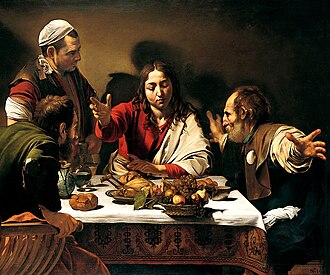 エマオの晩餐 - Caravaggio (1601)
 聖マタイの召命 - Caravaggio (1609)
 ラス・メニーナス - Diego Velázquez (1656)
 ブレダの開城 - Diego Velázquez (1635)
%20-%20Google%20Art%20Project.jpg) チャールズ1世の三面肖像画 - Anthony van Dyck (1635)
チャールズ1世の三面肖像画 - Anthony van Dyck (1635)%20with%20M.%20de%20St%20Antoine%20-%20Google%20Art%20Project.jpg) 馬上のチャールズ1世とサン・アントワーヌの領主の肖像 - Anthony van Dyck (1636)
馬上のチャールズ1世とサン・アントワーヌの領主の肖像 - Anthony van Dyck (1636) 夜警 - Rembrandt van Rijn (1642)
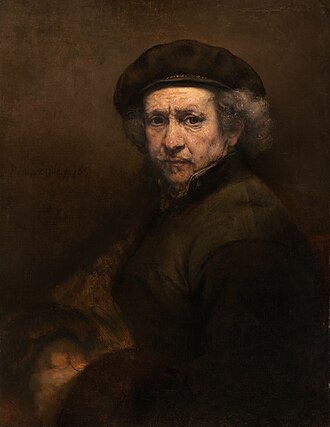 自画像 - Rembrandt van Rijn (1659)
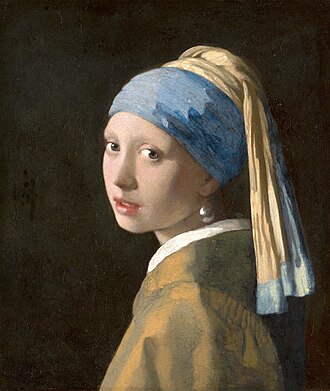 真珠の耳飾りの少女 - Johannes Vermeer (1665)
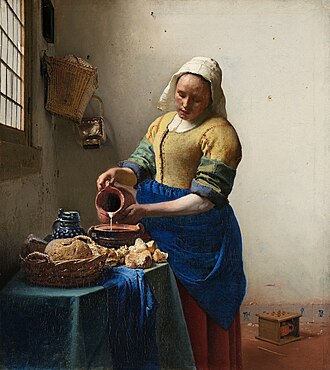 牛乳を注ぐ女 - Johannes Vermeer (c. 1658)