Diogenes
ジャン=レオン・ジェローム · 1860
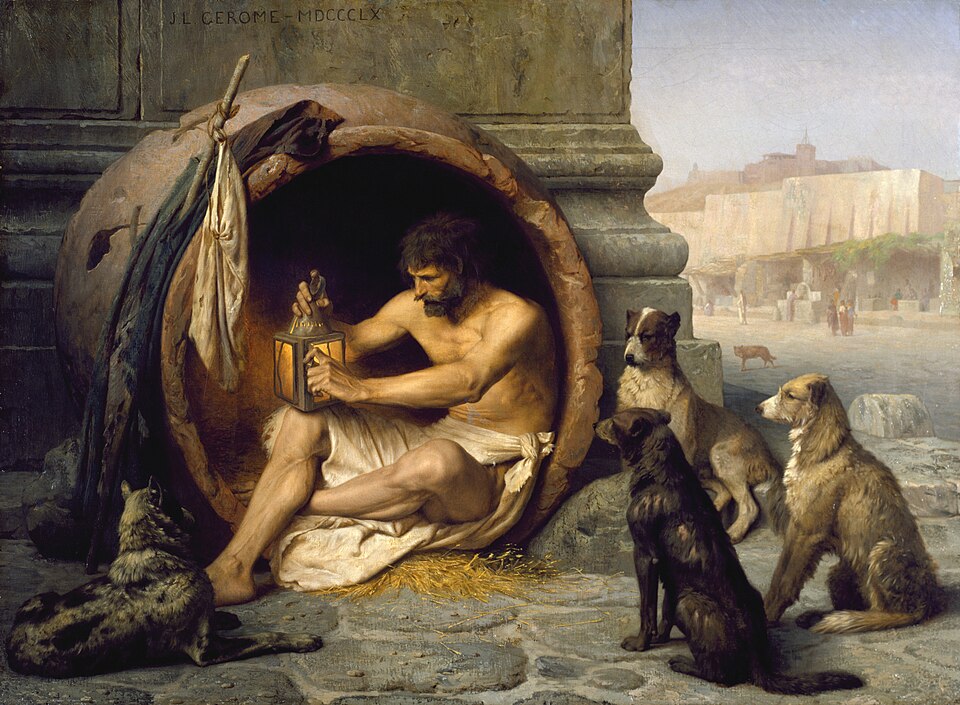
A barefoot philosopher sits in a clay jar on an Athens street, lighting a lamp in broad daylight, with four dogs as his only audience. Gérôme painted Diogenes in 1860.
The story behind the painting
Diogenes is an oil on canvas by Jean-Léon Gérôme, dated 1860 and signed on the wall at upper left: J. L. GEROME MDCCCLX. It is inspired by the Greek philosopher Diogenes of Sinope, who lived from about 404 to 323 BC, and it is a history painting in the academic style. The canvas measures 74.5 by 101 cm. It now hangs in the Walters Art Museum in Baltimore, Maryland, in the United States, where it arrived after passing through several famous collections on both sides of the Atlantic.
What to look for
Diogenes sits on a straw bed in what he called his home, a large jar lying on its side at the corner of a building of the Metroon in Athens. The jar is wedged between the pavement, a big stone and the wall. He wears only a simple tribon tied at the waist and is barefoot. He is lighting a lamp in daylight. His staff with its bag leans against the jar, and four dogs face him. On the right, the almost empty city stretches behind. Brown and earthy tones dominate, reflecting the hard life the philosopher chose.
Meaning and intent
Diogenes is easy to recognise. He chose to live in poverty, rejected social conventions and survived only on charity; according to Seneca he was amused by the contempt and disgust he provoked. He used to wander the streets with his lamp, holding it to passers-by's faces in a vain search for a virtuous man. He preferred dogs for their simple way of life, and they became emblems of his philosophy, cynicism, from the Greek kynikos, dog-like. Gérôme's vision can be read as a tribute to a mind out of step with its time, and as a sad question about civilisation.
Legacy
The first known owner was the dealer Ernest Gambart in London, on 3 March 1861. August Belmont of New York bought it before 1864, Goupil and Cie in Paris acquired it on 7 March 1865, and a sale is mentioned in 1866. August Belmont owned it again in November 1872, and that same year it was bought by William Thompson Walters of Baltimore. It passed by inheritance to his son Henry Walters in 1894, who bequeathed it to the Walters Art Museum in 1931, where the philosopher still waits with his lamp.
豆知識
- Painted and signed by Jean-Léon Gérôme in 1860.
- Diogenes lights a lamp by day, seated in a jar in Athens.
- The dogs stand for cynicism, from the Greek for dog-like.
- Bequeathed to the Walters Art Museum in 1931.
画家について
ジャン=レオン・ジェローム (1824-1904)
同じ画家の作品: ジャン=レオン・ジェローム
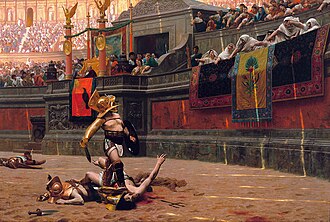 指し降ろされた親指 - Jean-Léon Gérôme (1872)
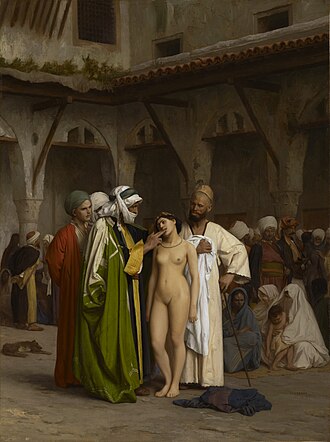 奴隷市場 - Jean-Léon Gérôme (1866)
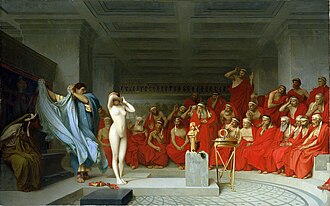 アレオパゴス会議のフリュネ - Jean-Léon Gérôme (1861)
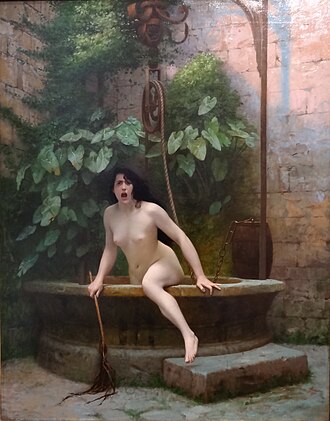 人類に恥を知らせるため井戸から出てくる〈真実〉 - Jean-Léon Gérôme (1896)
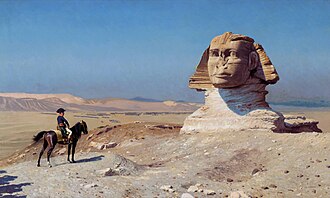 Bonaparte Before the Sphinx - Jean-Léon Gérôme (1867)
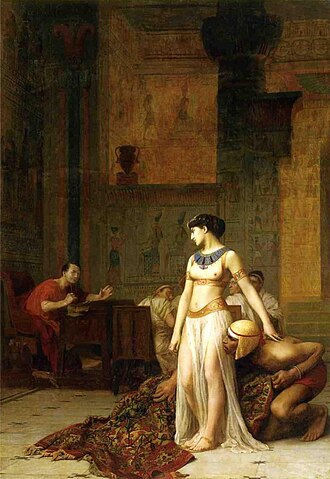 Cleopatra and Caesar - Jean-Léon Gérôme (1866)
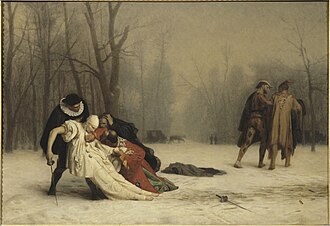 仮面舞踊会の後の決闘 - Jean-Léon Gérôme (1857)
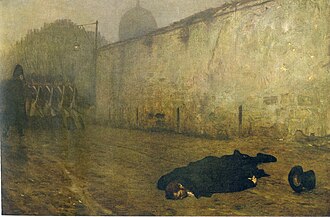 The Execution of Marshal Ney - Jean-Léon Gérôme (1868)
関連する画家の作品
 草上の昼食 - Édouard Manet (1863)
 オランピア - Édouard Manet (1863)
 世界の起源 - Gustave Courbet (1866)
 オルナンの埋葬 - Gustave Courbet (2020)
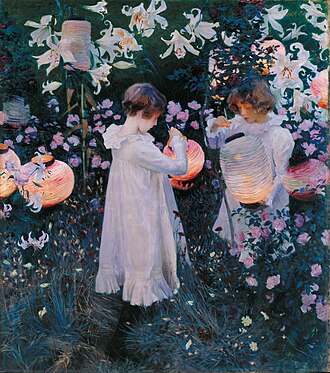 カーネーション、リリー、リリー、ローズ - John Singer Sargent (1885-1886)
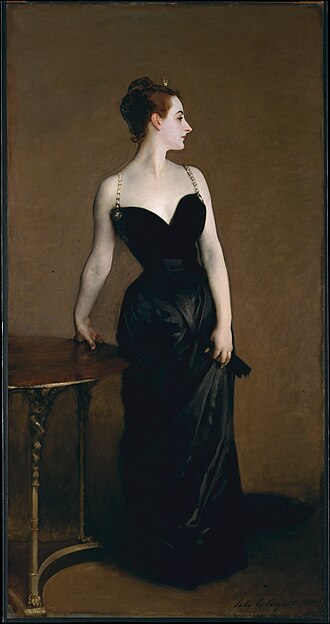 マダムXの肖像 - John Singer Sargent (1884)
 民衆を導く自由の女神 - Eugène Delacroix (1830)
 サルダナパールの死 - Eugène Delacroix (1827)
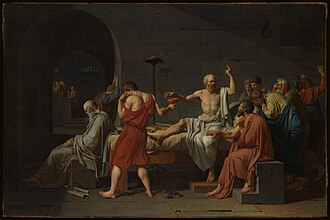 ソクラテスの死 - Jacques-Louis David (1787)
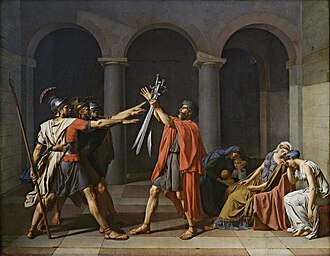 ホラティウス兄弟の誓い - Jacques-Louis David (1784)
 ウォルドグレイヴ家の貴婦人たち - Joshua Reynolds (1780)
 ジョージ K. H. クースメイカー大尉 - Joshua Reynolds (1782)