Bonaparte Before the Sphinx
ジャン=レオン・ジェローム · 1867
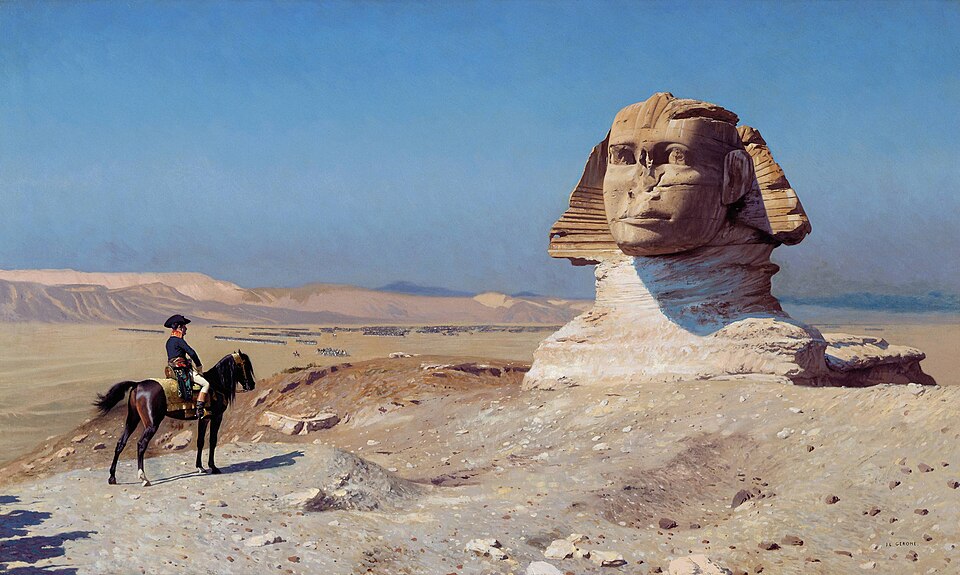
A lone rider on a horse faces the vast stone face of the Sphinx, his army small in the distance. Gérôme first called this picture Oedipus: the young man of destiny meeting a riddle thousands of years old.
The story behind the painting
In the 1860s Gérôme painted several pictures of Napoleon during the Egyptian campaign of 1798 to 1799, and he returned to the theme in the 1880s. He was well placed to do so: he was already famous for Egyptian subjects and landscapes drawn from long travels in the region from the mid-1850s. The sources disagree on the date. Wikipedia calls this an 1886 painting shown at that year's Salon, while Wikidata dates it to 1867. Its pendant, Bonaparte in Cairo, is the same size and may have been painted at the same time.
What to look for
Napoleon sits on horseback in front of the Great Sphinx of Giza, with his army behind him. Wikidata gives the canvas as about 62 by 102 cm. Reviewing the Salon of 1886, The New York Times described the young Corsican gazing in meditation at the enormous enigmatic face of stone, and noted that the master kept out all distracting details: not even the Pyramids are shown, only the cloudless sky, the smooth sand from whose drifts the gigantic face rises, and the solitary man thinking to himself.
Meaning and intent
Gérôme showed the work under the title Oedipus, referring to the myth in which every traveller to Thebes had to answer the Sphinx's riddle or die, and to earlier paintings of it, such as the one by Ingres. That story is about intelligence, but also about a man meeting his destiny. In Gérôme's Napoleon pictures the general is always deep in thought, unlike usual military paintings of specific battles or heroic action. Here Napoleon is set in silent dialogue with the Sphinx, a young man of destiny before a monument thousands of years old.
Legacy
The New York Times called it one of Gérôme's finest historical studies. The painting popularized Napoleon in front of the Sphinx as a subject in art and in caricature. In 1898 it was bought, together with its pendant Bonaparte in Cairo, by William Randolph Hearst. Seen side by side, the two offer a contrast: Bonaparte gazing up at the mysterious Sphinx, and down upon the conquered city of Cairo. The painting is now at Hearst Castle in California. Gérôme returned to Napoleon again with a sculpture of his entry into Cairo, shown at the Salon of 1897.
豆知識
- Shown at the Salon of 1886 under the title Oedipus.
- Wikidata dates it to 1867, Wikipedia to 1886.
- Bought by William Randolph Hearst in 1898.
- Now at Hearst Castle, California.
画家について
ジャン=レオン・ジェローム (1824-1904)
歴史画 · ウマ · アカデミック美術 · 馬術 · equestrian portrait · ナポレオン・ボナパルト · まなざし · 軍服 · 二角帽子
同じ画家の作品: ジャン=レオン・ジェローム
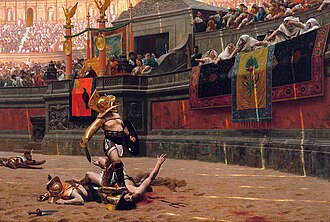 指し降ろされた親指 - Jean-Léon Gérôme (1872)
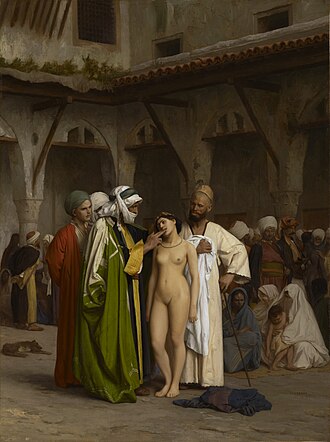 奴隷市場 - Jean-Léon Gérôme (1866)
%20-%2001.jpg) アレオパゴス会議のフリュネ - Jean-Léon Gérôme (1861)
アレオパゴス会議のフリュネ - Jean-Léon Gérôme (1861)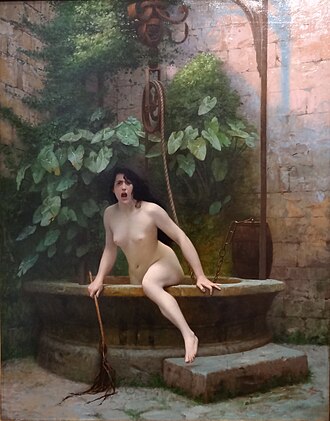 人類に恥を知らせるため井戸から出てくる〈真実〉 - Jean-Léon Gérôme (1896)
 Cleopatra and Caesar - Jean-Léon Gérôme (1866)
 仮面舞踊会の後の決闘 - Jean-Léon Gérôme (1857)
.jpg) The Execution of Marshal Ney - Jean-Léon Gérôme (1868)
The Execution of Marshal Ney - Jean-Léon Gérôme (1868) The Christian Martyrs' Last Prayer - Jean-Léon Gérôme (1883)
関連する画家の作品
 草上の昼食 - Édouard Manet (1863)
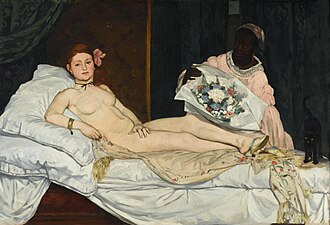 オランピア - Édouard Manet (1863)
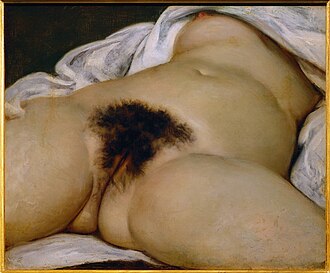 世界の起源 - Gustave Courbet (1866)
 オルナンの埋葬 - Gustave Courbet (2020)
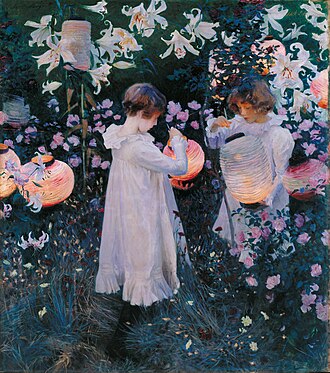 カーネーション、リリー、リリー、ローズ - John Singer Sargent (1885-1886)
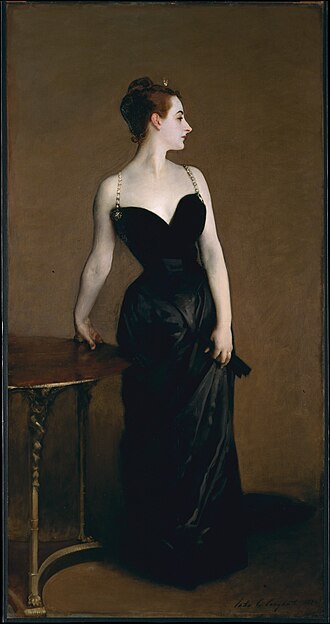 マダムXの肖像 - John Singer Sargent (1884)
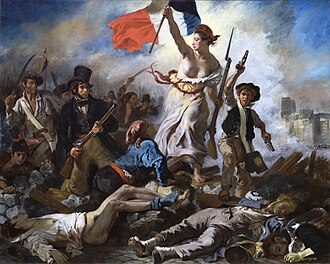 民衆を導く自由の女神 - Eugène Delacroix (1830)
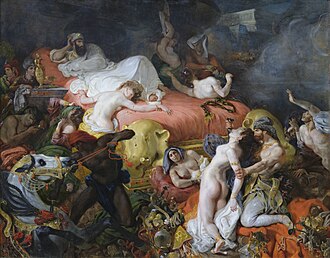 サルダナパールの死 - Eugène Delacroix (1827)
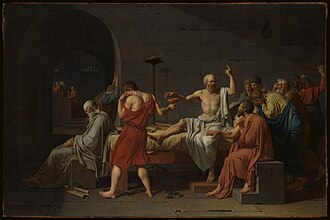 ソクラテスの死 - Jacques-Louis David (1787)
 ホラティウス兄弟の誓い - Jacques-Louis David (1784)
 戦艦テメレール号 - J. M. W. Turner (1839)
 雨、蒸気、速度 - グレート・ウェスタン鉄道 - J. M. W. Turner (1844)