ライオンの穴の中のダニエル
ピーテル・パウル・ルーベンス · 1615
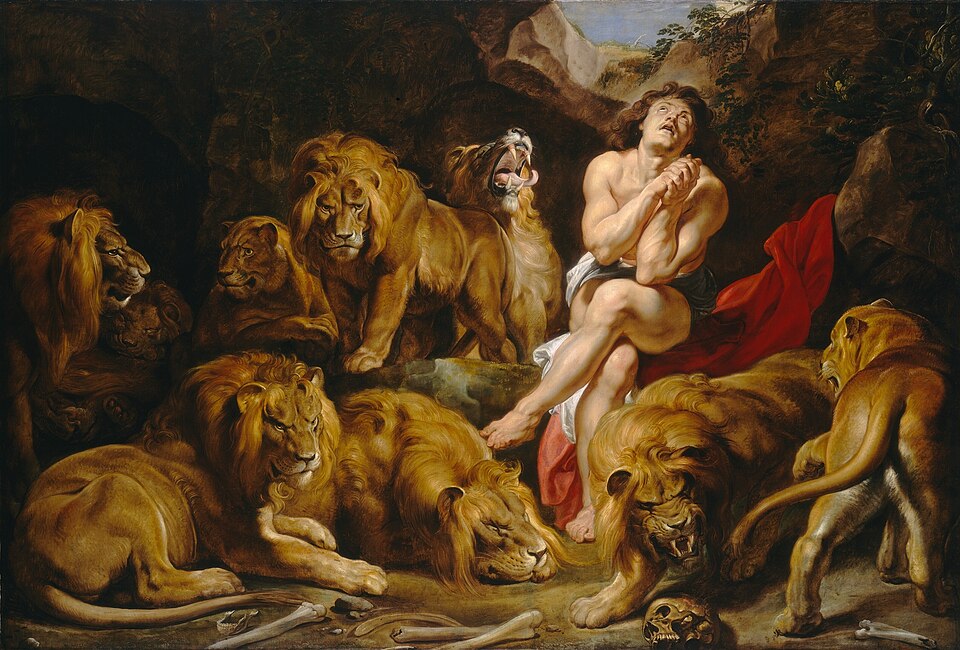
A young man prays among ten life-size lions, and several of the beasts stare straight out at us, as if we too had stepped into the den. Rubens said the lions were done from life.
The story behind the painting
The painting tells the biblical story of Daniel, thrown into a den of lions for defying a decree of king Darius the Mede that forbade praying to anyone but the king, and saved by his faith. Rubens painted it after returning to Antwerp from eight years in Italy. It may have been begun in 1612 but is more often dated 1613 to 1615; Wikidata gives 1615. Why and for whom Rubens painted it is still unknown.
What to look for
The lions are life-size, which heightens their menace, and the canvas is huge, about 224 by 330 cm. Rubens may have based the lioness on a Renaissance bronze from Padua, but he wrote to Dudley Carleton that the lions were done from life. As court painter in Brussels he had access to the archdukes' menagerie, and one account says he tickled a lion to make it open its mouth. Daniel is shown young, though by biblical chronology he would have been over eighty, and his prayer comes from the deuterocanonical chapter 14, not chapter 6.
Meaning and intent
The National Gallery of Art describes the work as combining realism and theatricality to draw a strong emotional reaction. Daniel's face recalls the ancient Dying Alexander and a Penitent Saint Jerome by Girolamo Muziano, works Rubens saw in Italy. Modern commentators suggest a political allegory or a Counter-Reformation picture of personal faith. Rachel Aviva Pollack notes that there are ten lions, the same number as the provinces of the Southern Netherlands during the Twelve Years' Truce.
Legacy
Its first known owner was Dudley Carleton, the English ambassador at The Hague, who received it from Rubens in a 1618 exchange for antique statues. In 1628 Carleton gave it to Charles I, who hung it in the Bear Gallery at Whitehall; Charles then gave it to James Hamilton, and it stayed at Hamilton Palace in Scotland for generations. Over time it was misattributed to Paul de Vos and Jacob Jordaens, and the Cowdray family believed their picture was a copy, before its true identity was recognised and it went to the National Gallery of Art in Washington in 1965.
豆知識
- Painted around 1613 to 1615, after Rubens returned from Italy.
- The lions are life-size, and Rubens wrote that they were done from life.
- Owned by Dudley Carleton, then Charles I, then the Hamilton family.
- In the National Gallery of Art, Washington, since 1965.
画家について
ピーテル・パウル・ルーベンス (1577-1640)
同じ画家の作品: ピーテル・パウル・ルーベンス
.jpg) キリスト昇架 - Peter Paul Rubens (1609)
キリスト昇架 - Peter Paul Rubens (1609) レウキッポスの娘たちの略奪 - Peter Paul Rubens (1618)
 ルーベンスとイザベラ・ブラント - Peter Paul Rubens (1600s)
 サムソンとデリラ - Peter Paul Rubens (1600s)
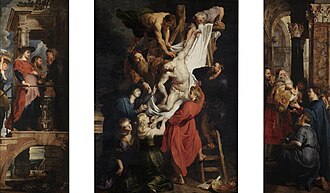 キリスト降架 - Peter Paul Rubens (1611)
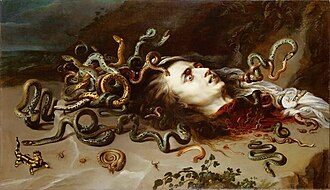 メドューサの頭部 - Peter Paul Rubens (1618)
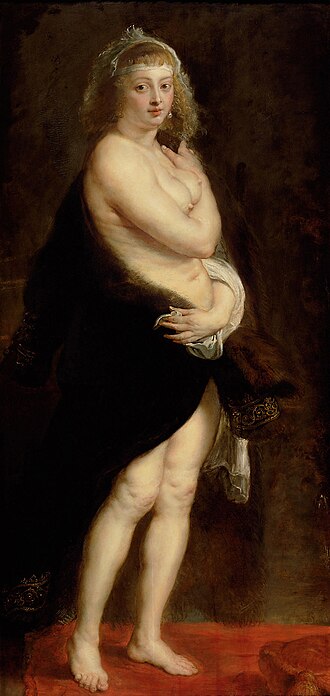 毛皮をまとったエレーヌ・フールマン - Peter Paul Rubens (1638)
.jpg) 愛の園 - Peter Paul Rubens (1632)
愛の園 - Peter Paul Rubens (1632)
関連する画家の作品
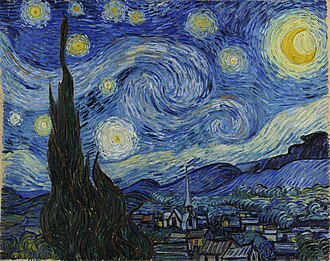 星月夜 - Vincent van Gogh (1889)
.jpg) 夜のカフェテラス - Vincent van Gogh (1888)
夜のカフェテラス - Vincent van Gogh (1888) エマオの晩餐 - Caravaggio (1601)
 聖マタイの召命 - Caravaggio (1609)
 ラス・メニーナス - Diego Velázquez (1656)
 ブレダの開城 - Diego Velázquez (1635)
%20-%20Google%20Art%20Project.jpg) チャールズ1世の三面肖像画 - Anthony van Dyck (1635)
チャールズ1世の三面肖像画 - Anthony van Dyck (1635)%20with%20M.%20de%20St%20Antoine%20-%20Google%20Art%20Project.jpg) 馬上のチャールズ1世とサン・アントワーヌの領主の肖像 - Anthony van Dyck (1636)
馬上のチャールズ1世とサン・アントワーヌの領主の肖像 - Anthony van Dyck (1636)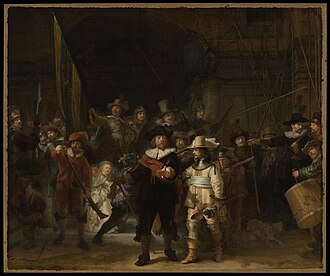 夜警 - Rembrandt van Rijn (1642)
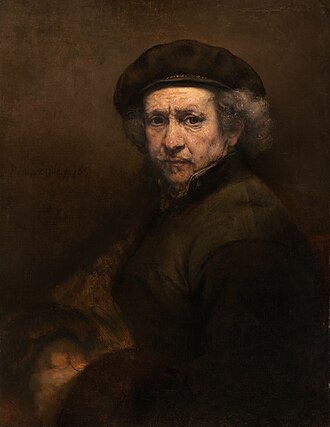 自画像 - Rembrandt van Rijn (1659)
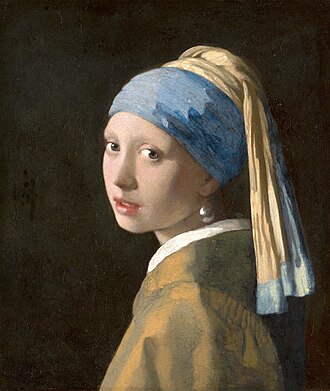 真珠の耳飾りの少女 - Johannes Vermeer (1665)
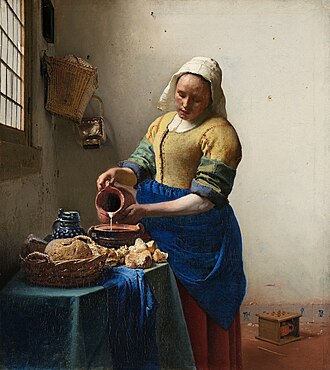 牛乳を注ぐ女 - Johannes Vermeer (c. 1658)