Almehs playing chess in a café
ジャン=レオン・ジェローム · 1870
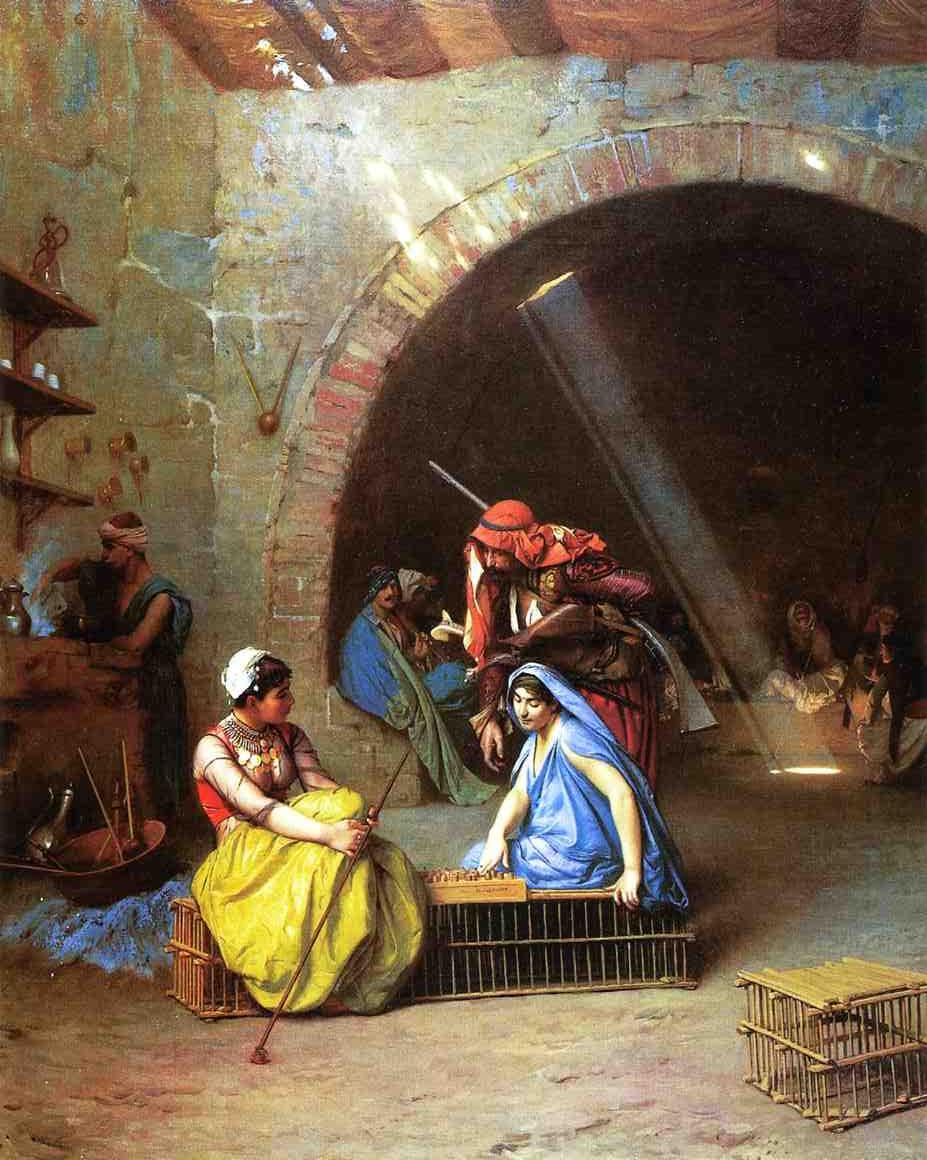
Two women sit on a wooden cage in a dim cafe, bent over a chessboard, while a soldier watches every move. Gérôme painted this quiet game in 1870, after meeting dancers on a journey through Egypt.
The story behind the painting
In 1868 Gérôme travelled to the Fayoum oasis with his companion Paul Lenoir. At Sinuris they met a group of almehs and invited them to join them, and Gérôme's brother-in-law Albert Goupil photographed the women. Back in France the painter obtained costumes for his models. Two years later, in 1870, he painted this scene of life in Ottoman Egypt. The French Wikipedia article gives the canvas as 65.7 by 54.8 cm and calls it privately owned, while Wikidata lists the Metropolitan Museum of Art and the Najd Collection.
What to look for
Two women use a wooden cage as a bench. One wears the almeh's costume: yellow puffed trousers, a red waistcoat, black transparent tulle and a decorated headdress, with a heavy gold necklace hung with medals and a pipe in her left hand, her attention fixed on the game. The other, in a blue cloak of antique style with a blue veil, touches the board with her right hand. Beside them a bashi-bazouk, an irregular Ottoman soldier, watches closely. Behind, a man pours water into a basin and others smoke or talk. A shaft of light falls from an opening in the roof. The signature, J.L. GEROME, sits on the edge of the chessboard.
Meaning and intent
An almeh was a highly skilled Egyptian dancer, singer and musician, often invited into harems to teach and entertain. The word was also used as a euphemism for an erotic dancer, a role that became more visible after the ghawazi, another kind of traditional dancer, were banned in 1834. Almehs rarely performed in public, and the article suggests the model here may more truly be a ghawazi. The light from above makes the scene feel intimate and mysterious, an everyday moment charged with the sensuality and exoticism that recur in Gérôme's work.
Legacy
Gérôme's pictures of almehs, and of Eastern cultures in general, left a lasting mark on nineteenth century Western art. He is sometimes criticised for exoticism and a stereotyped vision of the East, yet his works remain striking examples of academic Orientalism, seen through a European lens. This canvas passed through many hands: Mrs T. A. Scott in Philadelphia from 1885 to 1895, a private American collection, the Newhouse Galleries, the Nelson-Atkins Museum of Art from 1932, the Schoneman Galleries from 1947, a Christie's sale in New York in 1983, and the Mathaf Gallery in London.
豆知識
- Painted by Jean-Léon Gérôme in 1870.
- Inspired by his 1868 journey to the Fayoum oasis.
- The signature is on the edge of the chessboard.
- Once held by the Nelson-Atkins Museum of Art, from 1932.
画家について
ジャン=レオン・ジェローム (1824-1904)
同じ画家の作品: ジャン=レオン・ジェローム
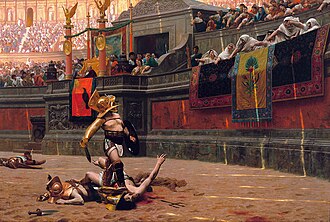 指し降ろされた親指 - Jean-Léon Gérôme (1872)
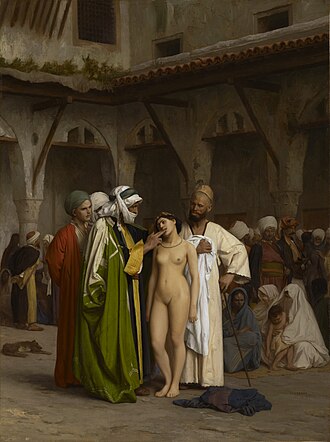 奴隷市場 - Jean-Léon Gérôme (1866)
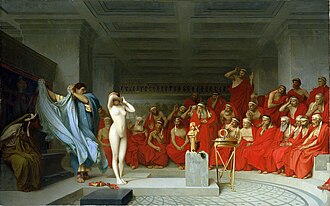 アレオパゴス会議のフリュネ - Jean-Léon Gérôme (1861)
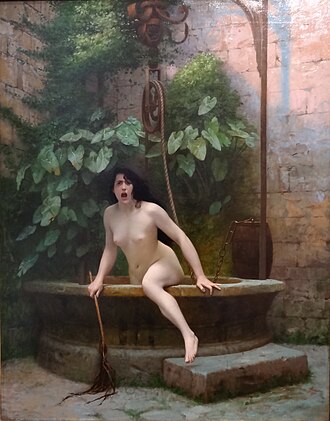 人類に恥を知らせるため井戸から出てくる〈真実〉 - Jean-Léon Gérôme (1896)
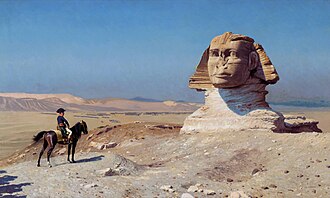 Bonaparte Before the Sphinx - Jean-Léon Gérôme (1867)
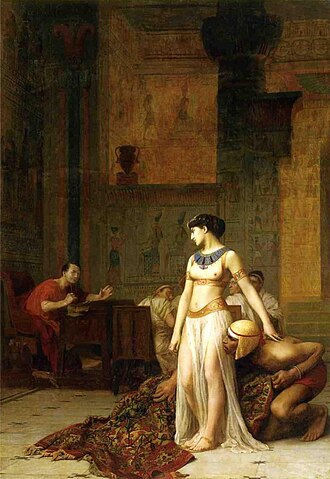 Cleopatra and Caesar - Jean-Léon Gérôme (1866)
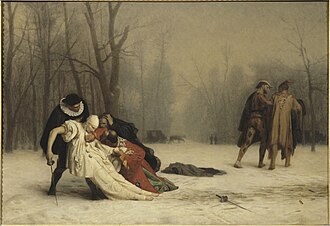 仮面舞踊会の後の決闘 - Jean-Léon Gérôme (1857)
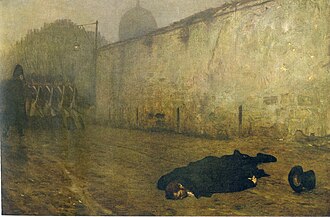 The Execution of Marshal Ney - Jean-Léon Gérôme (1868)
関連する画家の作品
 草上の昼食 - Édouard Manet (1863)
 オランピア - Édouard Manet (1863)
 世界の起源 - Gustave Courbet (1866)
 オルナンの埋葬 - Gustave Courbet (2020)
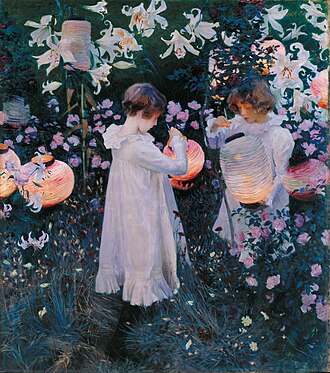 カーネーション、リリー、リリー、ローズ - John Singer Sargent (1885-1886)
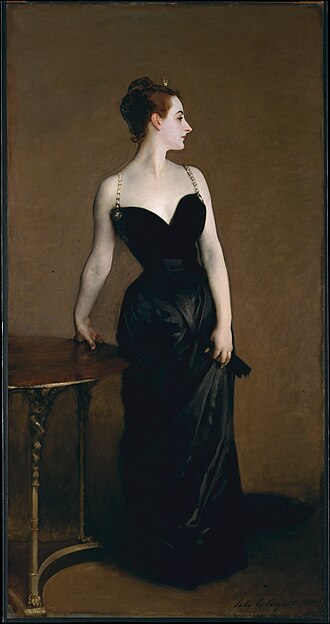 マダムXの肖像 - John Singer Sargent (1884)
 民衆を導く自由の女神 - Eugène Delacroix (1830)
 サルダナパールの死 - Eugène Delacroix (1827)
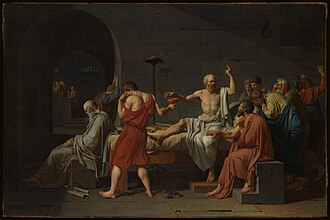 ソクラテスの死 - Jacques-Louis David (1787)
 ホラティウス兄弟の誓い - Jacques-Louis David (1784)
 ウォルドグレイヴ家の貴婦人たち - Joshua Reynolds (1780)
 ジョージ K. H. クースメイカー大尉 - Joshua Reynolds (1782)