Irises
Vincent van Gogh · 1889
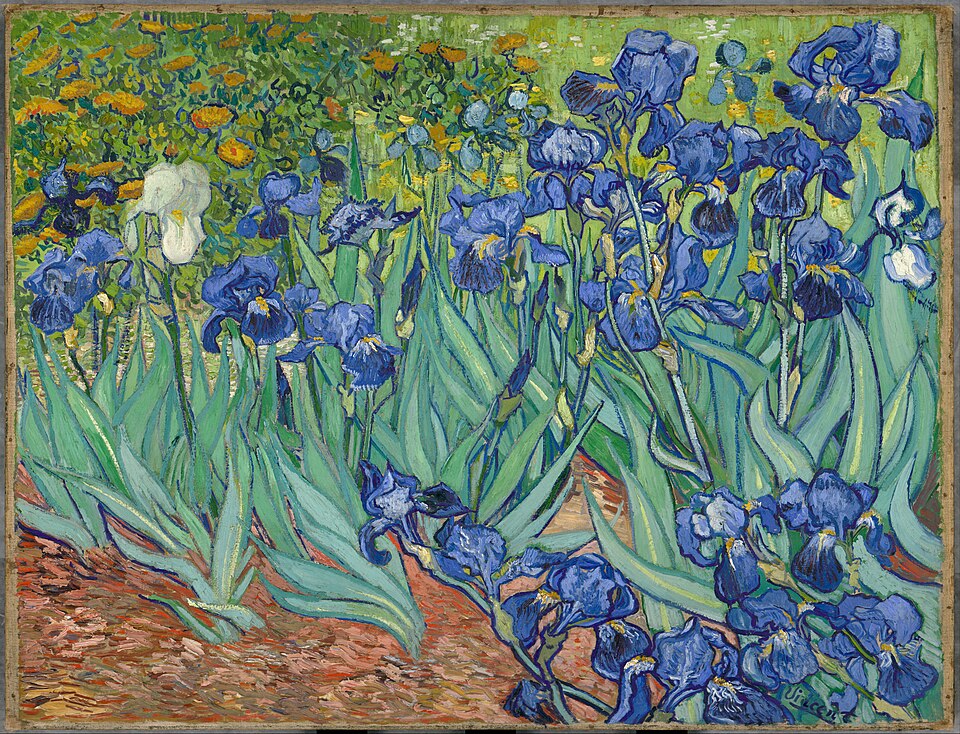
A vibrant and expressive depiction of irises, this painting showcases Van Gogh's unique post-impressionist style, characterized by bold colors and dynamic brushstrokes.
The story behind the painting
In May 1889, Vincent van Gogh voluntarily entered the Saint-Paul-de-Mausole asylum in Saint-Rémy, France, where he would spend the next year creating around 150 canvases. Irises was painted within a month of his arrival, as he began to find solace in the hospital's garden. The painting depicts the vibrant flowers that bloomed in the garden, which Van Gogh could see from his window. He wrote to his brother Theo, mentioning that he had started a painting of 'violet irises,' a reference to Irises. The painting reflects Van Gogh's optimism about the restorative effects of painting in the hospital garden.
What to look for
The painting features a stunning array of irises in shades of deep blue and violet, set against lush green leaves and a backdrop of yellow flowers. The brushstrokes are dynamic and expressive, with thick layers of paint creating a textured, almost three-dimensional effect. The composition is cropped, with the flowers overflowing the borders of the canvas, drawing the viewer's eye throughout the painting. The soil beneath the irises is rendered in warm, earthy tones, adding depth and contrast to the cool blues and greens of the flowers.
Meaning and intent
Van Gogh associated irises with Japan, where the native species were highly prized and had a prominent place in art. He adopted elements of Japanese ukiyo-e woodblock prints, such as large areas of color and sharp diagonals, in his paintings. Irises can be seen as a depiction of vibrant life, with the flowers still rooted in the earth and intensely alive. The painting also reflects Van Gogh's ideas about color theory, particularly his use of complementary colors to create a sense of contrast and harmony.
Legacy
Irises was first exhibited at the Société des Artistes Indépendants in September 1889, alongside Starry Night Over the Rhône. The painting has since become one of Van Gogh's most famous works, and is now part of the permanent collection at the J. Paul Getty Museum in Los Angeles. It has inspired countless artists and continues to be celebrated for its beauty, expressiveness, and innovative use of color and technique.
Lo sapevi?
- Van Gogh used a combination of cobalt blue and ultramarine pigments to create the many shades and hues of violet in the irises.
- The painting materials used by Van Gogh were analyzed by researchers, who used both non-invasive and invasive methods to identify the pigments and techniques he employed.
- Irises was sold to the J. Paul Getty Museum in Los Angeles in 1990.
- The painting is characterized by its bold colors and dynamic brushstrokes, which contribute to its expressive and emotive quality.
Wikipedia · Wikipedia - Vincent van Gogh · Wikidata
L'artista
Vincent van Gogh (1853-1890)
Post-impressionism · floral painting · J. Paul Getty Museum
Altre opere di Vincent van Gogh
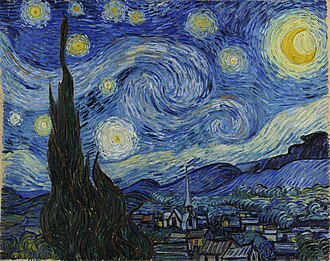 The Starry Night - Vincent van Gogh (1889)
.jpg) Café Terrace at Night - Vincent van Gogh (1888)
Café Terrace at Night - Vincent van Gogh (1888)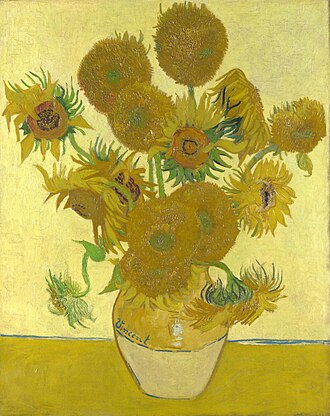 Sunflowers - Vincent van Gogh (1888)
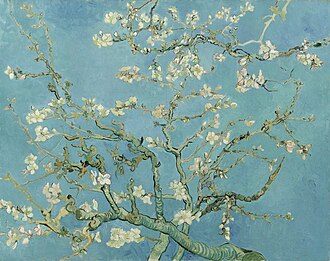 Almond Blossoms - Vincent van Gogh (1890)
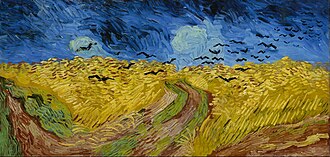 Wheatfield with Crows - Vincent van Gogh (1890)
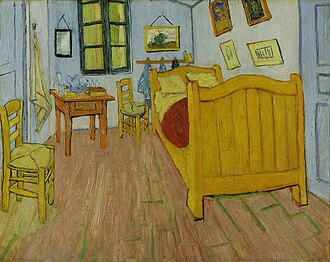 The Bedroom - Vincent van Gogh (1888)
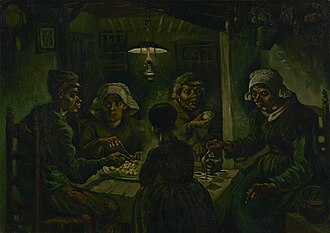 The Potato Eaters - Vincent van Gogh (1885)
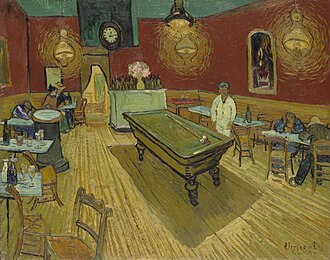 The Night Café - Vincent van Gogh (1888)
Dipinti di artisti collegati
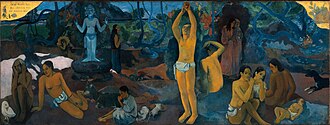 Where Do We Come From? What Are We? Where Are We Going? - Paul Gauguin (1897-1898)
%201889.jpg) Cristo giallo - Paul Gauguin (1889)
Cristo giallo - Paul Gauguin (1889)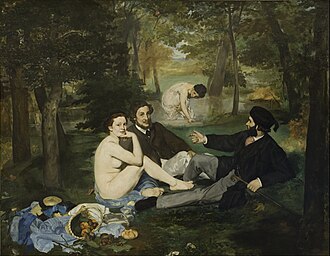 Luncheon on the Grass - Édouard Manet (1863)
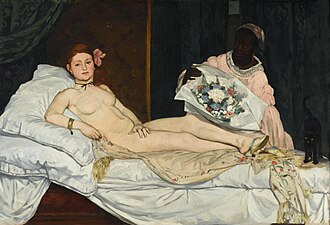 Olympia - Édouard Manet (1863)