Cows
Vincent van Gogh · 1890
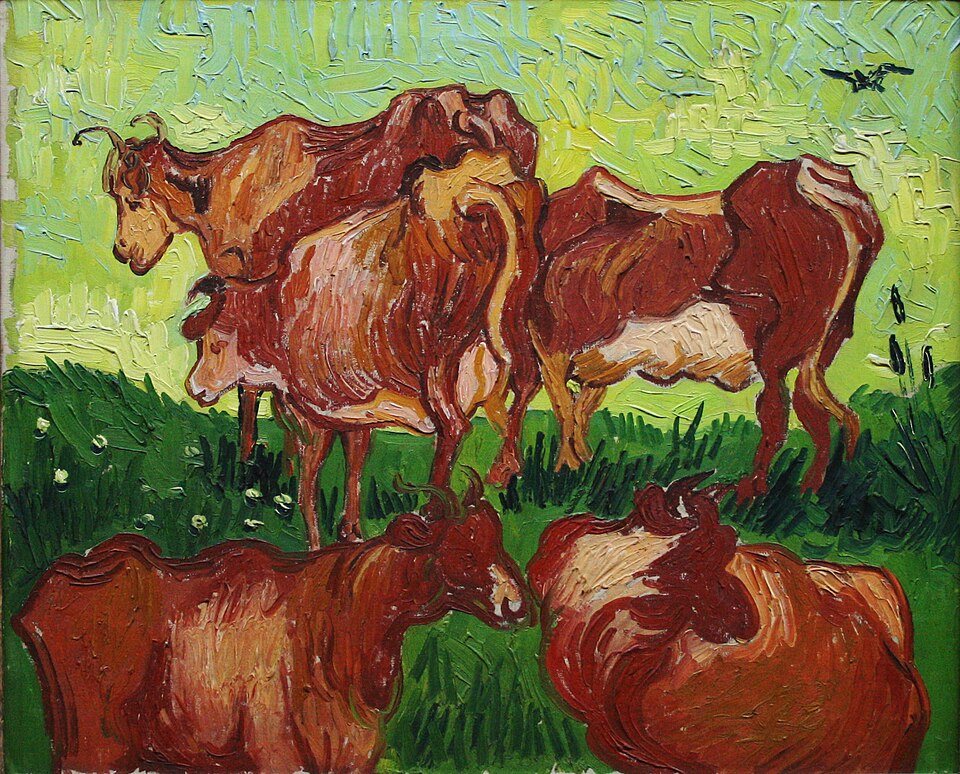
Five cows, painted in the last weeks of Van Gogh's life, copied from an etching made by the doctor who was looking after him. Some have doubted the picture ever since.
The story behind the painting
Van Gogh painted The Cows in July 1890, while staying with Doctor Gachet in Auvers-sur-Oise. It is one of a series of copies of other artists' works he made towards the end of his life. The source was Jacob Jordaens's Study of Five Cows in the Palais des Beaux-Arts de Lille, but Van Gogh did not copy it directly: he worked from an 1873 etching of it by Gachet himself, signed with the doctor's artist name, Paul van Ryssel.
What to look for
The canvas is about 55 by 65 cm. Look for the chain of images behind it: a 17th century Flemish oil study, turned into a print by an amateur etcher, then turned back into colour by Van Gogh. The subject is simple, cows filling the picture, and the art historian Anne Distel suggests it may have been a study for a painting he had in mind. The painting is held today in Lille, next to the engraving Gachet's son donated with it.
Meaning and intent
The work sits in a delicate place. When Gachet's son offered it to Lille in 1950, inspectors of provincial museums argued it did not reflect Van Gogh's genius enough to hang in a provincial museum and proposed putting it in the Louvre's reserves. When it was shown at the Musée de l'Orangerie in 1954, the Van Gogh enthusiast Louis Anfray led a fierce dispute over its authenticity, and Benoît Landais has kept that doubt alive. Laboratory examinations found no sign of a fake, and Distel considers it more likely a minor work made in the exceptional circumstances of his last days in Auvers.
Legacy
The picture appears in the 1903 inventory of the Gachet collection by the critic Julius Meier-Graefe, under the title Les Bœufs. Paul Gachet the younger insisted it be shown in Lille, his father's birthplace, and gave it together with the etching that inspired it. In 1951 it was assigned to the Louvre and deposited at the Palais des Beaux-Arts de Lille, so it now hangs in the same museum as the Jordaens study it ultimately comes from.
Lo sapevi?
- Painted in July 1890 in Auvers-sur-Oise.
- Copied from Gachet's 1873 etching after Jordaens.
- Its authenticity was disputed from 1954, but lab tests found no sign of a fake.
- Held in the Palais des Beaux-Arts de Lille.
L'artista
Vincent van Gogh (1853-1890)
animal art · Palais des Beaux-Arts de Lille
Altre opere di Vincent van Gogh
 The Starry Night - Vincent van Gogh (1889)
 Café Terrace at Night - Vincent van Gogh (1888)
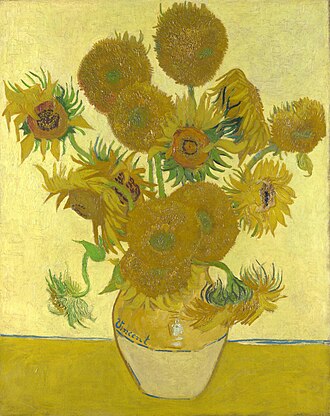 Sunflowers - Vincent van Gogh (1888)
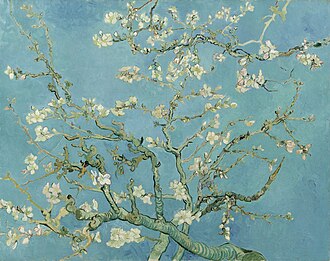 Almond Blossoms - Vincent van Gogh (1890)
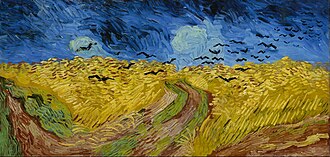 Wheatfield with Crows - Vincent van Gogh (1890)
 The Bedroom - Vincent van Gogh (1888)
 The Potato Eaters - Vincent van Gogh (1885)
 Irises - Vincent van Gogh (1889)
Dipinti di artisti collegati
 Les Grandes Baigneuses - Paul Cézanne (1900s)
 The Boy in the Red Vest - Paul Cézanne
 Where Do We Come From? What Are We? Where Are We Going? - Paul Gauguin (1897-1898)
 Cristo giallo - Paul Gauguin (1889)
 The Elevation of the Cross - Peter Paul Rubens (1609)
 The Rape of the Daughters of Leucippus - Peter Paul Rubens (1618)
 Walk on the mountain - Joaquín Sorolla (1909)
 Sad Inheritance - Joaquín Sorolla (1898)
 Dance at Le Moulin de la Galette - Pierre-Auguste Renoir (1876)
 Luncheon of the Boating Party - Pierre-Auguste Renoir (1881)
 At the Moulin Rouge - Henri de Toulouse-Lautrec (1892)
 La Toilette - Henri de Toulouse-Lautrec (1896)