La Fileuse
John William Waterhouse · 1874
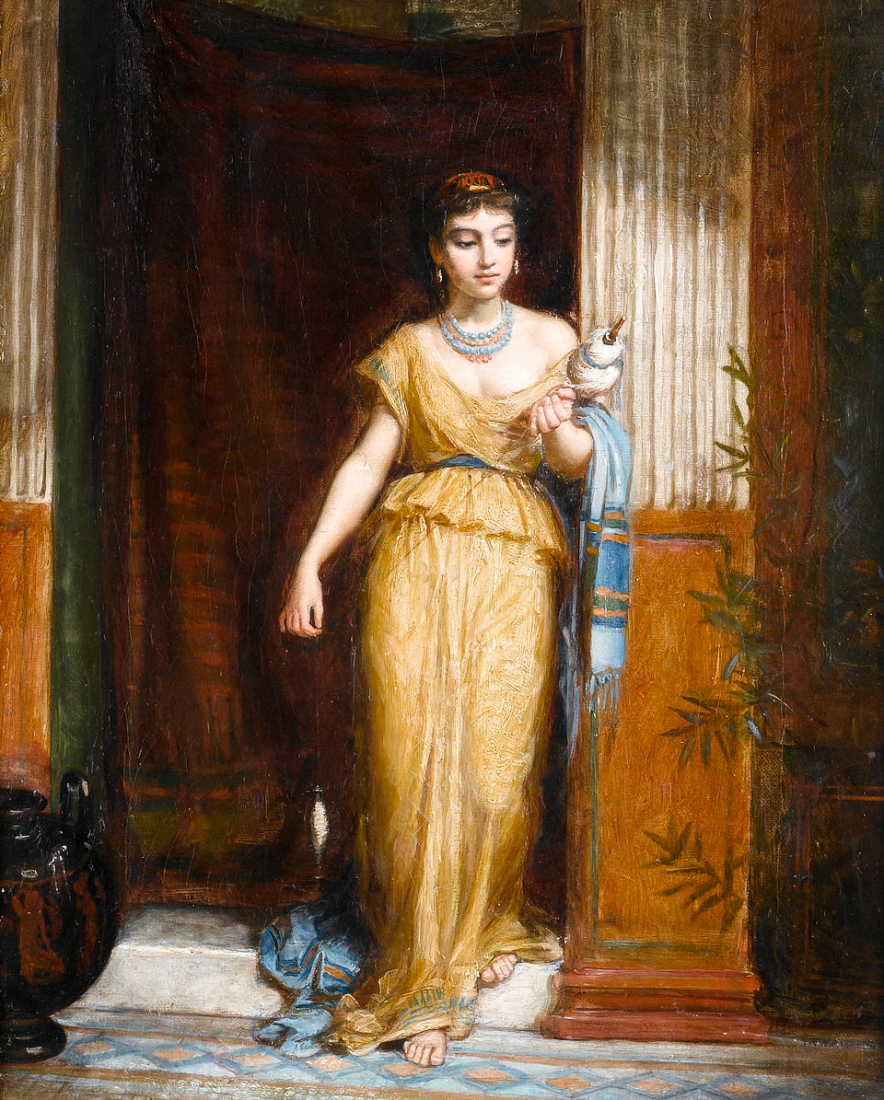
A young woman in classical dress draws fibre from her distaff, lost in thought. In this early canvas of 1874, Waterhouse may be showing Fate herself, spinning the thread of one human life.
The story behind the painting
John William Waterhouse painted La Fileuse, The Spinner, in 1874, before the period when he embraced the style and subjects of the Pre-Raphaelite Brotherhood. Here he still works in the Academic style. The title is French: fileuse is the feminine form of fileur, someone who spins thread, so la fileuse is simply a woman spinner. Wikidata records the canvas as small, about 32 by 25.5 cm. The painting was exhibited in London at the Royal Society of British Artists in the spring of 1874, the same year it was made.
What to look for
Look at her hands and her left arm. Under the arm she holds a distaff, the tool that keeps unspun fibres from tangling and makes spinning easier. With her fingers she guides the loose fibres down to the spindle, where they are twisted into thread. She wears classical drapery, her hair is pinned back, and her stare is pensive and turned inward. Nothing else distracts from the slow, steady action of the work, and the quiet of the scene comes from that single repeated gesture.
Meaning and intent
The woman can be read as Fate, spinning the thread of destiny of a single person. She can be interpreted as Clotho, one of the Three Fates of mythology, who spun the thread of life. Seen this way, an ordinary household task becomes something solemn: each turn of the spindle measures out a life. The calm face and lowered gaze suit that reading, since she seems absorbed not in the craft itself but in what it means. The source offers this as an interpretation rather than a stated intention of the artist.
Legacy
La Fileuse is very typical of Waterhouse: a lone woman in classical clothing, hair pinned back, with a thoughtful stare. The same motif returns throughout his career, in Gone, But Not Forgotten, Miranda, Circe Offering the Cup to Ulysses, The Lady of Shalott Looking at Lancelot, A Mermaid and all his paintings of Ophelia. In 1991, in Italy, the painting came from the collection of Claudio Bruni Sakraischik of the Galleria La Medusa, co-founder of the Giorgio and Isa de Chirico foundation. It passed through the Bonhams auction house in 2010 and remains in a private collection.
Le saviez-vous ?
- Painted by John William Waterhouse in 1874.
- Exhibited at the Royal Society of British Artists, spring 1874.
- The spinner may be read as Clotho, one of the Three Fates.
- Now in a private collection.
À propos de l'artiste
John William Waterhouse (1849-1917)
Autres œuvres de John William Waterhouse
 Hylas et les nymphes - John William Waterhouse (1896)
 The Lady of Shalott - John William Waterhouse (1888)
 Écho et Narcisse - John William Waterhouse (1903)
 Circe Invidiosa - John William Waterhouse (1892)
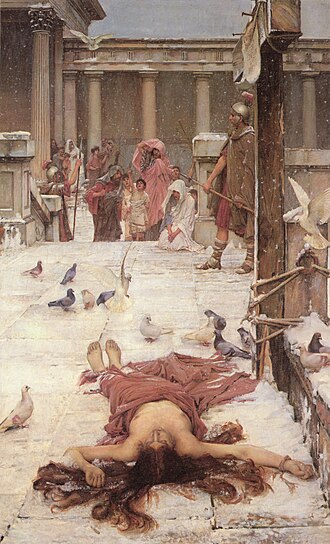 Sainte Eulalie - John William Waterhouse (1885)
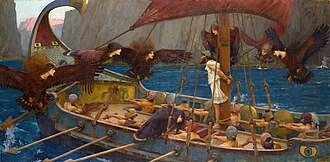 Ulysse et les sirènes - John William Waterhouse (1891)
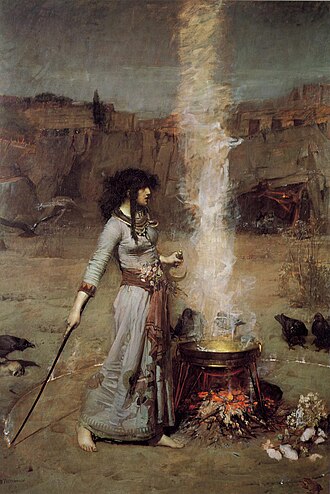 Le Cercle magique - John William Waterhouse (1886)
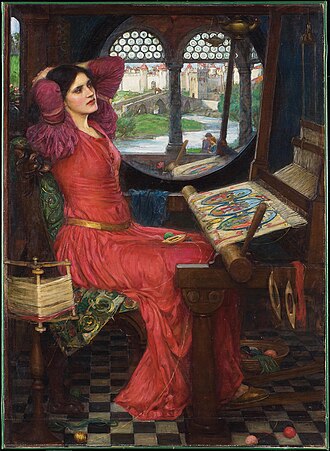 "I am half sick of shadows" said the Lady of Shalott - John William Waterhouse (1916)
Œuvres d'artistes liés
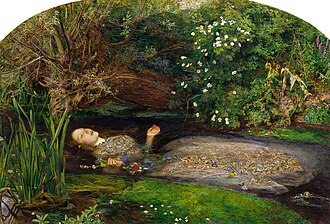 Ophélie - John Everett Millais (1851)
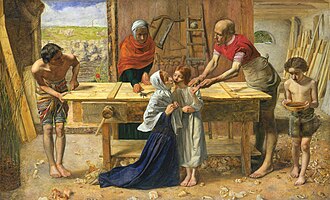 Le Christ dans la maison de ses parents - John Everett Millais (1849)
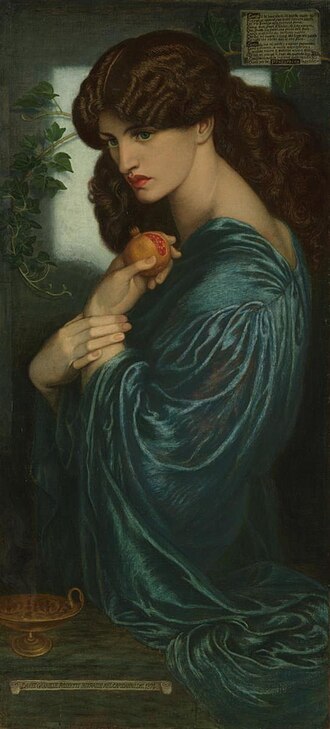 Perséphone - Dante Gabriel Rossetti (1874)
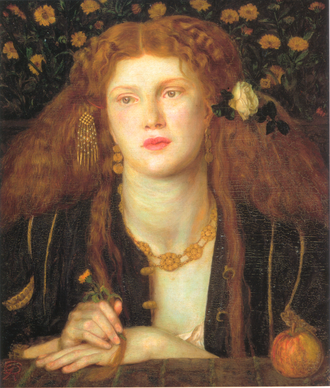 Bocca Baciata - Dante Gabriel Rossetti (1859)