Salomé bailando ante Herodes
Gustave Moreau · 1876
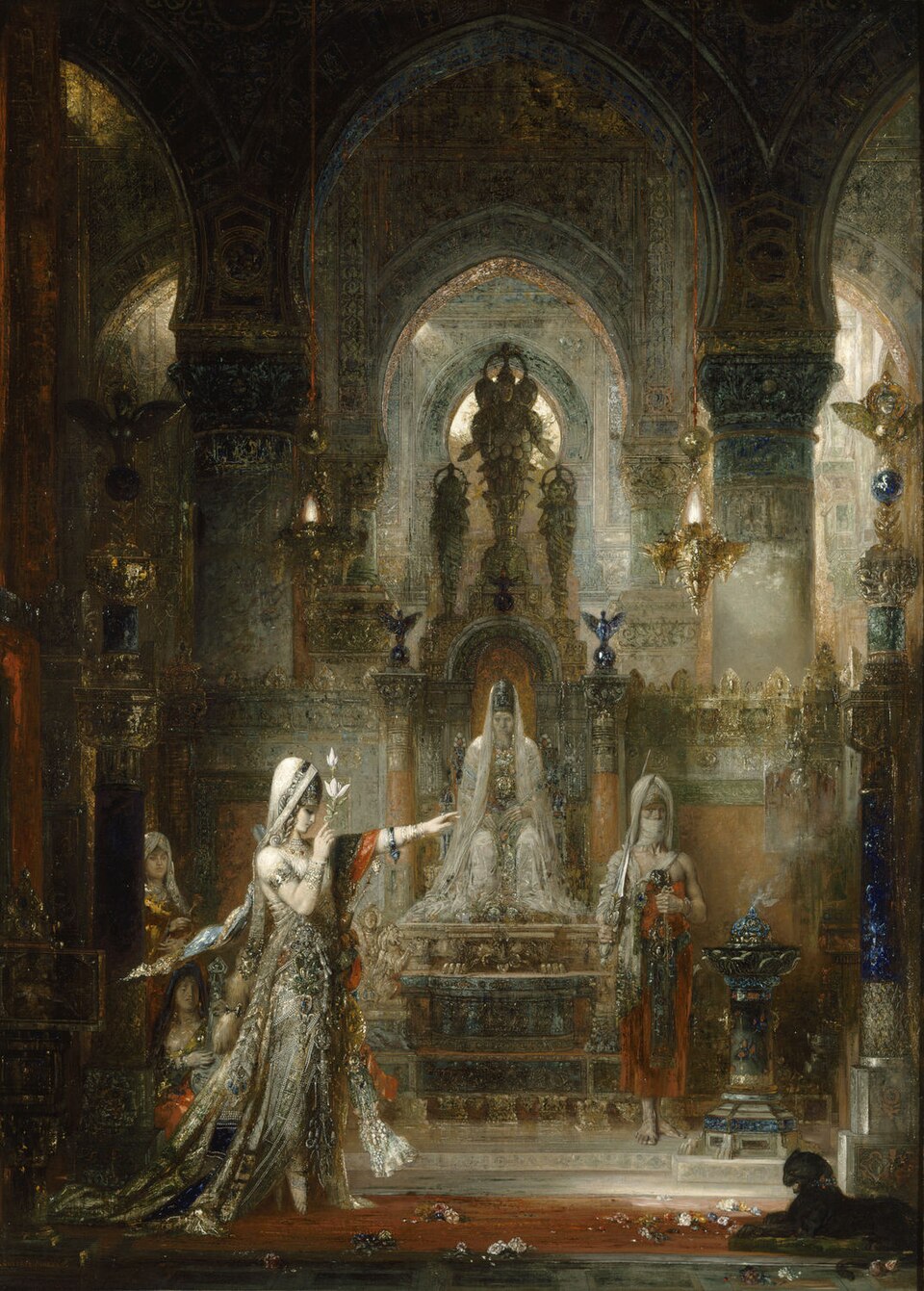
In a palace thick with jewels and carved stone, Salome rises on her toes with a lotus in her hand. She seems frozen rather than dancing. Moreau spent seven years on this canvas, and it set off a Salome craze that lasted into the next century.
The story behind the painting
Gustave Moreau took seven years to paint this picture, finishing it in 1876. It caused a sensation when it was first shown in Paris at the Salon of 1876 and is arguably his most important work. The story comes from the Gospel of Mark. At his birthday feast, King Herod Antipas was so pleased by the dance of Herodias's daughter that he promised her anything she asked. Prompted by her mother, she asked for the head of John the Baptist on a platter, and the king sent an executioner to the prison.
What to look for
The setting is a magnificent, extraordinarily ornate palace. Salome stands on the tips of her toes in a sumptuously jewelled costume, a lotus flower in her right hand, her left arm stretched out in a rigid gesture. She appears frozen, or at most moving in a dead march. In the middle sits Herod on his throne, facing forward, with an executioner standing on the right and a musician and Herodias on the left. Look at the architecture: it has been linked to the Hagia Sophia, the Alhambra, the Mosque-Cathedral of Cordoba and medieval cathedrals.
Meaning and intent
The most astonishing element is the fusion of cultures. Motifs from Etruscan, Roman, Egyptian, Indian and Chinese art have been identified in the picture, so the palace belongs to no single real place. The New Testament never names Herod's daughter; the name Salome comes from Flavius Josephus's Antiquities of the Jews. Over the centuries she became widely known as a femme fatale. Moreau's stiff, glittering dancer, still and silent in the middle of the feast, makes the coming horror feel inevitable rather than shown.
Legacy
The subject was already fashionable in the late nineteenth century, but this painting, together with Moreau's L'Apparition series, sparked a Salome craze that lasted into the twentieth century and spread to every form of art. Oscar Wilde wrote his play Salome in 1891. The canvas is now in the Hammer Museum in Los Angeles, which in 2012 devoted a whole exhibition to it, A Strange Magic: Gustave Moreau's Salome. A painting of a single held breath became the starting point for decades of retellings.
¿Sabías que…?
- Took Moreau seven years to paint.
- Caused a sensation at the Paris Salon of 1876.
- Mixes motifs from Etruscan, Roman, Egyptian, Indian and Chinese art.
- In the Hammer Museum, Los Angeles, which gave it an exhibition in 2012.
Sobre el artista
Gustave Moreau (1826-1898)
Más obras de Gustave Moreau
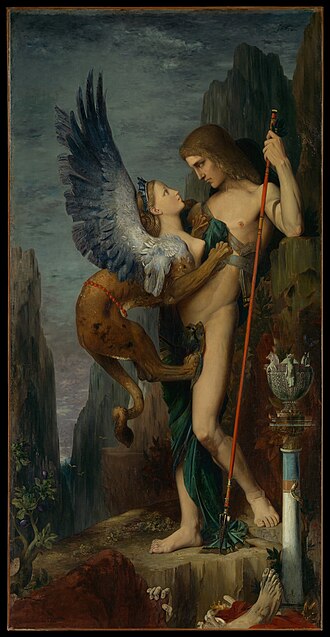 Edipo y la esfinge - Gustave Moreau (1864)
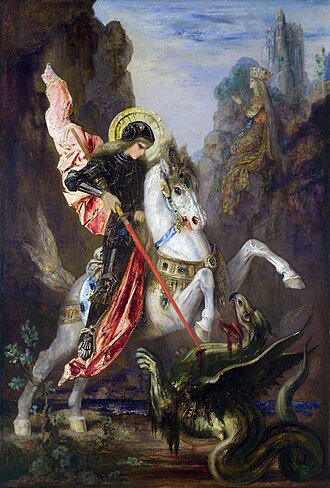 San Jorge - Gustave Moreau (1880s)
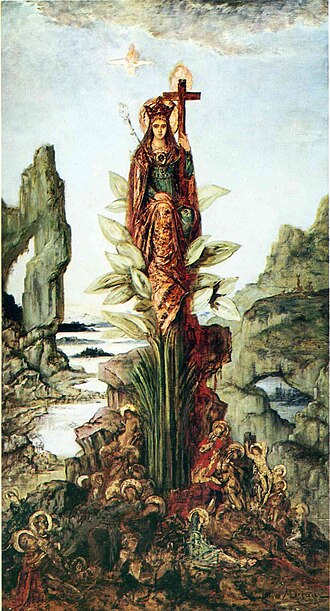 Flor Mística - Gustave Moreau (1890)
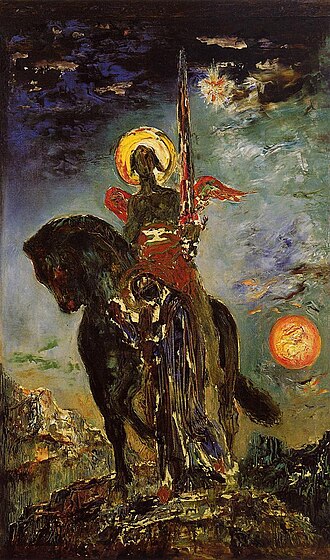 La Parca y el Ángel de la Muerte - Gustave Moreau (1890)
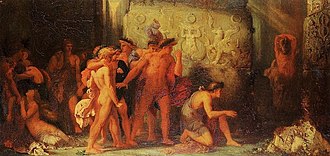 Athenians being Delivered to the Minotaur in the Cretan Labyrinth - Gustave Moreau (1855)
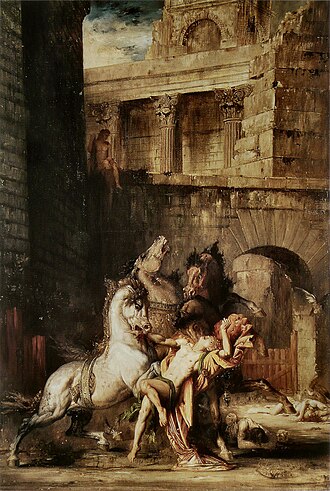 Diomedes devorado por sus caballos - Gustave Moreau (1865)
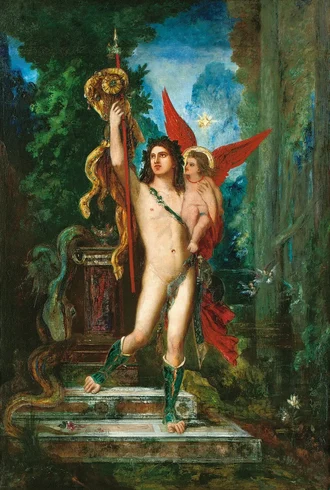 Jasón y Eros - Gustave Moreau (1891)
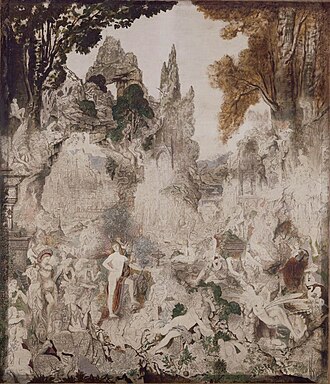 Les Chimères - Gustave Moreau (1884)
Obras de artistas relacionados
 Pollice verso - Jean-Léon Gérôme (1872)
 El mercado de esclavos - Jean-Léon Gérôme (1866)
 Almuerzo sobre la hierba - Édouard Manet (1863)
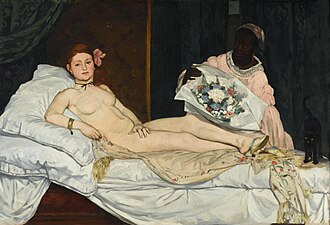 Olympia - Édouard Manet (1863)
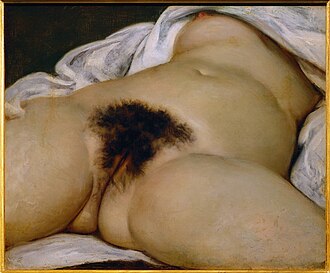 El origen del mundo - Gustave Courbet (1866)
 Entierro en Ornans - Gustave Courbet (2020)
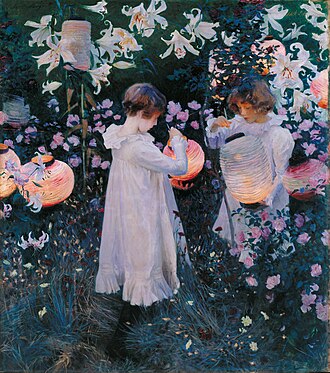 Clavel, lirio, lirio, rosa - John Singer Sargent (1885-1886)
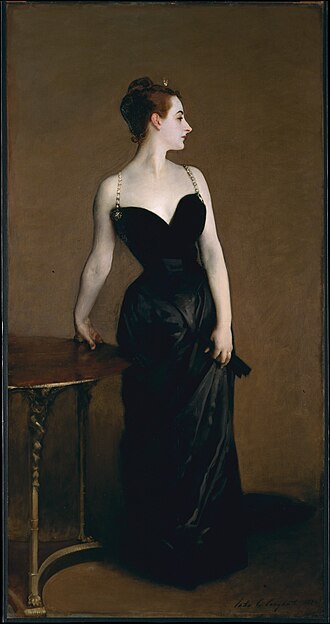 Retrato de Madame X - John Singer Sargent (1884)
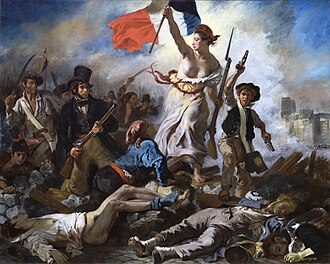 La Libertad guiando al pueblo - Eugène Delacroix (1830)
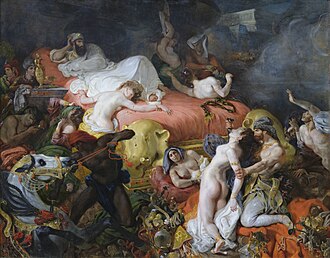 La muerte de Sardanápalo - Eugène Delacroix (1827)
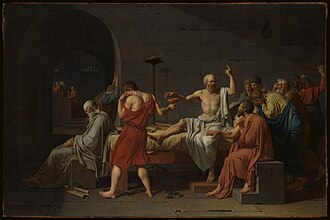 La muerte de Sócrates - Jacques-Louis David (1787)
 Juramento de los Horacios - Jacques-Louis David (1784)