El mercado de esclavos
Jean-Léon Gérôme · 1866
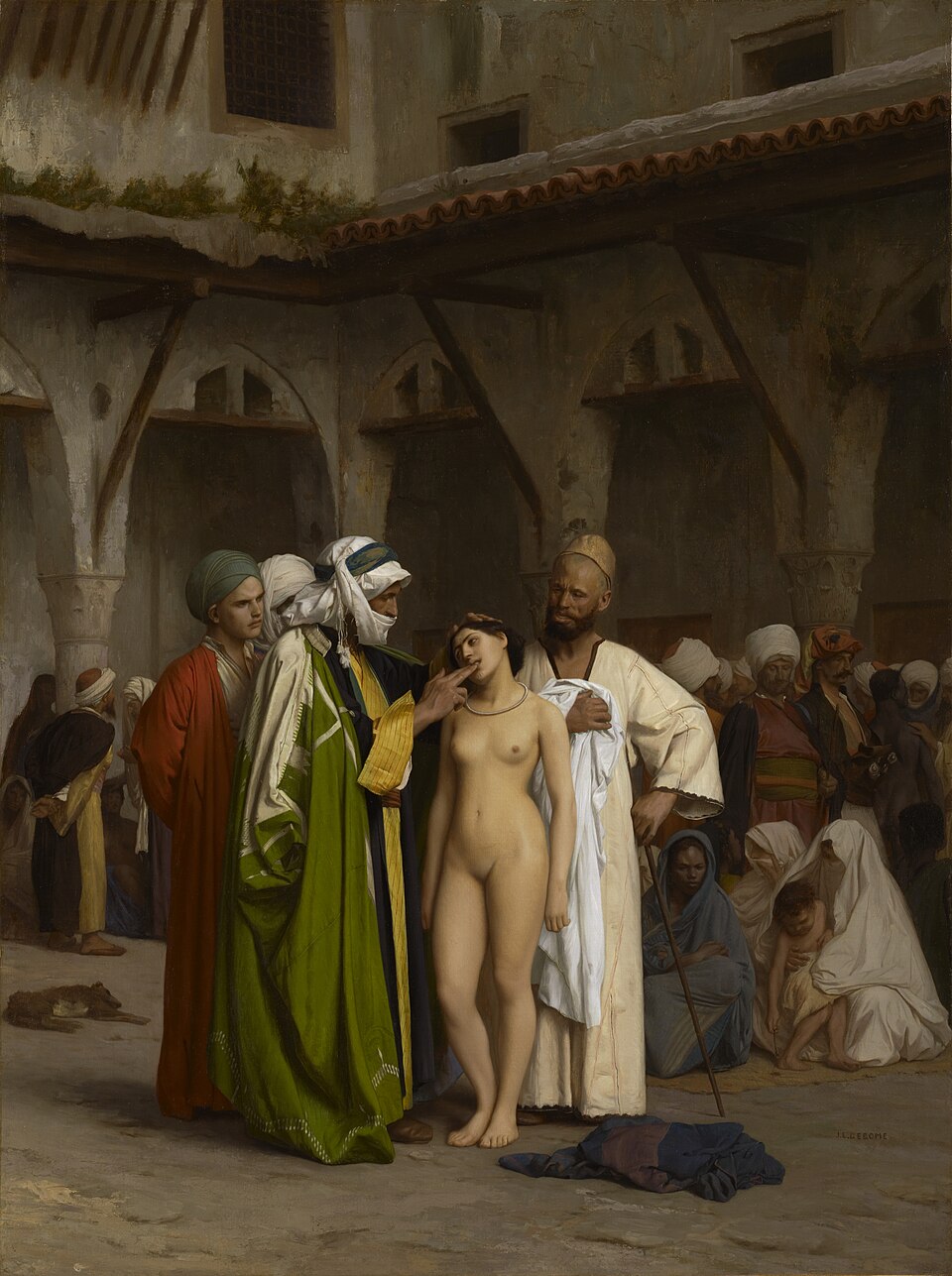
A woman stands naked and silent in a courtyard while a buyer pushes his fingers into her mouth to check her teeth. Gérôme's Slave Market of 1866 is one of the most famous and most troubling images of 19th-century Orientalist art.
The story behind the painting
Jean-Léon Gérôme painted The Slave Market in 1866. It shows a West Asian or North African setting in which a man inspects the teeth of a nude female slave, described as Abyssinian, in the context of the Barbary slave trade. The art dealer Adolphe Goupil bought it on 23 August 1866, and it was shown at the Paris Salon of 1867. The theme was not new for Gérôme. In 1857 he had painted a very similar scene, Buying a Slave, set in the ancient Greek or Roman world, where differences of race between buyer, seller and slave were less visible.
What to look for
The woman stands at the centre, exposed and passive, while the man in front of her treats her as goods to be checked. Around them are buyers, merchants and a crowd in a courtyard. Look into the background: there, other buyers are inspecting a nude, dark-skinned man. In all of Gérôme's slave-market pictures a woman or women are for sale, with men as buyers or sellers, and the skin colour of those enslaved varies from picture to picture, as in his Slave Market of 1871. The canvas is small, about 85 by 64 cm, painted with the polished detail of academic art.
Meaning and intent
The writer Maxime Du Camp, who had travelled widely in the Near East, reviewed the painting at the 1867 Salon. He placed the scene in Cairo's slave market and called it a scene done on the spot. He described the seller as a brigand used to every kind of violence, and the young woman as submissive and resigned, a passivity he thought the painter had rendered with great skill. Modern art history reads the image differently, through questions of race, religion, gender and sexuality: it is a European fantasy of the East in which men appear only in brutal and sexual relations.
Legacy
The painting changed hands several times until Robert Sterling Clark bought it in 1930, and since 1955 it has belonged to the Clark Art Institute in Williamstown, Massachusetts. With Gérôme's The Snake Charmer, also at the Clark, it has become an iconic example of 19th-century Orientalist art. Its power to provoke has not faded. In 2019 the German party Alternative for Germany used it in a European election advert with anti-immigrant slogans. Deutsche Welle reported that it was used with racist intent, and the Clark Art Institute strongly denounced the party's use of the painting.
¿Sabías que…?
- Painted in 1866 and shown at the Paris Salon of 1867.
- Maxime Du Camp placed the scene in Cairo's slave market.
- In the Clark Art Institute since 1955.
- The Clark denounced its use in a 2019 political advert.
Sobre el artista
Jean-Léon Gérôme (1824-1904)
mujer · varón · escena de género · desnudo · desnudo · academicismo · gentío · comerciante · esclavo
Más obras de Jean-Léon Gérôme
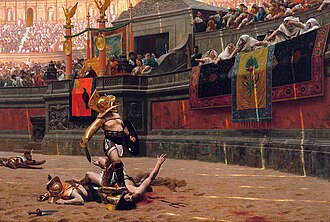 Pollice verso - Jean-Léon Gérôme (1872)
%20-%2001.jpg) Friné frente al Areópago - Jean-Léon Gérôme (1861)
Friné frente al Areópago - Jean-Léon Gérôme (1861)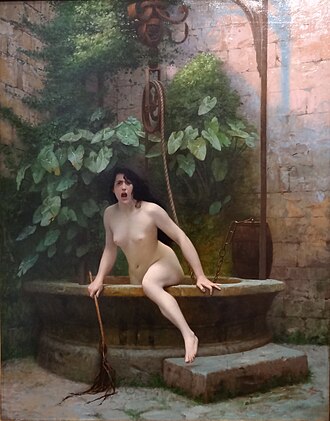 La verdad saliendo del pozo - Jean-Léon Gérôme (1896)
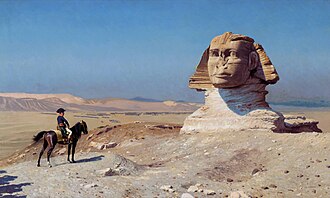 Bonaparte ante la Esfinge - Jean-Léon Gérôme (1867)
 Cleopatra y César - Jean-Léon Gérôme (1866)
 La salida del baile de máscaras - Jean-Léon Gérôme (1857)
.jpg) La Ejecución del mariscal Ney - Jean-Léon Gérôme (1868)
La Ejecución del mariscal Ney - Jean-Léon Gérôme (1868) La última oración de los mártires cristianos - Jean-Léon Gérôme (1883)
Obras de artistas relacionados
 Almuerzo sobre la hierba - Édouard Manet (1863)
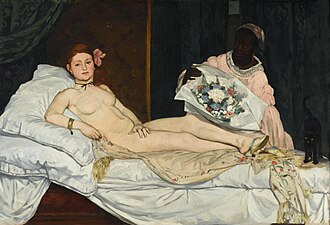 Olympia - Édouard Manet (1863)
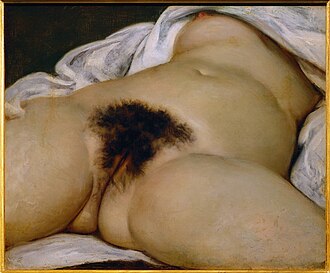 El origen del mundo - Gustave Courbet (1866)
 Entierro en Ornans - Gustave Courbet (2020)
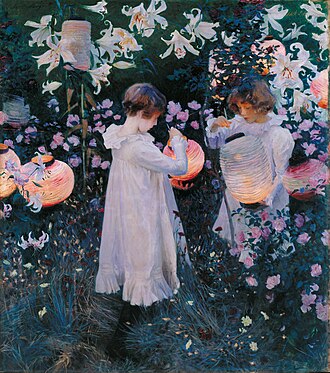 Clavel, lirio, lirio, rosa - John Singer Sargent (1885-1886)
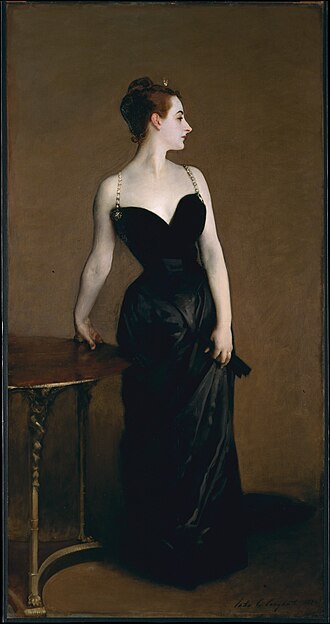 Retrato de Madame X - John Singer Sargent (1884)
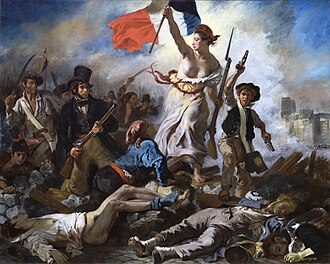 La Libertad guiando al pueblo - Eugène Delacroix (1830)
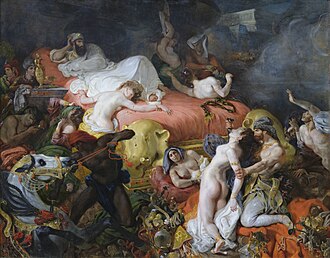 La muerte de Sardanápalo - Eugène Delacroix (1827)
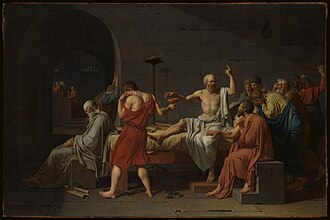 La muerte de Sócrates - Jacques-Louis David (1787)
 Juramento de los Horacios - Jacques-Louis David (1784)
 El Temerario remolcado - J. M. W. Turner (1839)
 Lluvia, vapor y velocidad. El gran ferrocarril del Oeste - J. M. W. Turner (1844)