Portrait of Daniele Barbaro
Paolo Veronese · 1565
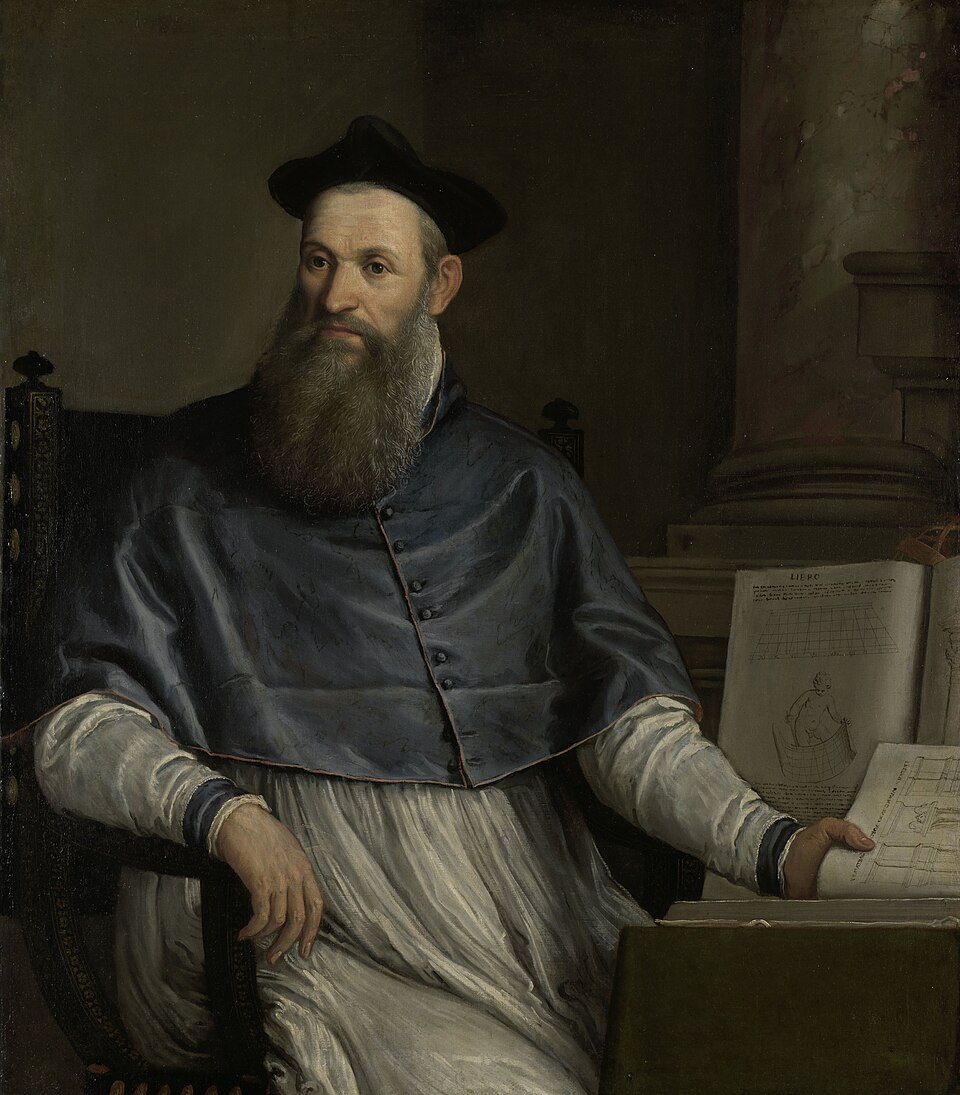
A Venetian prelate sits with his own books beside him, one on perspective and one on ancient architecture. Veronese painted the man who had brought him to decorate a villa by Palladio.
The story behind the painting
Daniele Barbaro belonged to the Venetian aristocracy. He was an important prelate, a humanist and a theorist of architecture, and he commissioned a number of works from Paolo Veronese. The painter had worked directly with Daniele and his brother Marcantonio, decorating the Villa Barbaro at Maser, which Andrea Palladio designed. Wikipedia dates this portrait to about 1556 to 1557, while Wikidata gives 1565; the article itself notes that the picture may be linked to a second, Latin edition of Barbaro's commentary on Vitruvius published in the 1560s.
What to look for
Barbaro, Patriarch of Aquileia, is dressed as a bishop and sits in the audience posture normally reserved for popes and cardinals. On the table, one book stands upright: La Practica della Perspettiva, his own treatise on perspective in art. The other volume is his commentary on Vitruvius's De architectura, with illustrations by Palladio. The canvas measures about 118 by 104 cm, large enough to give the sitter and his books real presence.
Meaning and intent
The books turn the portrait into a statement of who Barbaro was: not only a churchman but an author and a thinker about how to see and how to build. His commentary on Vitruvius was first published in Italian in 1556. The posture carries a hint too. From 1561 Barbaro was a cardinal, though the appointment was made in pectore, kept secret, so the pose quietly claims a rank that was not public. The source does not resolve how this fits the earlier date it gives.
Legacy
The painting is now in the Rijksmuseum in Amsterdam. Titian had portrayed Barbaro around 1545, in two versions now in the Prado and the National Gallery of Canada. For the 500th anniversary of Barbaro's birth, an exhibition in Venice in 2015 brought together the Titian from the Prado and this Veronese from the Rijksmuseum. Another Veronese portrait in the Pitti Palace in Florence has been described as Barbaro dressed as a Venetian aristocrat, but that identification is not certain.
¿Sabías que…?
- Painted by Paolo Veronese, about 1556 to 1557 according to Wikipedia.
- Shows Barbaro's own books on perspective and on Vitruvius.
- Reunited with Titian's portrait of Barbaro in Venice in 2015.
- Now in the Rijksmuseum, Amsterdam.
Sobre el artista
Paolo Veronese (1528-1588)
retrato · escuela veneciana · manierismo · Rijksmuseum · Stichting Nederlands Kunstbezit
Más obras de Paolo Veronese
 Las bodas de Caná - Paolo Veronese (1560s)
 Cena en casa de Leví - Paolo Veronese (1573)
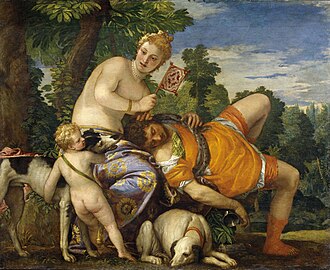 Venus y Adonis - Paolo Veronese (1580)
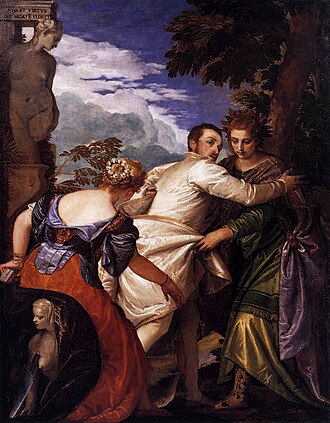 Alegoría de la Virtud y el Vicio - Paolo Veronese (1565)
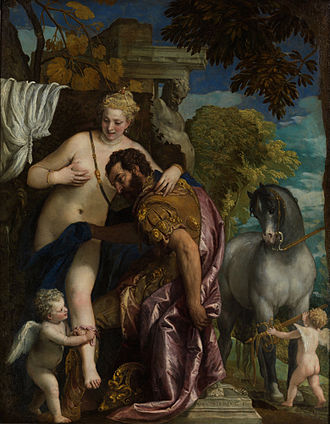 Marte y Venus unidos por Amor - Paolo Veronese (1570s)
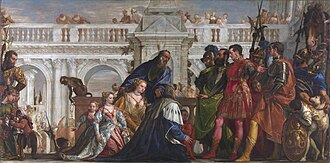 The Family of Darius Before Alexander - Paolo Veronese (1565)
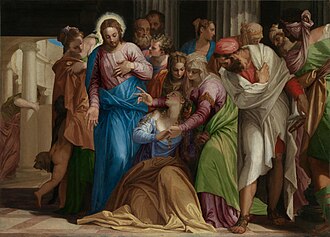 The Conversion of Mary Magdalene - Paolo Veronese (1548)
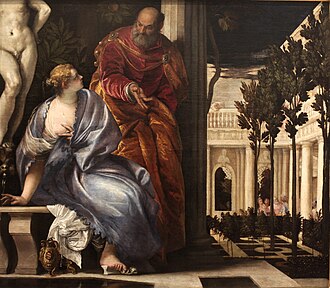 Bathsheba at Her Bath - Paolo Veronese (1575)
Obras de artistas relacionados
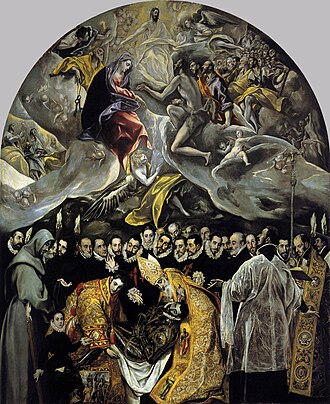 El entierro del Conde de Orgaz - El Greco (1586)
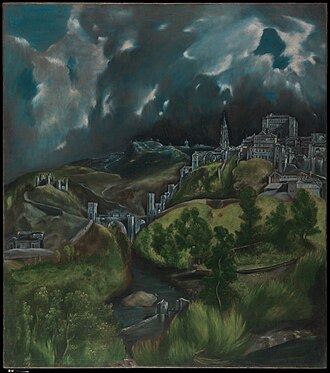 Vista de Toledo - El Greco (1596)
 La Última Cena - Jacopo Tintoretto (1563)
 San Marcos liberando al esclavo - Jacopo Tintoretto (1540s)
 Venus de Urbino - Titian (1538)
 La Asunción de la Virgen - Titian (1510s)
 La cena de Emaús - Caravaggio (1601)
 La vocación de San Mateo - Caravaggio (1609)
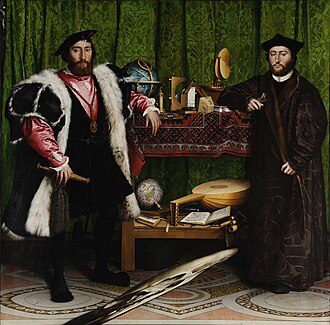 Los embajadores - Hans Holbein the Younger (1533)
 El cuerpo de Cristo en la tumba - Hans Holbein the Younger (1520s)