The Escape of a Heretic, 1559
John Everett Millais · 1856
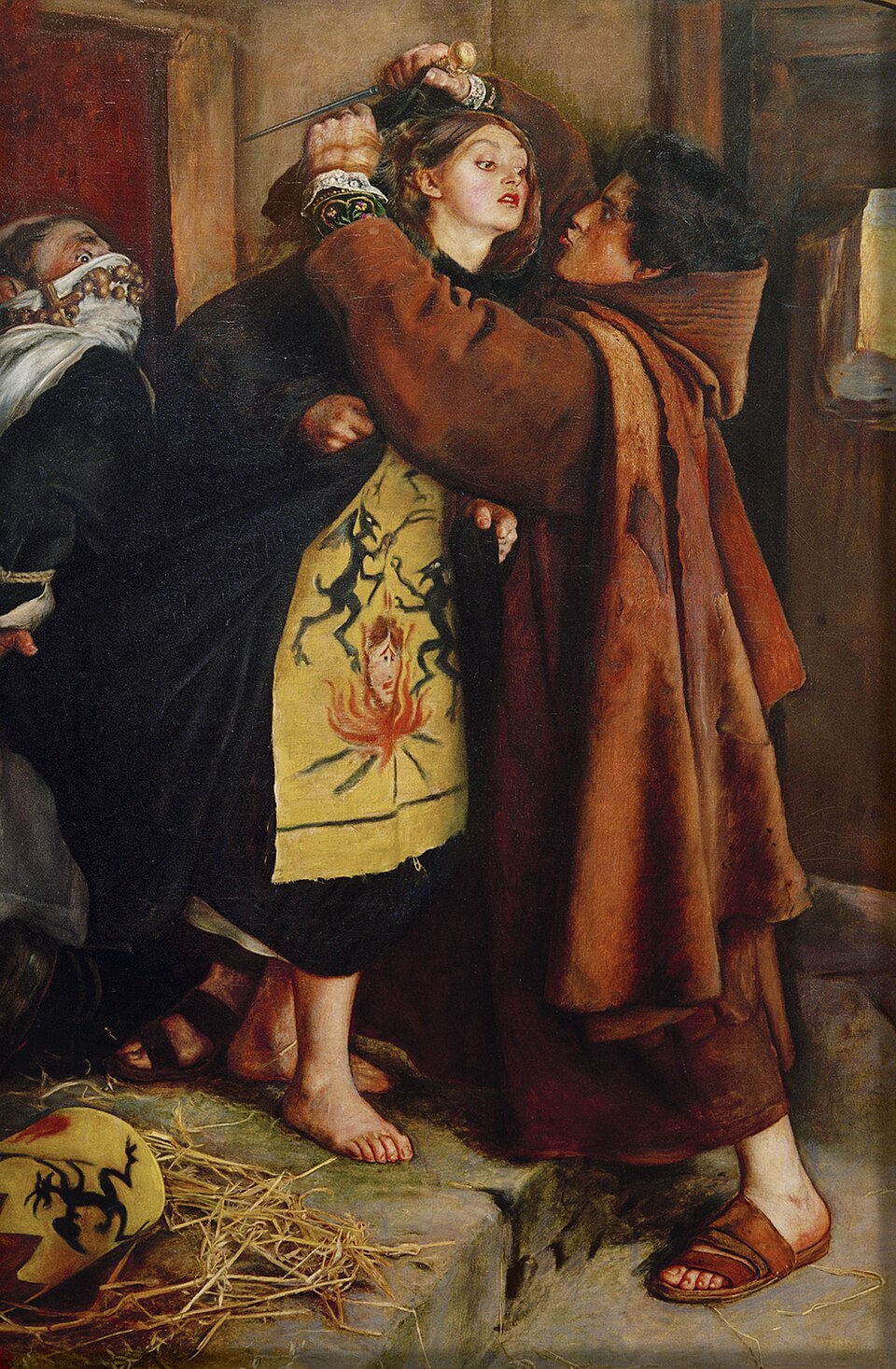
A man disguised as a friar slips into a prison to steal away the woman he loves, condemned as a heretic by the Spanish Inquisition. Millais imagined a rescue full of danger, and later viewers were told it really happened.
The story behind the painting
Millais found the idea in the autumn of 1855, when he and his new wife Effie Gray were staying with Mr W. Stirling at Keir in Scotland. Stirling owned a collection of material about the Spanish Inquisition. Millais meant the new picture to be a pendant, a companion piece, to his earlier A Huguenot, on St. Bartholomew's Day, of 1851 to 1852. He worked on it in the winter of 1856 in Perth, alongside A Dream of the Past: Sir Isumbras at the Ford, and finished it in the spring of 1857 in rooms he and Effie had taken in Savile Row, London.
What to look for
The painting shows a man disguised as a friar rescuing his lover, a woman imprisoned by the Inquisition as a heretic. Millais grounded the scene in real places and people. For the setting he used a staircase in Balhousie Castle in Perth, and the model for the monk and lover was a young gamekeeper in the service of a Mr Condie. As you look, notice how the drama turns on disguise: the habit that should signal the Church's authority is the very thing that hides the rescuer and lets the condemned woman pass. The sources do not record its size.
Meaning and intent
Like A Huguenot, the picture is about love tested by religious persecution, and the two works were conceived to hang as a pair. When it was shown again in 1898, it carried a long text presented as a deposition from the Inquisition records of Valladolid in 1584: a friar testified that a hooded stranger had gagged and bound him in a prisoner's cell, dressed her in his habit, and led her out unseen before she could be burned. The source states that this quotation was fictional, so the painting's story was dressed up as history after the fact. Note also that the title says 1559, while the invented text gives 1584.
Legacy
The painting was first shown at the Royal Academy Exhibition of 1857, together with two other works by Millais. After his death it hung in the Royal Academy's Winter Exhibition of his works, from January to March 1898, then owned by Sir William Houldsworth. It has been in the Museo de Arte de Ponce in Puerto Rico since at least 1974, the year it travelled to the Massachusetts Institute of Technology. From October 2022 to February 2024 it was shown at the Metropolitan Museum of Art in New York in an exhibition of Victorian masterpieces from Ponce.
Did you know?
- Painted 1856 to 1857 as a companion to A Huguenot.
- A Balhousie Castle staircase served as the setting.
- Shown in 1898 with a fictional Inquisition document.
- In the Museo de Arte de Ponce since at least 1974.
About the artist
John Everett Millais (1829-1896)
More by John Everett Millais
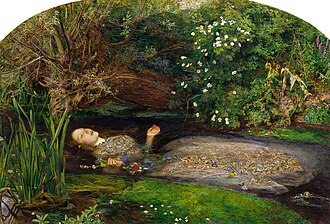 Ophelia - John Everett Millais (1851)
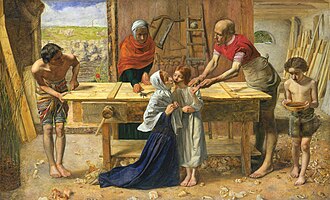 Christ in the House of His Parents - John Everett Millais (1849)
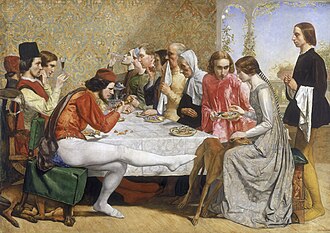 Isabella - John Everett Millais (1849)
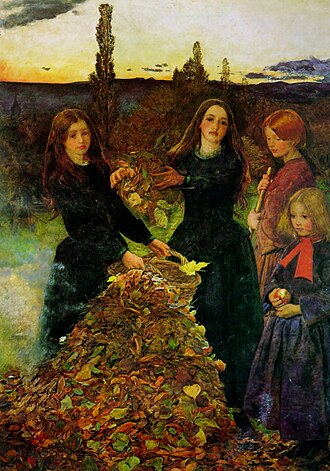 Autumn Leaves - John Everett Millais (1856)
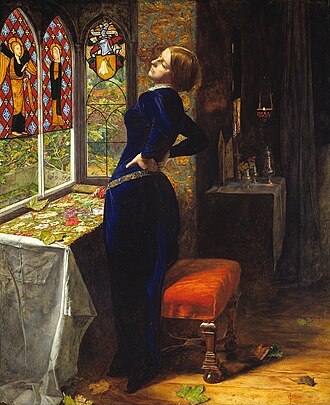 Mariana - John Everett Millais (1851)
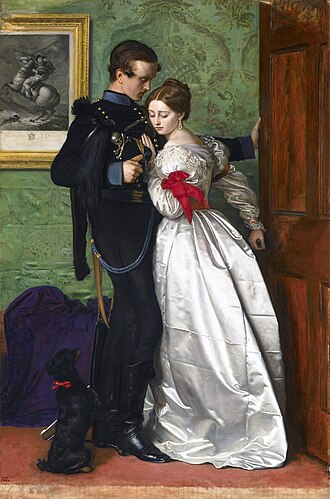 The Black Brunswicker - John Everett Millais (1860)
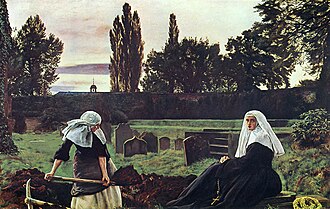 The Vale of Rest - John Everett Millais (1850s)
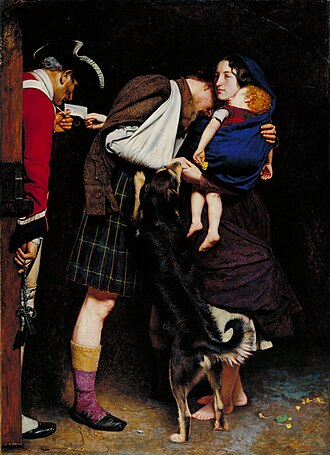 The Order of Release - John Everett Millais (1850s)
Paintings by related artists
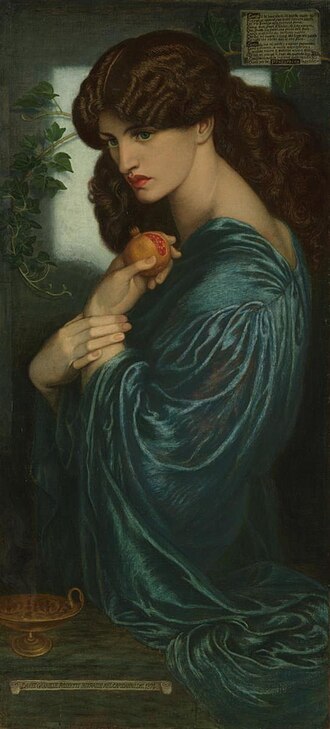 Proserpine - Dante Gabriel Rossetti (1874)
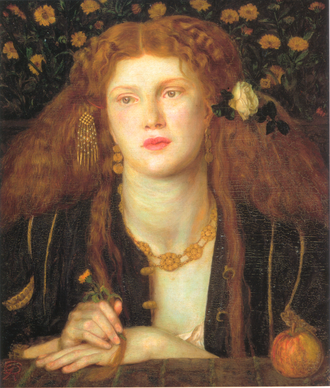 Bocca Baciata - Dante Gabriel Rossetti (1859)
 Hylas and the Nymphs - John William Waterhouse (1896)
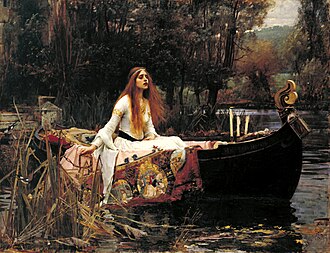 The Lady of Shalott - John William Waterhouse (1888)