Portrait of Père Tanguy
Vincent van Gogh · 1887
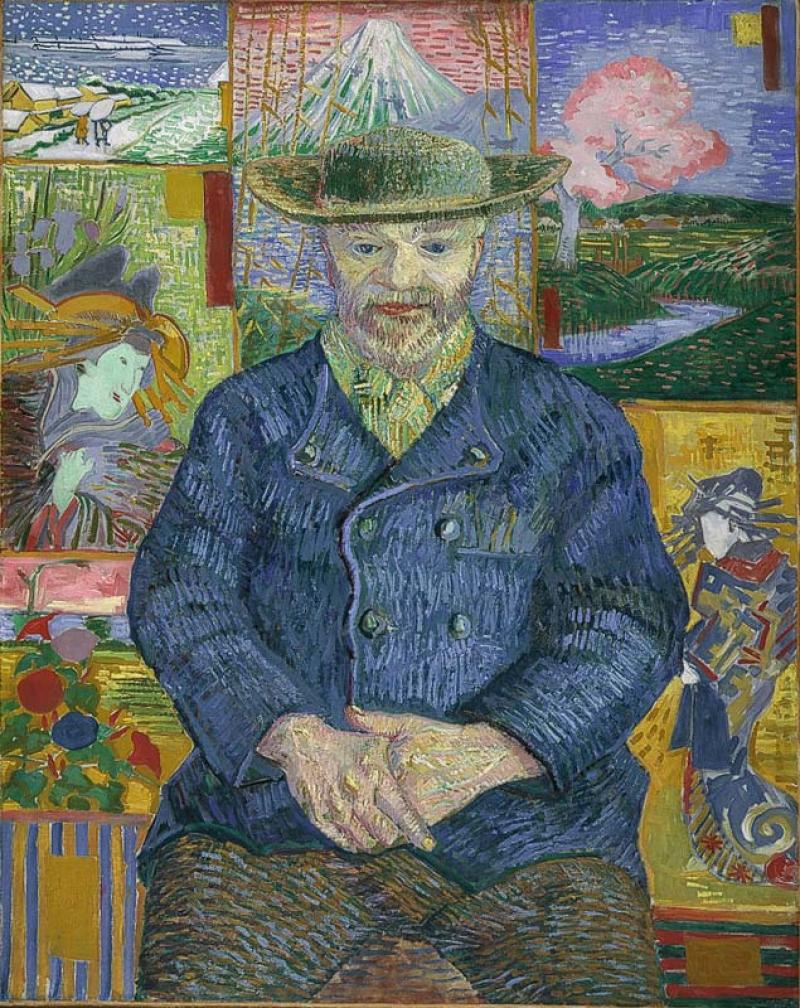
A serene and contemplative portrait of Julien Tanguy, a father figure to many artists in Paris, painted by Vincent van Gogh in 1887.
The story behind the painting
In 1886, Vincent van Gogh moved to Paris to live with his brother Theo, a Parisian art dealer. There, he was exposed to Impressionists, Symbolists, Pointillists, and Japanese art, which greatly influenced his style. Julien Tanguy, a paint grinder and art dealer, became a father figure to many artists, including van Gogh. Tanguy's shop was a haven for artists, where he sold art supplies and showcased their work. Van Gogh painted three portraits of Tanguy, with the last one, Portrait of Père Tanguy, being the most advanced in style and color. This painting conveys a sense of serenity that van Gogh sought for himself.
What to look for
The painting features Tanguy sitting in front of a colorful wall of Japanese prints, which were sold at his shop. On top of Tanguy's hat is Mount Fuji, while Kabuki actors share the wall with cherry trees in bloom. The background is a vibrant display of colors and patterns, reflecting van Gogh's experimentation with Japanese art. Tanguy is depicted wearing a green hat and a blue jacket, with his hands clasped together in a calm and contemplative pose.
Meaning and intent
The painting represents van Gogh's search for serenity, which he described in a letter to his sister as 'having as much of this serenity as possible.' The portrait of Tanguy embodies this sense of calm and tranquility, with historian Naomi Maurer describing him as having the 'iconic tranquility of Buddha.' The Japanese prints in the background symbolize van Gogh's fascination with Japanese art and culture.
Legacy
The Portrait of Père Tanguy is one of the most famous paintings of Julien Tanguy, a key figure in the Parisian art scene. The painting is now part of the permanent collection at the Musée Rodin in Paris, after being owned by sculptor Auguste Rodin. Van Gogh's innovative style and use of color in this painting have made it a celebrated work of Post-Impressionism.
Did you know?
- The painting measures 92 × 73 cm.
- It is one of three portraits of Julien Tanguy painted by van Gogh.
- The painting is also known for its unique blend of Japanese, Impressionist, and other influences on the Parisian artist community.
- The Musée Rodin in Paris has the painting in its permanent collection.
Wikipedia · Wikipedia - Vincent van Gogh · Wikidata
About the artist
Vincent van Gogh (1853-1890)
More by Vincent van Gogh
 The Starry Night - Vincent van Gogh (1889)
.jpg) Café Terrace at Night - Vincent van Gogh (1888)
Café Terrace at Night - Vincent van Gogh (1888)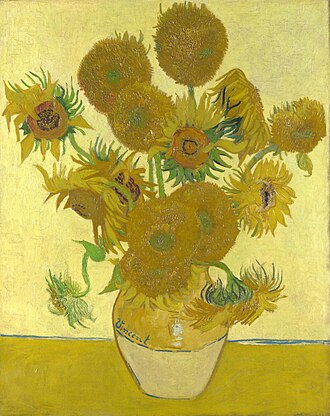 Sunflowers - Vincent van Gogh (1888)
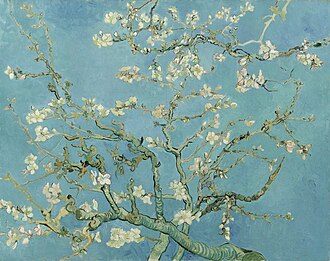 Almond Blossoms - Vincent van Gogh (1890)
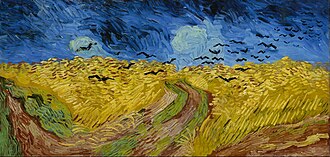 Wheatfield with Crows - Vincent van Gogh (1890)
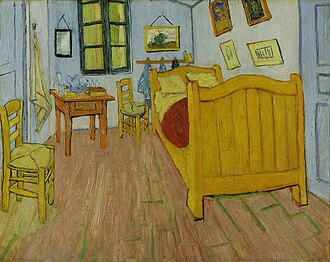 The Bedroom - Vincent van Gogh (1888)
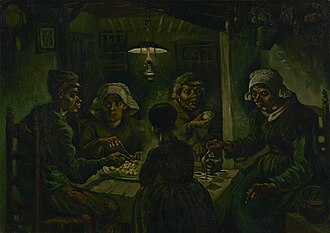 The Potato Eaters - Vincent van Gogh (1885)
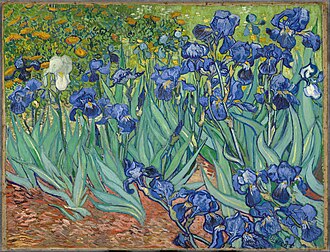 Irises - Vincent van Gogh (1889)
Paintings by related artists
 Where Do We Come From? What Are We? Where Are We Going? - Paul Gauguin (1897-1898)
%201889.jpg) The Yellow Christ - Paul Gauguin (1889)
The Yellow Christ - Paul Gauguin (1889)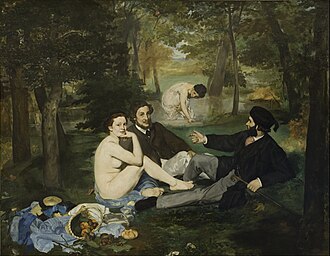 Luncheon on the Grass - Édouard Manet (1863)
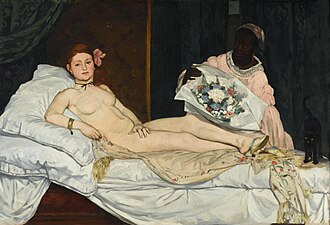 Olympia - Édouard Manet (1863)