The Potato Eaters
Vincent van Gogh · 1885
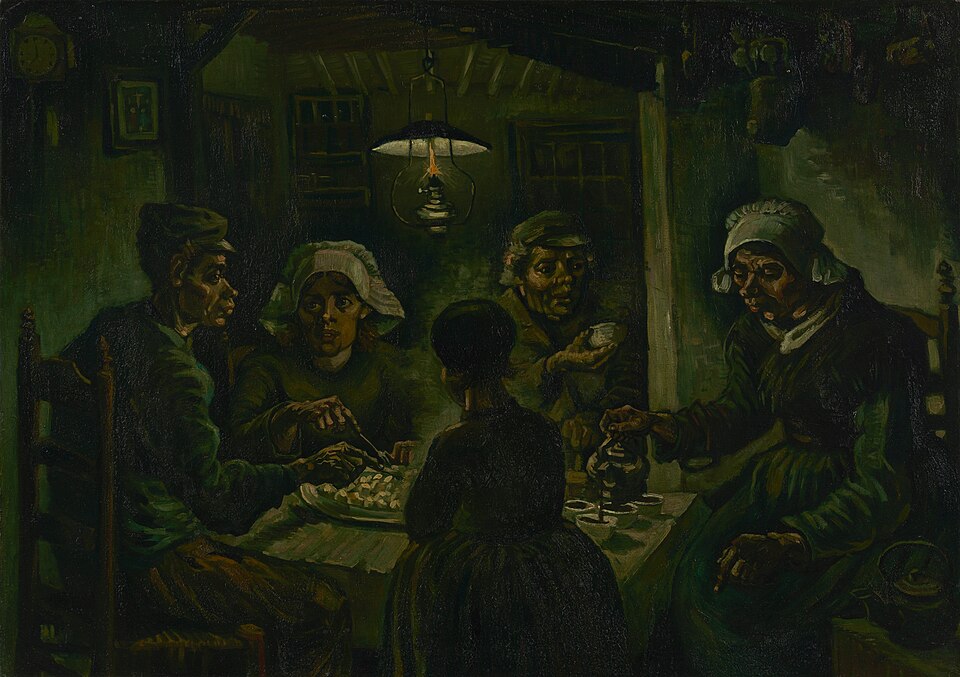
A powerful and poignant portrayal of rural life, Vincent van Gogh's 'The Potato Eaters' is a masterpiece of Post-Impressionism that continues to captivate art lovers with its rich colors and evocative storytelling.
The story behind the painting
In April to May of 1885, Vincent van Gogh painted 'The Potato Eaters' while living with his parents in Nuenen, a rural town in the Netherlands. The painting depicts a group of peasants gathered around a table, eating potatoes and drinking coffee by the light of a single lamp. Van Gogh was inspired by the lives of the working-class people in the area and sought to capture their simplicity and dignity. He wrote to his brother Theo, 'I wanted people who see it to get the idea that these folk, who are eating their potatoes by the light of their little lamp, have tilled the earth themselves with these hands they are putting in the dish, and so it speaks of manual labour and-that they have thus honestly earned their food.'
What to look for
In 'The Potato Eaters,' Van Gogh's bold brushstrokes and muted colors create a somber and intimate atmosphere. The five figures are arranged around a table, their faces lit only by the warm glow of the lamp above. The composition is characterized by a sense of depth and perspective, with the figures receding into the background. Note the expressive faces and hands of the peasants, which convey a sense of weariness and contentment. The painting's earthy tones and thick textures add to its sense of rustic authenticity.
Meaning and intent
For Van Gogh, 'The Potato Eaters' was more than just a representation of rural life - it was a statement about the value of hard work and the beauty of simplicity. He believed that the peasants' way of life was authentic and honest, and he sought to capture that authenticity on canvas. The painting also reflects Van Gogh's admiration for the Hague School, a group of Dutch artists known for their somber and realistic depictions of rural life. By painting the peasants in their natural environment, Van Gogh aimed to convey a sense of respect and admiration for their way of life.
Legacy
Today, 'The Potato Eaters' is considered one of Van Gogh's masterpieces and is widely regarded as a landmark of Post-Impressionism. The painting is part of the collection at the Van Gogh Museum in Amsterdam, where it remains one of the museum's most popular attractions. The painting's influence can be seen in the work of many later artists, including the Expressionists and the Fauves. Despite being created over 130 years ago, 'The Potato Eaters' continues to captivate audiences with its powerful and poignant portrayal of rural life.
Did you know?
- The painting measures 82 × 114 cm and is one of Van Gogh's largest works from this period.
- Van Gogh made a lithograph of the composition before embarking on the painting proper.
- The painting was created in just a few weeks, from April 13 to May 1885.
- The Potato Eaters is considered one of Van Gogh's most important works from his early period.
Wikipedia · Wikipedia - Vincent van Gogh · Wikidata
About the artist
Vincent van Gogh (1853-1890)
Post-impressionism · Van Gogh Museum · family
More by Vincent van Gogh
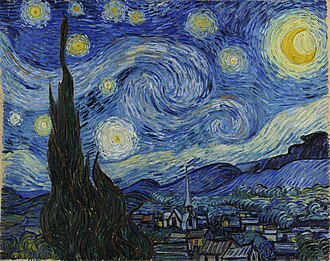 The Starry Night - Vincent van Gogh (1889)
.jpg) Café Terrace at Night - Vincent van Gogh (1888)
Café Terrace at Night - Vincent van Gogh (1888)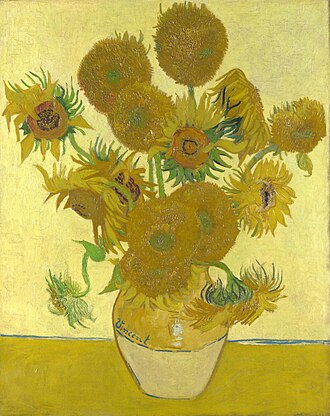 Sunflowers - Vincent van Gogh (1888)
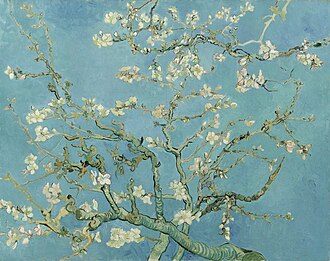 Almond Blossoms - Vincent van Gogh (1890)
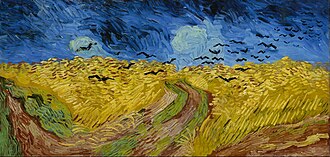 Wheatfield with Crows - Vincent van Gogh (1890)
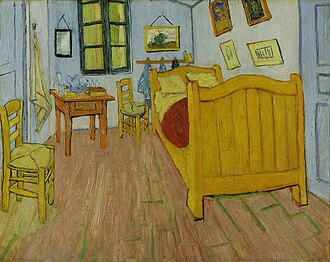 The Bedroom - Vincent van Gogh (1888)
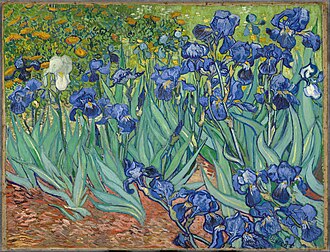 Irises - Vincent van Gogh (1889)
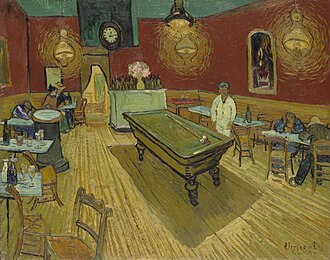 The Night Café - Vincent van Gogh (1888)
Paintings by related artists
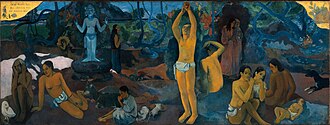 Where Do We Come From? What Are We? Where Are We Going? - Paul Gauguin (1897-1898)
%201889.jpg) The Yellow Christ - Paul Gauguin (1889)
The Yellow Christ - Paul Gauguin (1889)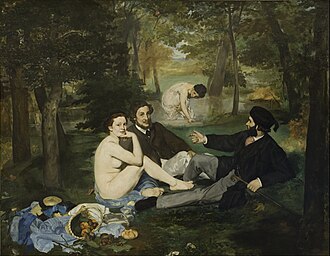 Luncheon on the Grass - Édouard Manet (1863)
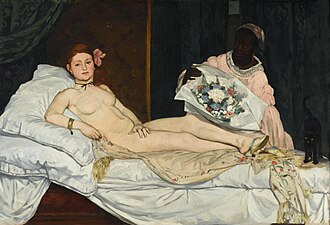 Olympia - Édouard Manet (1863)