Peasant Woman Against a Background of Wheat
Vincent van Gogh · 1890
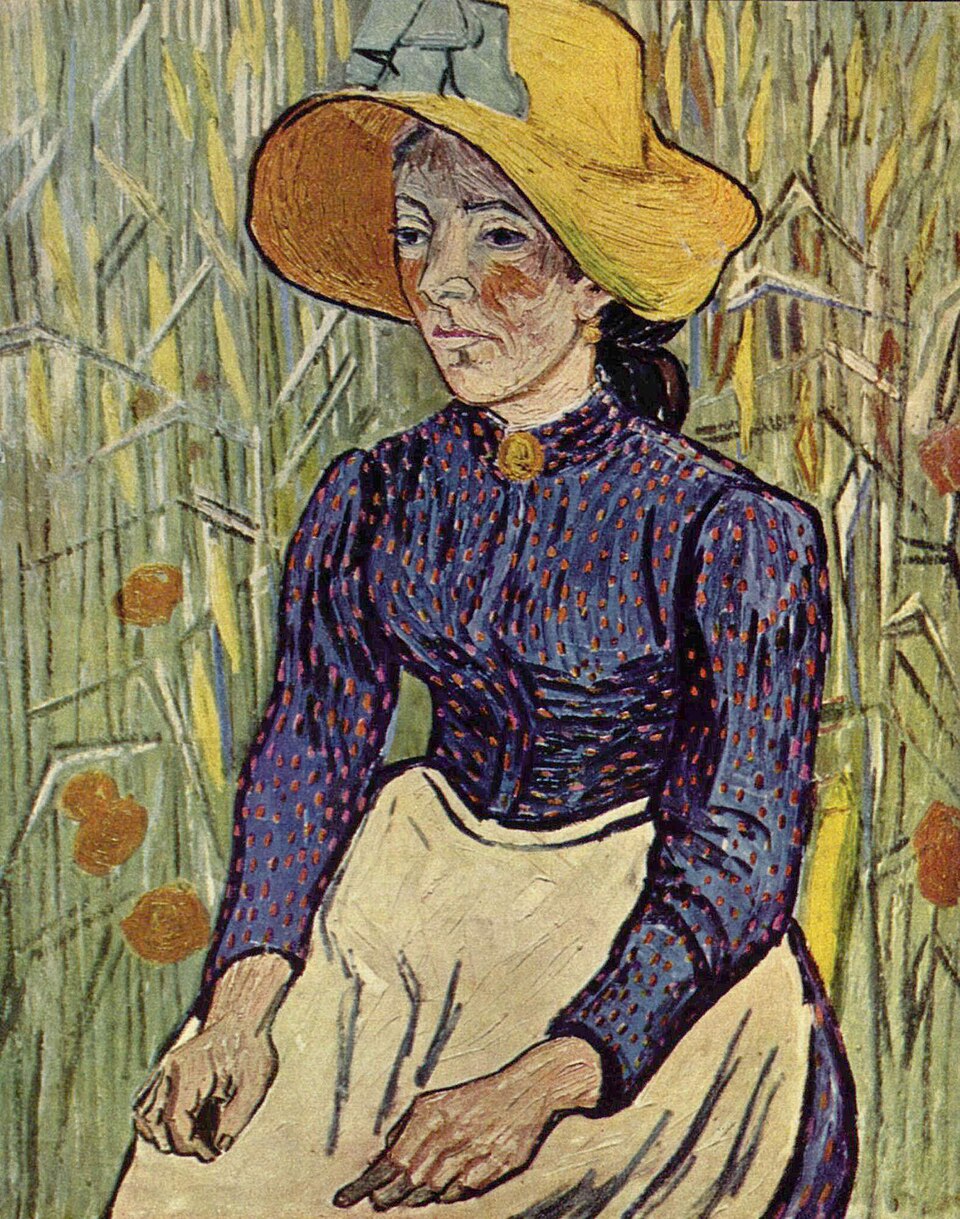
In the last year of his life, Vincent van Gogh set a young country woman before a wall of ripening wheat. The painting mattered enough to him that he went on to paint several versions of it.
The story behind the painting
Peasant Woman Against a Background of Wheat is an oil on canvas that Vincent van Gogh painted in 1890. That was his final year. After discharging himself from care, he moved to the Auberge Ravoux in Auvers-sur-Oise, near Paris, where the homoeopathic doctor Paul Gachet looked after him. His depression continued. On 27 July 1890 he shot himself in the chest, and he died two days later. The sources do not say exactly when or where in 1890 this canvas was made. What they do record is that Van Gogh went on to paint several versions of the same composition. He returned to this woman and this field more than once, as if one canvas could not hold everything he wanted to say.
What to look for
Begin with the figure. Wikidata catalogues what the painting shows: a woman in a dress, wearing a hat, with a brooch and a knotted lace, set in front of a field of wheat. The canvas is fairly large, 92 by 73 centimetres, so she sits close to life size and fills most of the frame. Let your eye move from her face to the small details at her neckline, then out to the wheat behind her. The field does not open into a distant view. It rises behind her like a backdrop. The French title adds that she wears a straw hat and is seated in front of the field. Then step back and take in how figure and field fit together.
Meaning and intent
Peasants had been with Van Gogh since the start. His early work included depictions of peasant labourers and character studies of rural people, and wheat fields were among his subjects in Arles in 1888. In this portrait the two themes meet. The woman is not shown at work. She is a sitter in her own right, and the field that feeds her community becomes her setting. The sources do not record what Van Gogh himself said about this picture. Still, the fact that he painted several versions shows that the motif held his attention. It is a portrait in the Post-Impressionist manner. Colour and pattern carry as much feeling as likeness does, and the wheat is as much a part of who she is as her hat or brooch.
Legacy
The painting has changed hands several times, moving from one owner to the next. Wikidata lists no museum for it, so it is not on regular public view, and that makes each reproduction precious to admirers. It belongs to the remarkable outpouring of Van Gogh's last year, alongside works such as Wheatfield with Crows. The several versions Van Gogh painted let viewers compare how he reworked one idea. Today it stands as an example of how, even near the end, he kept returning to the people and fields of the countryside that had shaped his art from the beginning.
Did you know?
- Oil on canvas, 1890, 92 × 73 cm (Wikidata).
- Van Gogh painted several versions of this composition (Wikipedia).
- Wikidata catalogues a hat, brooch, dress and wheat field among its subjects.
Wikipedia · Wikipedia (Vincent van Gogh) · Wikidata
About the artist
Vincent van Gogh (1853-1890)
woman · portrait · Post-impressionism · dress · field · hat · peasant
More by Vincent van Gogh
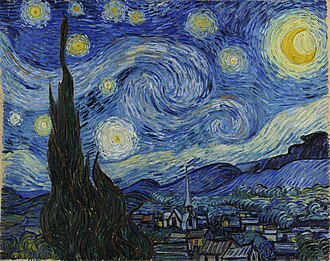 The Starry Night - Vincent van Gogh (1889)
.jpg) Café Terrace at Night - Vincent van Gogh (1888)
Café Terrace at Night - Vincent van Gogh (1888)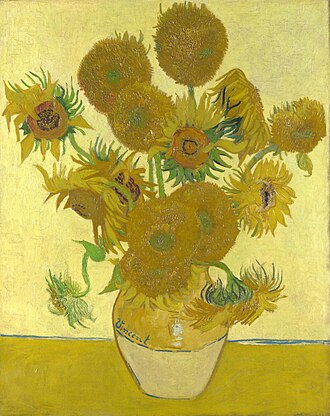 Sunflowers - Vincent van Gogh (1888)
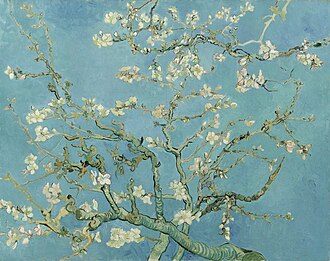 Almond Blossoms - Vincent van Gogh (1890)
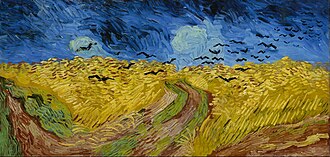 Wheatfield with Crows - Vincent van Gogh (1890)
 The Bedroom - Vincent van Gogh (1888)
 The Potato Eaters - Vincent van Gogh (1885)
 Irises - Vincent van Gogh (1889)
Paintings by related artists
 Where Do We Come From? What Are We? Where Are We Going? - Paul Gauguin (1897-1898)
%201889.jpg) The Yellow Christ - Paul Gauguin (1889)
The Yellow Christ - Paul Gauguin (1889) Luncheon on the Grass - Édouard Manet (1863)
 Olympia - Édouard Manet (1863)