Kingfisher by the Waterside
Vincent van Gogh · 1887
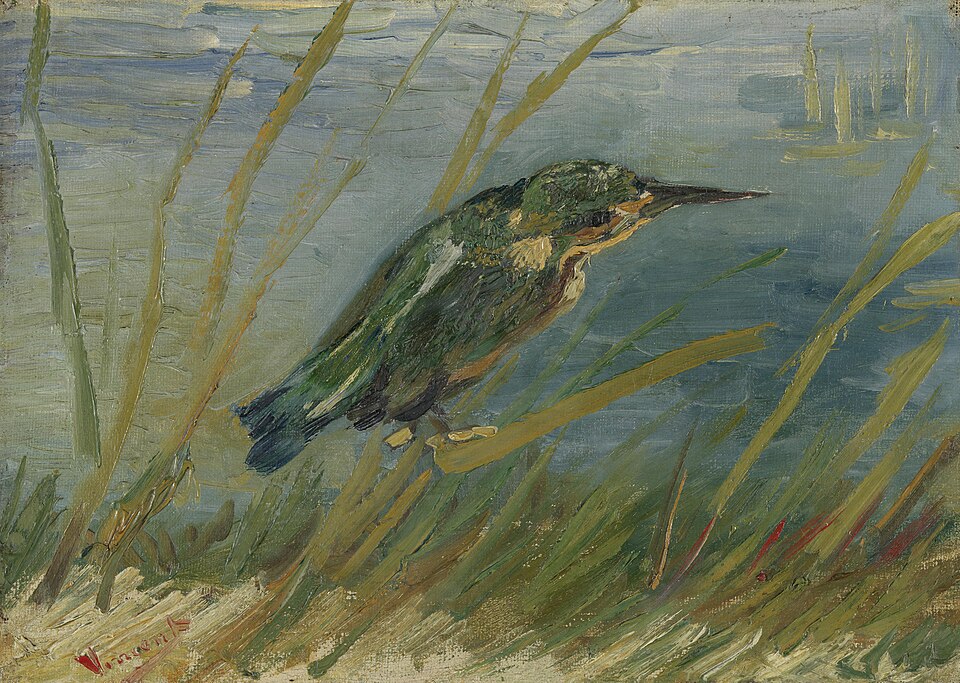
A small bird pauses at the edge of a marsh, facing right, as if about to dart away. In Paris, Van Gogh caught a kingfisher in a canvas barely larger than a sheet of paper.
The story behind the painting
Van Gogh painted The Kingfisher in Paris, the city where he had arrived in March 1886. He shared his brother Theo's apartment in Montmartre, studied at Fernand Cormon's studio, and by June the brothers had moved to a larger flat at 54 rue Lepic. The sources disagree slightly on the date: Wikipedia says the painting was made between July and December 1886, while Wikidata records 1887. Either way, it belongs to Van Gogh's two Paris years, a time when he painted more than 200 pictures and, after seeing the work of Monticelli, moved towards a brighter palette and a bolder attack. Little more is recorded about how this particular small study came to be.
What to look for
This is an intimate picture, just 19.1 by 26.6 centimetres according to Wikidata, so imagine leaning in close. The subject is a river kingfisher in a marsh. Find the bird first; it faces towards the right side of the painting, and the whole little scene is built around it. Then let your eye wander into the marshy surroundings by the water. Before leaving, look down into the lower left corner: there you will find the name "Vincent" painted on the canvas. It is a small, personal signature for a small, personal work, and a reminder that the painter was still finding his way among the many styles he met in Paris.
Meaning and intent
The sources do not record what Van Gogh intended with this picture, and it is best not to invent a message for it. What we can say is what it is: an animal painting, focused on a single bird in its natural setting. In Paris Van Gogh painted portraits and still lifes and experimented widely, absorbing new influences from the artists he met, among them Émile Bernard, Toulouse-Lautrec and Paul Gauguin. A modest study like this one lets us see that searching eye at rest on something simple: a bright bird, a patch of water, a quiet moment observed.
Legacy
The Kingfisher is now in Amsterdam, in the collection of the Van Gogh Museum, where it sits among the works that trace his development. Its Dutch title, IJsvogel aan de waterkant, means kingfisher by the waterside, which is the name used for it here. Because so little is written about it, the painting invites slow looking rather than storytelling. It is one of the more than 200 paintings Van Gogh made in Paris before he left the city, exhausted, in February 1888. Seen in that light, this little bird is a fragment of a crucial chapter, the years in which the painter we know today was taking shape.
Did you know?
- Painted in Paris; Wikipedia: July-December 1886, Wikidata: 1887
- Signed "Vincent" lower left
- 19.1 × 26.6 cm (Wikidata)
- Van Gogh Museum, Amsterdam
Wikipedia · Wikipedia (Vincent van Gogh) · Wikidata
About the artist
Vincent van Gogh (1853-1890)
More by Vincent van Gogh
 The Starry Night - Vincent van Gogh (1889)
.jpg) Café Terrace at Night - Vincent van Gogh (1888)
Café Terrace at Night - Vincent van Gogh (1888) Sunflowers - Vincent van Gogh (1888)
 Almond Blossoms - Vincent van Gogh (1890)
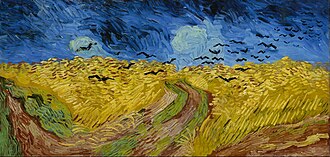 Wheatfield with Crows - Vincent van Gogh (1890)
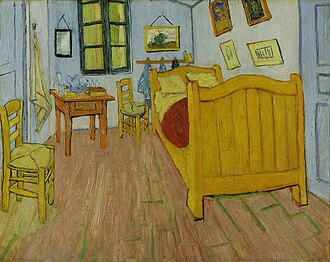 The Bedroom - Vincent van Gogh (1888)
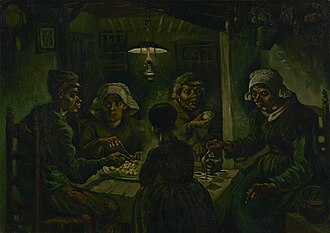 The Potato Eaters - Vincent van Gogh (1885)
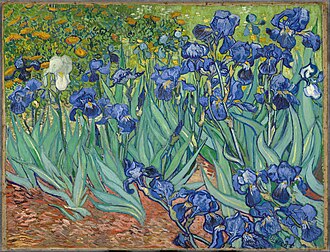 Irises - Vincent van Gogh (1889)
Paintings by related artists
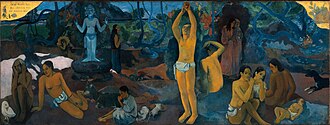 Where Do We Come From? What Are We? Where Are We Going? - Paul Gauguin (1897-1898)
%201889.jpg) The Yellow Christ - Paul Gauguin (1889)
The Yellow Christ - Paul Gauguin (1889)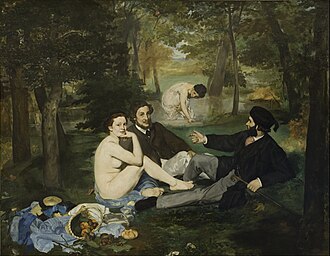 Luncheon on the Grass - Édouard Manet (1863)
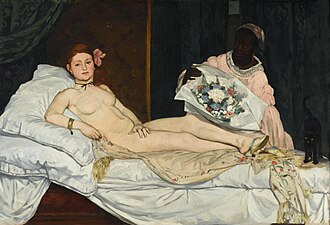 Olympia - Édouard Manet (1863)