At Eternity's Gate
Vincent van Gogh · 1890
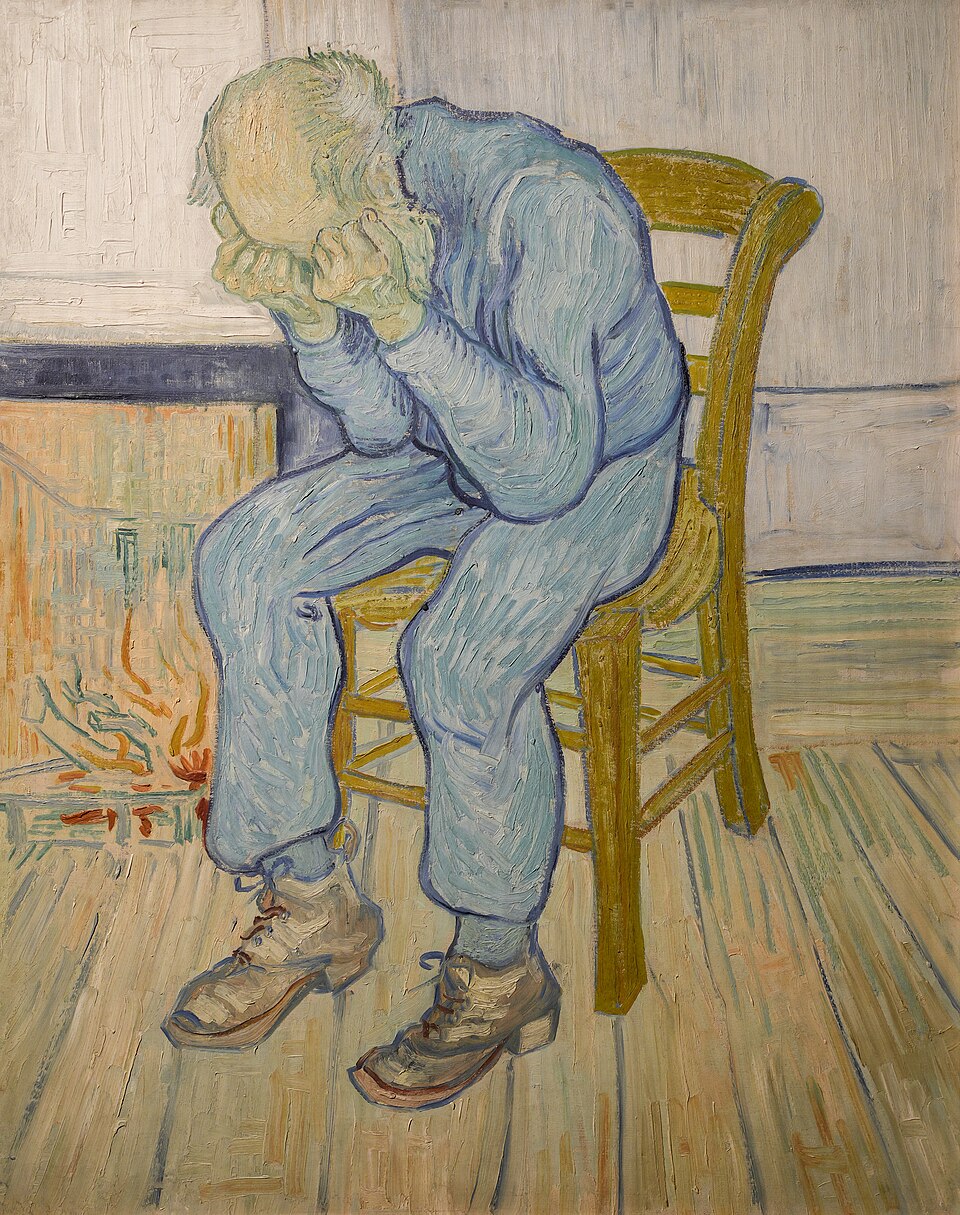
A poignant portrayal of sorrow and contemplation, Vincent van Gogh's 'At Eternity's Gate' is a powerful exploration of the human condition, created during a tumultuous period in the artist's life.
The story behind the painting
Vincent van Gogh painted 'At Eternity's Gate' in May 1890, while convalescing at an asylum in Saint-Rémy de Provence. This oil painting is a recreation of an earlier lithograph he made in 1882, based on a series of studies of a pensioner and war veteran, Adrianus Jacobus Zuyderland. Van Gogh's work was deeply influenced by his own struggles with mental illness and his feelings of isolation. The painting reflects his empathy for the elderly and his own sense of mortality.
What to look for
In 'At Eternity's Gate,' observe the somber palette and expressive brushwork that characterize Van Gogh's post-Impressionist style. The elderly man sits with his head in his hands, slumped in a chair beside a fireplace. The warm tones of the fire contrast with the cool tones of the man's clothing and the somber atmosphere of the room. The thick, textured brushstrokes add a sense of emotional intensity to the painting.
Meaning and intent
Van Gogh titled this painting 'At Eternity's Gate,' suggesting a connection to themes of mortality and the afterlife. The work conveys a sense of deep sorrow and contemplation, yet also a sense of dignity and resilience. By recreating this image in oil, Van Gogh was able to express his own feelings of empathy and solidarity with the elderly man, as well as his own struggles with mental illness and mortality.
Legacy
Today, 'At Eternity's Gate' is considered one of Van Gogh's most important works, and it is held in the collection of the Kröller-Müller Museum in the Netherlands. The painting continues to inspire artists, art historians, and audiences around the world with its powerful exploration of the human condition. It is a testament to Van Gogh's innovative style and his ability to convey complex emotions through his art.
Did you know?
- The painting measures 81.8 × 65.5 cm.
- It was created in May 1890 at Saint-Rémy de Provence.
- The original lithograph was based on a series of studies Van Gogh made in 1882 of a pensioner and war veteran, Adrianus Jacobus Zuyderland.
- The painting is also known as 'Sorrowing Old Man (At Eternity's Gate)'.
Wikipedia · Wikipedia - Vincent van Gogh · Wikidata
About the artist
Vincent van Gogh (1853-1890)
genre art · Kröller-Müller Museum · chair
More by Vincent van Gogh
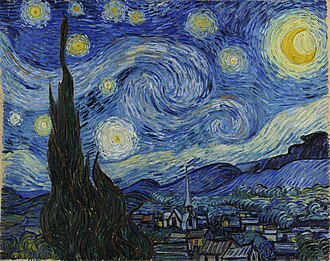 The Starry Night - Vincent van Gogh (1889)
.jpg) Café Terrace at Night - Vincent van Gogh (1888)
Café Terrace at Night - Vincent van Gogh (1888)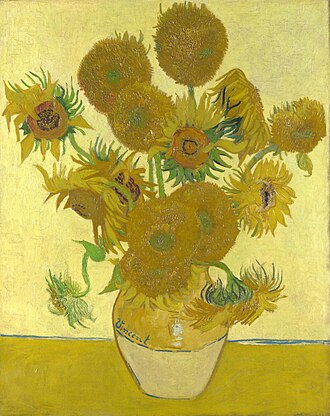 Sunflowers - Vincent van Gogh (1888)
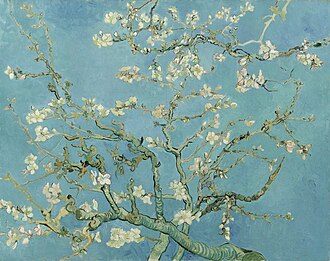 Almond Blossoms - Vincent van Gogh (1890)
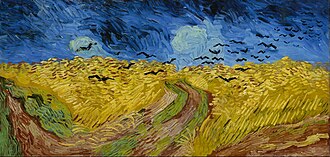 Wheatfield with Crows - Vincent van Gogh (1890)
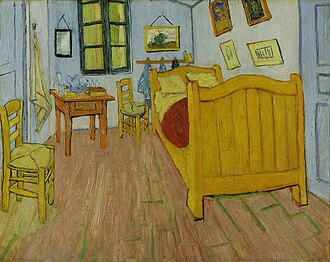 The Bedroom - Vincent van Gogh (1888)
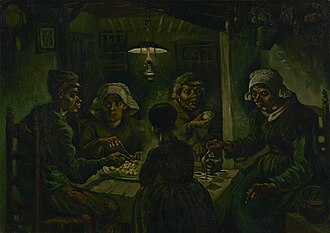 The Potato Eaters - Vincent van Gogh (1885)
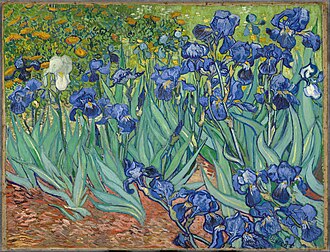 Irises - Vincent van Gogh (1889)
Paintings by related artists
 Where Do We Come From? What Are We? Where Are We Going? - Paul Gauguin (1897-1898)
%201889.jpg) The Yellow Christ - Paul Gauguin (1889)
The Yellow Christ - Paul Gauguin (1889) Luncheon on the Grass - Édouard Manet (1863)
 Olympia - Édouard Manet (1863)