Belisar bittet um Almosen
Jacques-Louis David · 1781
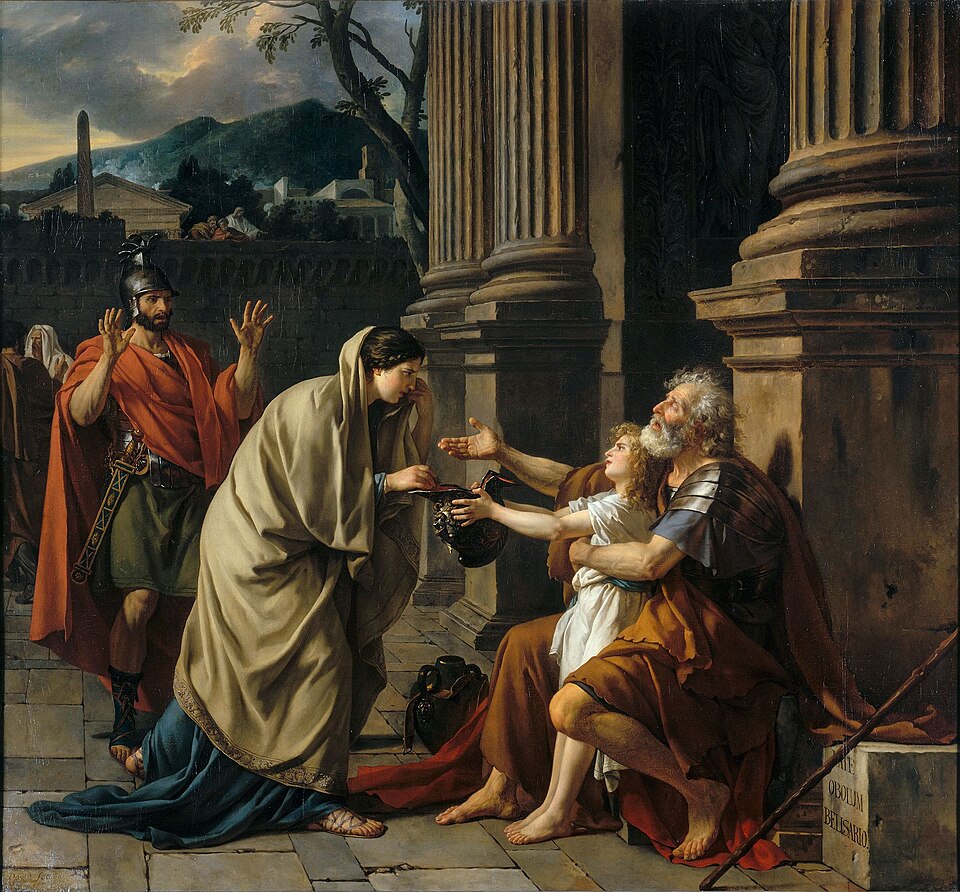
A blind old general holds out his helmet for coins, guided by a child, while one of his former soldiers stops dead in shock. David showed this fall from glory at the Salon of 1781, and it was a great success.
The story behind the painting
Belisarius was the Byzantine general who defeated the Vandals in North Africa in 533 and 534 for the emperor Justinian I. According to an apocryphal story, probably added in the Middle Ages, the emperor later had him blinded and reduced to begging in the street. The writer Jean-François Marmontel published a novel, Bélisaire, in 1767, in which the exiled general denounces the social evils eroding the state, and the emperor comes to listen to him again. Jacques-Louis David, back from Italy, showed his large canvas, 288 by 312 cm, at the Salon of 1781 at the Louvre.
What to look for
Only a few figures carry the scene. The old blind hero sits in the street with a young child, and a woman gives alms. In the background a soldier who once served under him recognises him and throws up his hands in astonishment, chest forward. The hands of the woman, the child and the old man line up horizontally, suggesting weakness, need and love, against the soldier's vertical gesture. Behind them rises sober, austere, overwhelming Antique architecture. The three ages, child, adult and old man, set the glory of youth against the wreck of old age.
Meaning and intent
Mercy runs through the whole work. By showing a general who fell through unjust leadership, David could criticise the government of his day without being silenced, a way of borrowing from the past to speak to the present that returns in his Oath of the Horatii. The alms can look compassionate or condescending, so viewers who supported or doubted the new king could each read it their own way. The picture still mixes Rococo ideas with the new Neoclassical style, but it offers a meditation on moral heroism in adversity.
Legacy
The painting won the support of both dissenting patriots and reforming officials in tense pre-revolutionary France. The same subject had been painted by Peyron, whose Belisarius receives hospitality from a peasant, but David's tighter cast depends on the story itself for its drama. David returned to the subject in 1784 with a smaller canvas with minor changes, shown at the Salon of 1785 and now in the Louvre. The large original is in the Palais des Beaux-Arts in Lille. Wikidata dates it to 1781, the year of its Salon debut.
Schon gewusst?
- Shown at the Salon of 1781 at the Louvre.
- Large canvas, 288 by 312 cm.
- A smaller second version, shown in 1785, is in the Louvre.
- Now in the Palais des Beaux-Arts, Lille.
Über den Künstler
Jacques-Louis David (1748-1825)
Frau · Genreszene · Junge · Klassizismus · Historienmalerei · Soldat · Palais des Beaux-Arts de Lille · Bettler
Mehr von Jacques-Louis David
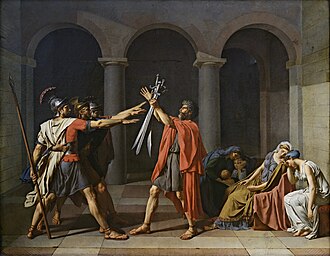 Der Schwur der Horatier - Jacques-Louis David (1784)
.jpg) The Intervention of the Sabine Women - Jacques-Louis David (1799)
The Intervention of the Sabine Women - Jacques-Louis David (1799)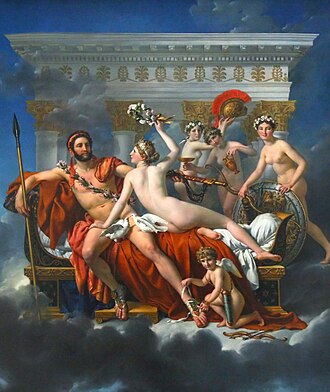 Mars Venus entwaffnet - Jacques-Louis David (1824)
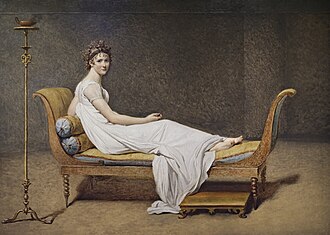 Porträt Madame Récamier - Jacques-Louis David (1800)
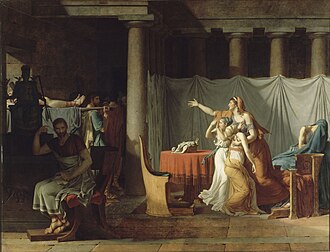 Die Liktoren bringen Brutus die Leichen seiner Söhne - Jacques-Louis David (1789)
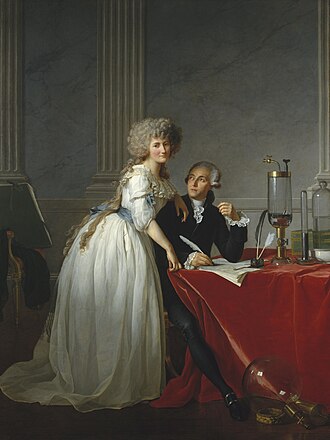 Antoine‑Laurent Lavoisier (1743–1794) und seine Frau - Jacques-Louis David (1788)
Cupid und Psyche - Jacques-Louis David (1817)
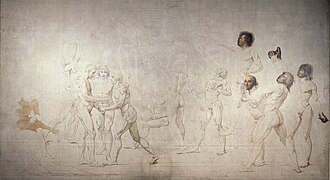 The Tennis Court Oath - Jacques-Louis David (1791)
Werke verwandter Künstler
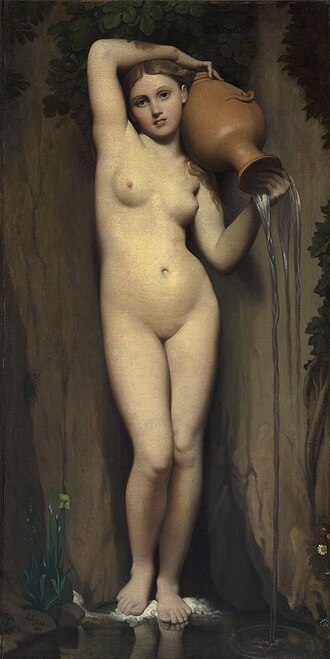 Die Quelle - Jean-Auguste-Dominique Ingres (1856)
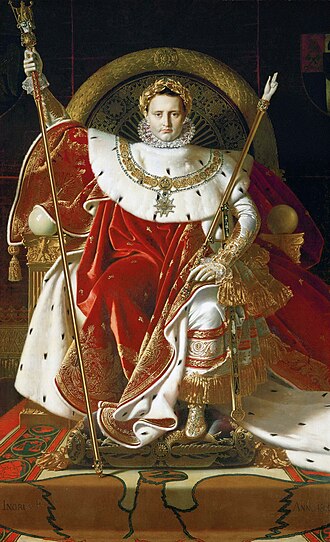 Napoleon I auf seinem kaiserlichen Thron - Jean-Auguste-Dominique Ingres (1806)
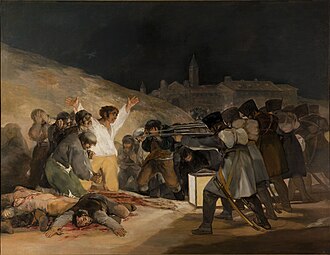 Die Erschießung der Aufständischen - Francisco Goya (1814)
.jpg) Die nackte Maja - Francisco Goya (1800)
Die nackte Maja - Francisco Goya (1800)