Der Tod des Marat
Jacques-Louis David · 1793
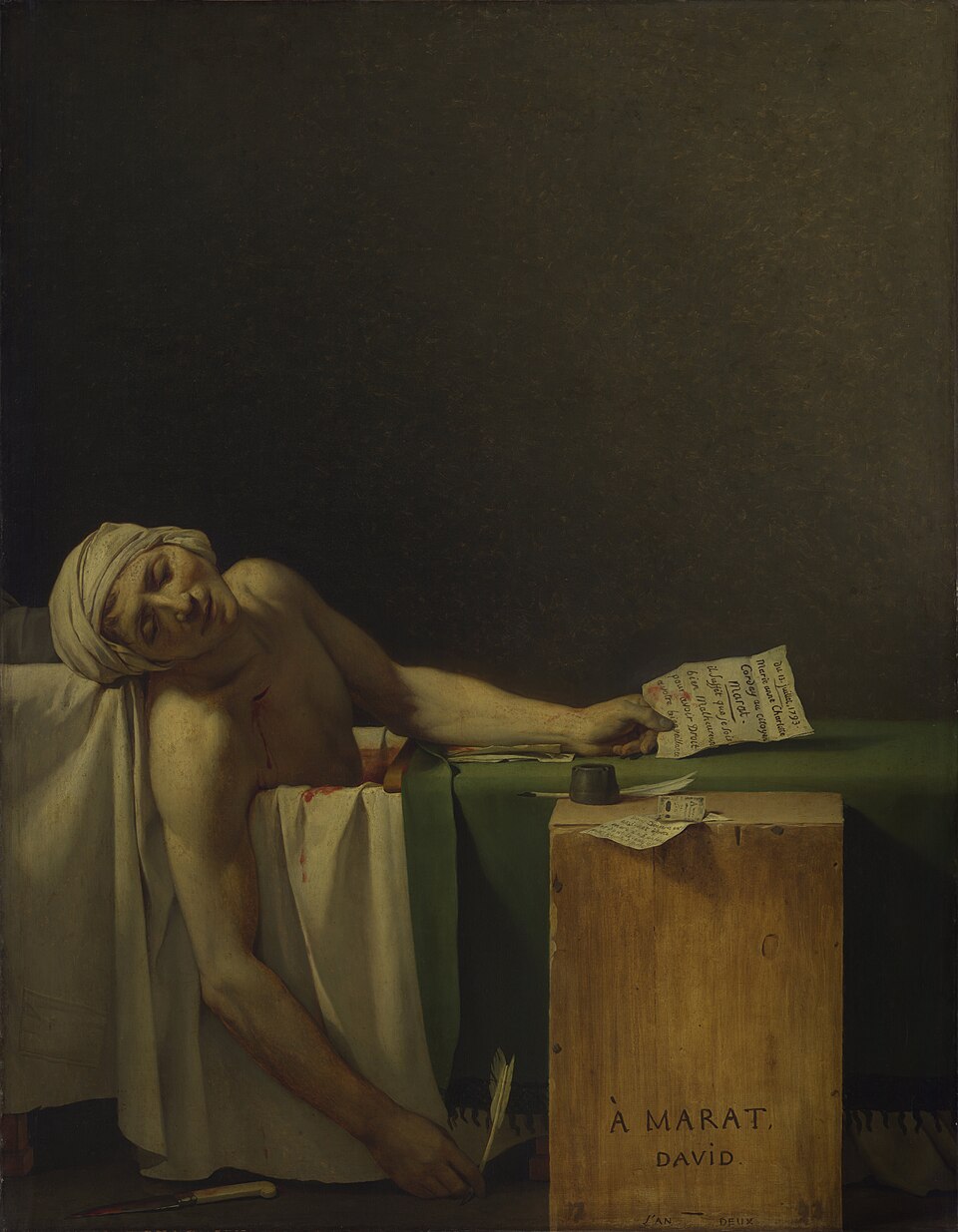
A man lies dead in his bath, pen still in hand, a letter in the other, one arm hanging down. David painted his murdered friend as a martyr, and created one of the most famous images of the French Revolution.
The story behind the painting
Jean-Paul Marat, a leader of the radical Montagnards, was stabbed to death in his bath by Charlotte Corday on 13 July 1793. Corday, a Girondin, blamed him for the September Massacres; records disagree on whether she came to name traitors or to plead for friends. She did not flee and was later executed. Marat had a skin condition and often worked in his bathtub. David, his friend, was a Montagnard deputy who voted for the death of Louis XVI and sat on the Committee of General Security. He painted the picture in the months after the murder.
What to look for
Marat's body and face are bathed in soft, glowing light. His long arm hangs down, much as in Michelangelo's Pietà, and the drama and light echo Caravaggio's Entombment of Christ, which David admired. The note in his hand is not a real quotation from Corday but an invented line based on what she might have said. The canvas measures about 165 by 128 cm. The blood-stained proof Marat was correcting for his newspaper L'Ami du peuple still survives.
Meaning and intent
David sought to transfer the sacred aura once tied to the monarchy and the Church to the new Republic, painting Marat as a Christian martyr of the Revolution. In 2001 the historian T. J. Clark called it the first modernist work, because it took politics as its material and did not transform it. The painting is one of the most famous images of the Revolutionary era, made by a painter who was at once the leading Neoclassical artist and a committed political actor.
Legacy
Pupils made copies in 1793 and 1794, when it was a symbol of martyrdom amid the Terror. Later it fell into obscurity, and during David's exile his pupil Antoine Gros hid it in France. Baudelaire and Proudhon praised it in 1845, and it went on to inspire Picasso, Munch and Peter Weiss's play Marat/Sade. It is in the Royal Museums of Fine Arts of Belgium; a studio replica hangs in the Louvre.
Schon gewusst?
- Marat was murdered by Charlotte Corday on 13 July 1793.
- Painted by his friend David in the months after.
- Called the first modernist work by T. J. Clark.
- In the Royal Museums of Fine Arts of Belgium, Brussels.
Über den Künstler
Jacques-Louis David (1748-1825)
Historienmalerei · Leichnam · Brief · Königliche Museen der Schönen Künste · Federkiel
Mehr von Jacques-Louis David
 Der Tod des Sokrates - Jacques-Louis David (1787)
 Der Schwur der Horatier - Jacques-Louis David (1784)
 Le Sacre de Napoléon - Jacques-Louis David (1807)
.jpg) The Intervention of the Sabine Women - Jacques-Louis David (1799)
The Intervention of the Sabine Women - Jacques-Louis David (1799)%20-%20National%20Gallery%20of%20Art%20(Samuel%20H.%20Kress%20Foundation).jpg) Der Kaiser Napoleon in seinem Arbeitszimmer im Tuilerien-Palast - Jacques-Louis David (1812)
Der Kaiser Napoleon in seinem Arbeitszimmer im Tuilerien-Palast - Jacques-Louis David (1812)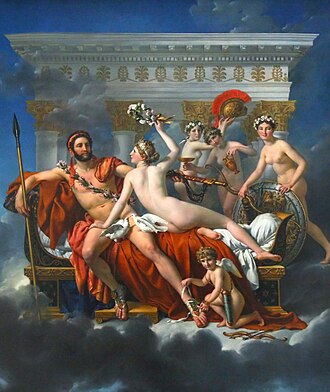 Mars Venus entwaffnet - Jacques-Louis David (1824)
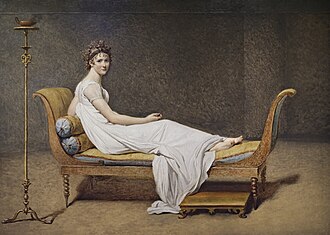 Porträt Madame Récamier - Jacques-Louis David (1800)
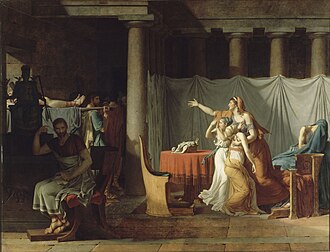 Die Liktoren bringen Brutus die Leichen seiner Söhne - Jacques-Louis David (1789)
Werke verwandter Künstler
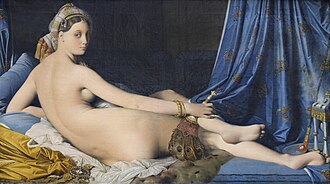 Die große Odaliske - Jean-Auguste-Dominique Ingres (1814)
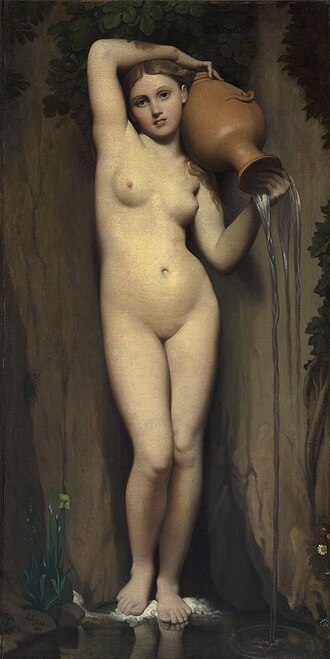 Die Quelle - Jean-Auguste-Dominique Ingres (1856)
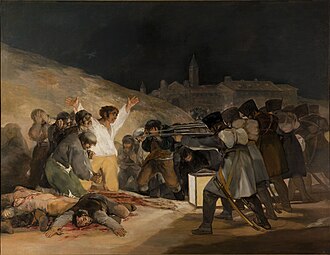 Die Erschießung der Aufständischen - Francisco Goya (1814)
.jpg) Die nackte Maja - Francisco Goya (1800)
Die nackte Maja - Francisco Goya (1800)