Wooded landscape with gipsies round a camp fire
トマス・ゲインズバラ · 1753
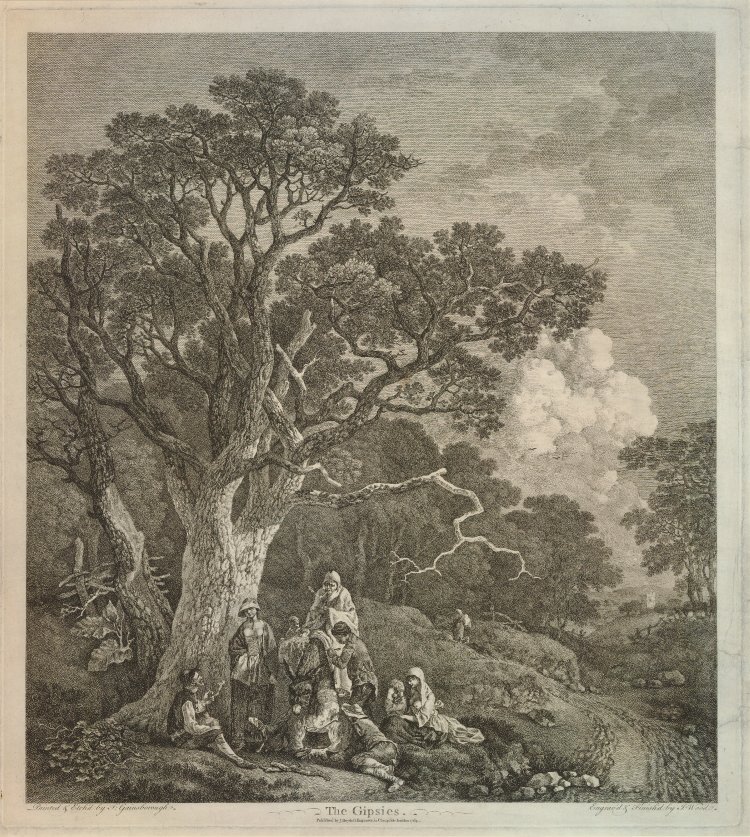
A Romani family gathers round a fire under a tree, a dead branch hanging above them. Gainsborough painted it to replace a canvas he had slashed in anger, and now this one too is lost, surviving only in his own etching.
The story behind the painting
Thomas Gainsborough was the first British artist to study Romani people seriously, beginning with two paintings in the 1750s. According to an anecdote told by Joshua Kirby's grandson Trimmer, a gentleman from near Ipswich commissioned the first, Landscape with Gipsies. Visiting when it was two-thirds done, he said he disliked it, and Gainsborough told him he should not have it and slashed the canvas with a penknife. Kirby rescued it, it was repaired, and it is now in the Tate. Gainsborough then painted this replacement for the patron, also called The Gipsies. Wikidata dates it 1753.
What to look for
The painting shows a group of gypsies gathered around a fire beneath a tree with a prominent dead branch hanging above them. A man gathers faggots for the fire under a cooking pot, another searches in the panniers of a donkey, and children sit nearby. The composition centres on the donkey, and light falls on the woman riding it and on one of the children by the fire. In the background, almost invisibly small, rises something like a church spire. Since the canvas is lost, we know the scene through Gainsborough's etching.
Meaning and intent
The picture is built like Gainsborough's Cottage Door series and is a similar family group. There is no cottage, but the landscape behind serves as the family's house and garden. The donkey at the centre and the light on the mother and child also bring to mind traditional scenes of the Nativity. It contrasts with his Gypsy Encampment, Sunset of about two decades later, where the figures are pushed to the edges, in shadow and indistinct, around an empty stretch of grass, and the church spire becomes far more prominent.
Legacy
Trimmer could not find the replacement painting himself. Its ownership has been traced as far as Thomas Anson, 1st Earl of Lichfield, and after that its whereabouts are unknown. It survives as an etching, one of the best known of Gainsborough's few etchings: he made it himself around 1758, the engraver Joseph Wood worked on it further, and it was published in 1759, the first commercially published print of his work. His trial proofs let historians follow its making. In 2019 the painting and a forgery of it were the subject of the series Fake or Fortune?
豆知識
- Painted to replace a canvas Gainsborough slashed in anger.
- The oil painting is lost after the Earl of Lichfield.
- Survives in Gainsborough's etching, published in 1759.
- His first commercially published print.
画家について
トマス・ゲインズバラ (1727-1788)
同じ画家の作品: トマス・ゲインズバラ
.jpg) 青衣の少年 - Thomas Gainsborough (1770)
青衣の少年 - Thomas Gainsborough (1770).jpg) アンドリューズ夫妻 - Thomas Gainsborough (1748)
アンドリューズ夫妻 - Thomas Gainsborough (1748)%20-%20WGA8418.jpg) ウィリアム・ハレット夫妻 - Thomas Gainsborough (1785)
ウィリアム・ハレット夫妻 - Thomas Gainsborough (1785)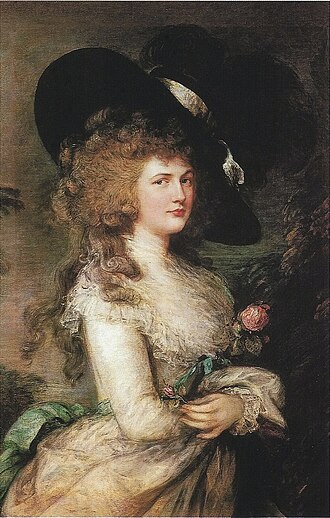 デヴォンシャー公爵夫人ジョージアナの肖像 - Thomas Gainsborough (1780s)
%20-%20Google%20Art%20Project.jpg) メアリー・グレーアム夫人の肖像 - Thomas Gainsborough (1775)
メアリー・グレーアム夫人の肖像 - Thomas Gainsborough (1775)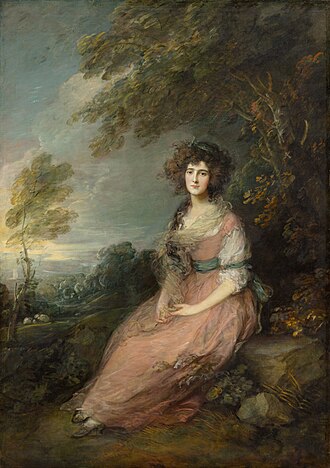 リチャード・ブリンズリー・シェリダン夫人 - Thomas Gainsborough (1785)
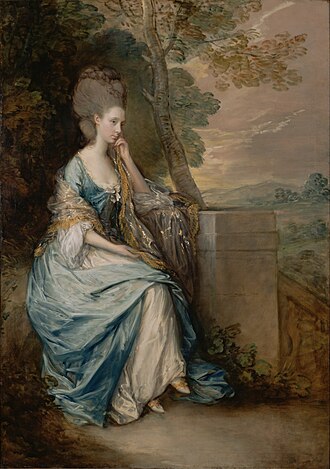 チェスターフィールド伯爵夫人アンの肖像 - Thomas Gainsborough (1770s)
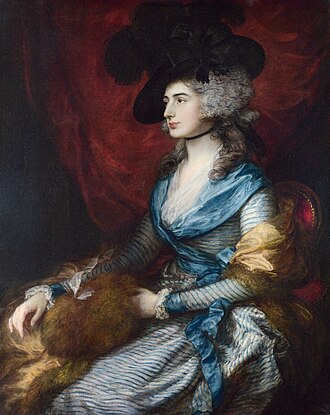 サラ・シドンズの肖像 - Thomas Gainsborough (1785)
関連する画家の作品
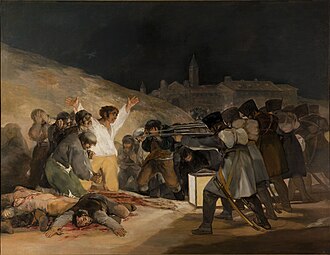 1808年5月3日 - Francisco Goya (1814)
.jpg) 裸のマハ - Francisco Goya (1800)
裸のマハ - Francisco Goya (1800)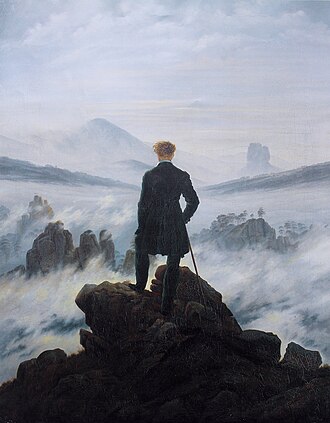 雲海の上の旅人 - Caspar David Friedrich (c. 1818)
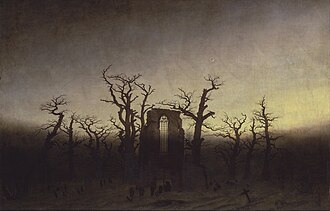 楡の木のある僧院 - Caspar David Friedrich (1800s)
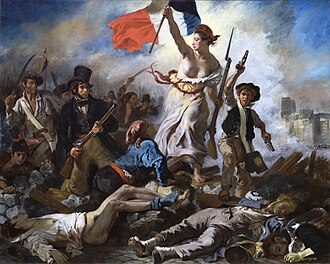 民衆を導く自由の女神 - Eugène Delacroix (1830)
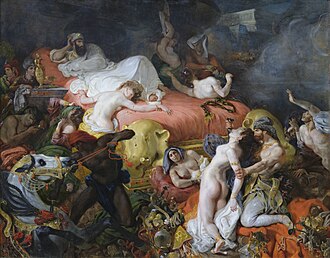 サルダナパールの死 - Eugène Delacroix (1827)
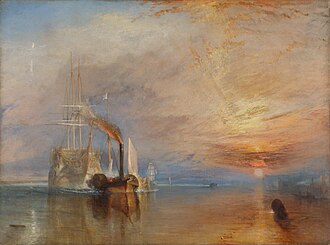 戦艦テメレール号 - J. M. W. Turner (1839)
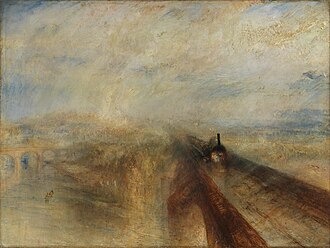 雨、蒸気、速度 - グレート・ウェスタン鉄道 - J. M. W. Turner (1844)