アンドリューズ夫妻
トマス・ゲインズバラ · 1748
.jpg)
A young couple rests under an oak, their wheat field rolling away to the horizon. Gainsborough painted them when he was about twenty-three, and the picture stayed almost unknown in their family for two centuries.
The story behind the painting
Robert Andrews and Frances Mary Carter grew up in the same parish of Bulmer and married in Sudbury on 10 November 1748, when he was 22 and she was 16. Gainsborough came from Sudbury too, and had attended the same grammar school as Robert. Back from an apprenticeship in London with the French artist Hubert-Francois Gravelot, he painted the couple on Auberies, the estate that was probably part of Frances's dowry. Wikipedia dates the painting about 1750, while Wikidata gives 1748, the year of the wedding.
What to look for
The canvas is small, about 70 by 119 cm, and unusually wide. On the left the couple sit and stand beside an oak; the right half is pure landscape. Robert wears a loose hunting coat with bags for powder and shot. Frances sits bolt upright in a light blue summer suit, mules and a straw hat, on a rococo bench that was probably Gainsborough's invention. Look for the tower of All Saints, Sudbury, where they married, the tower of Long Melford, and the neat rows of corn made by Jethro Tull's seed drill.
Meaning and intent
Combining a double portrait with a full landscape side by side was unique in Gainsborough's work and very rare for other painters. He later complained that portrait work kept him from his true love, landscape, and here he may have shown off that skill. The couple probably wanted their estate displayed: the location is accurately identifiable, which is unusual for him, and the modern farming details likely reflect Robert, a keen farmer who published a letter on smut in wheat in 1768. Some modern writers point out that Gainsborough did not paint outdoors, so Frances never had to walk across the fields in silk to pose.
Legacy
The painting stayed with the family until 1960 and was little known until an exhibition in Ipswich in 1927. After that it was requested again and again and praised for its charm and freshness. In 1953 it was one of four paintings chosen to represent British art in Paris for the Coronation of Queen Elizabeth II. Later it drew hostile readings as a picture of the paternalist, capitalist society of 18th-century England, yet it remains a popular favourite at the National Gallery in London.
豆知識
- The couple married in Sudbury on 10 November 1748.
- Gainsborough was about twenty-three when he painted it.
- It stayed in the sitters' family until 1960.
- Now in the National Gallery, London.
画家について
トマス・ゲインズバラ (1727-1788)
肖像 · 風景画 · ナショナル・ギャラリー · ドレス · 木 · 空 · カップル · 田舎
同じ画家の作品: トマス・ゲインズバラ
.jpg) 青衣の少年 - Thomas Gainsborough (1770)
青衣の少年 - Thomas Gainsborough (1770)%20-%20WGA8418.jpg) ウィリアム・ハレット夫妻 - Thomas Gainsborough (1785)
ウィリアム・ハレット夫妻 - Thomas Gainsborough (1785)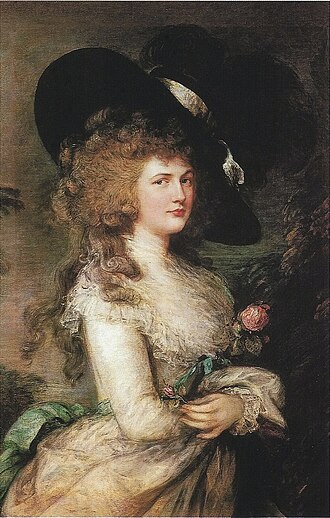 デヴォンシャー公爵夫人ジョージアナの肖像 - Thomas Gainsborough (1780s)
%20-%20Google%20Art%20Project.jpg) メアリー・グレーアム夫人の肖像 - Thomas Gainsborough (1775)
メアリー・グレーアム夫人の肖像 - Thomas Gainsborough (1775)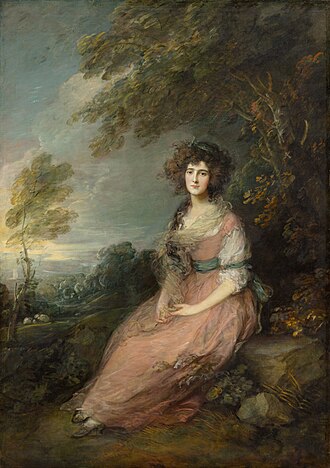 リチャード・ブリンズリー・シェリダン夫人 - Thomas Gainsborough (1785)
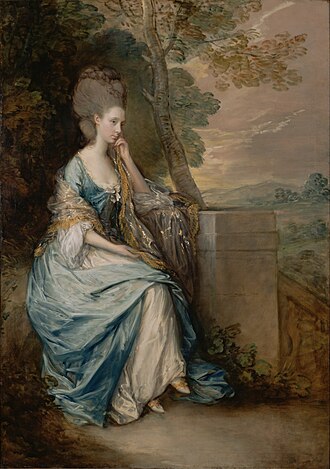 チェスターフィールド伯爵夫人アンの肖像 - Thomas Gainsborough (1770s)
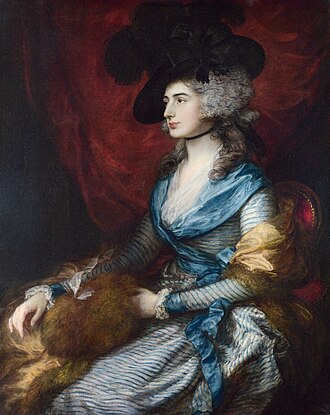 サラ・シドンズの肖像 - Thomas Gainsborough (1785)
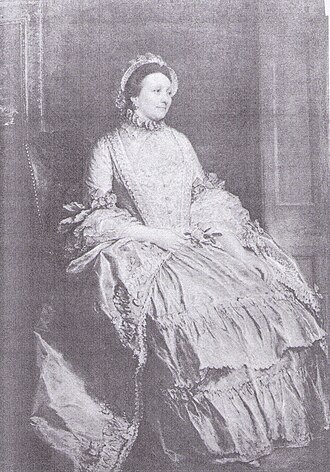 The Wife of William St Quintin - Thomas Gainsborough (1767)
関連する画家の作品
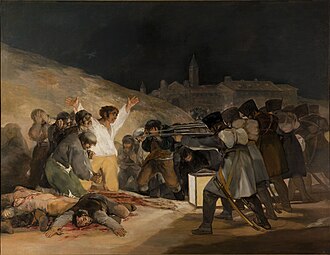 1808年5月3日 - Francisco Goya (1814)
.jpg) 裸のマハ - Francisco Goya (1800)
裸のマハ - Francisco Goya (1800)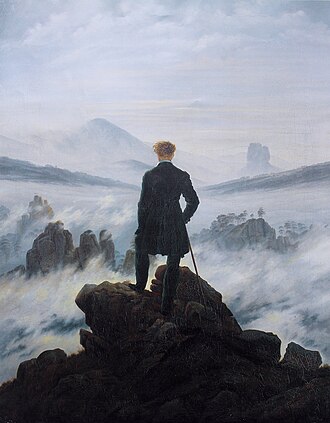 雲海の上の旅人 - Caspar David Friedrich (c. 1818)
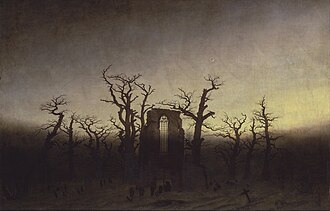 楡の木のある僧院 - Caspar David Friedrich (1800s)
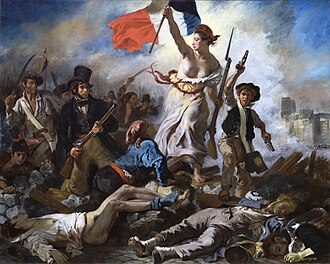 民衆を導く自由の女神 - Eugène Delacroix (1830)
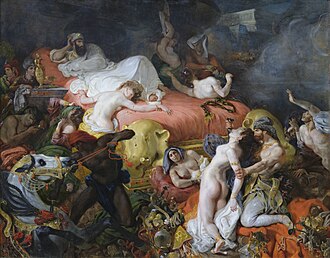 サルダナパールの死 - Eugène Delacroix (1827)
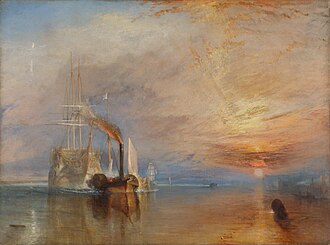 戦艦テメレール号 - J. M. W. Turner (1839)
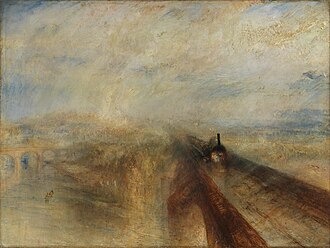 雨、蒸気、速度 - グレート・ウェスタン鉄道 - J. M. W. Turner (1844)