デモクリトス
Diego Velázquez · 1628
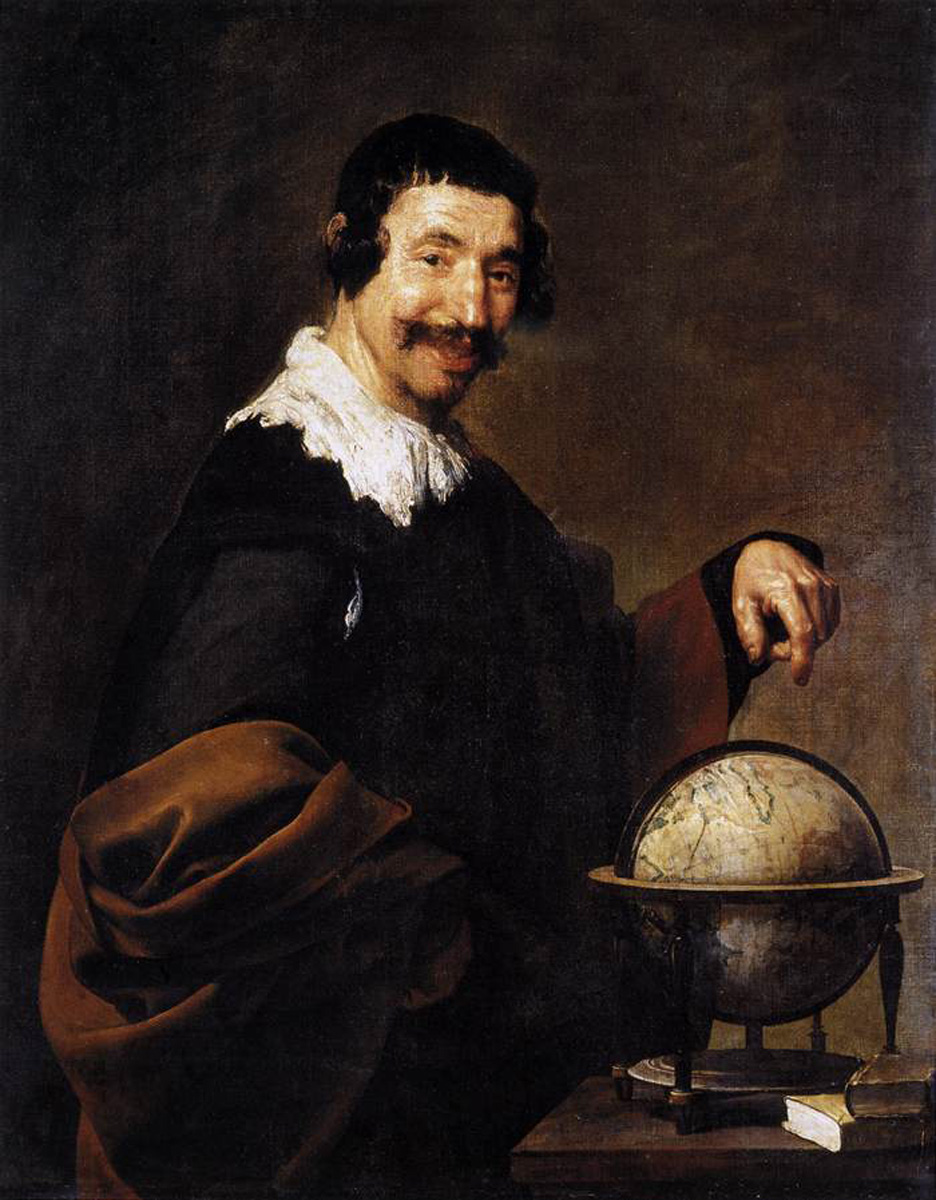
A smiling man in black leans toward us, one hand resting on a globe. For centuries nobody agreed who he was or even who painted him. Today he is Velázquez's Democritus, the laughing philosopher, kept in Rouen.
The story behind the painting
The canvas seems to be the one listed in 1689 in the inventory of Gaspar de Haro y Guzmán, marquis of Carpio, as a laughing philosopher with a globe, an original by Velázquez. In 1692 it was handed to the marquise's gardener, Pedro Rodríguez, in place of unpaid wages. It reached Rouen at the end of the eighteenth century, was seized during the Revolution, passed through the collector Lemonnier and an official's private collection, and finally entered the Rouen museum only in 1886. Wikidata dates it 1628, while French Wikipedia says historians place it around 1630, in Velázquez's first Madrid years.
What to look for
The man is seen a little more than half length, in profile, his face turned toward us with a smile, while his other hand points to a globe on a table beside two closed, parchment coloured books. He wears a black doublet with a wide white collar of Bruges lace, lace peeping from a slashed sleeve, and an ochre cape wrapped around his shoulder. Notice the two ways of painting: the clothes and still life are built with tight brushstrokes, while the head and hand are painted lightly in very liquid paint. Infrared images show the hand on the globe was repainted; it once turned upward, holding something.
Meaning and intent
For a long time the sitter was called The Geographer, or even Newton, and the picture was given to Ribera as a portrait of Christopher Columbus. Others linked his dog ear haircut and joyful irony to Velázquez's portrait of the court jester Pablo de Valladolid. In 1928 the art historian Werner Weisbach proposed that he is Democritus, the laughing philosopher, who was often shown with a globe as the object of his amusement. The source suggests the figure began around 1627 to 1628 as a laughing drinker and was raised to a sage around 1639 to 1640, just after Rubens painted his own Democritus for Philip IV.
Legacy
The attribution to Velázquez was settled in 1880 by the Rouen curator Gaston Le Breton and confirmed in 1898 by the Velázquez specialist Aureliano de Beruete, who recognised the painter's touch in the visible strokes that shape the cheekbone, the wrinkles at the corner of the eye and the tendon of the neck. The canvas is unsigned, as Velázquez rarely signed. Two imitations or copies of its earlier state, possibly allegories of taste in which the man holds a wine cup instead of touching a globe, are in Toledo, Ohio, and in Mora, Sweden. The original remains in Rouen, about 101 by 81 cm.
豆知識
- Also known as The Geographer; in Rouen since 1886.
- Attributed to Velázquez in 1880, confirmed by Beruete in 1898.
- Identified as Democritus by Werner Weisbach in 1928.
- Infrared images show the hand on the globe was repainted.
画家について
Diego Velázquez (1599-1660)
肖像 · 男性 · テーブル · 本 · 口ひげ · 地球儀
同じ画家の作品: Diego Velázquez
 ラス・メニーナス - Diego Velázquez (1656)
 ブレダの開城 - Diego Velázquez (1635)
 鏡のヴィーナス - Diego Velázquez (1644)
 アラクネの寓話 - Diego Velázquez
.jpg) インノケンティウス10世の肖像 - Diego Velázquez
インノケンティウス10世の肖像 - Diego Velázquez 卵を調理する老女 - Diego Velázquez (1618)
 昼食 - Diego Velázquez (1617)
.jpg) バッカスの勝利 - Diego Velázquez (1628)
バッカスの勝利 - Diego Velázquez (1628)
関連する画家の作品
 エマオの晩餐 - Caravaggio (1601)
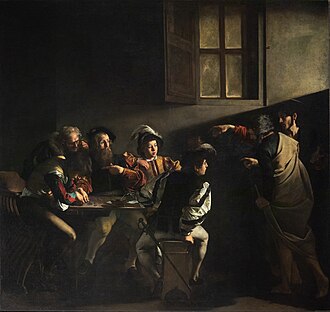 聖マタイの召命 - Caravaggio (1609)
.jpg) キリスト昇架 - Peter Paul Rubens (1609)
キリスト昇架 - Peter Paul Rubens (1609)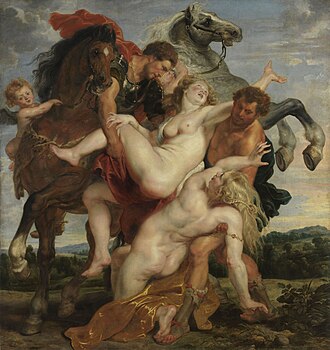 レウキッポスの娘たちの略奪 - Peter Paul Rubens (1618)
%20-%20Google%20Art%20Project.jpg) チャールズ1世の三面肖像画 - Anthony van Dyck (1635)
チャールズ1世の三面肖像画 - Anthony van Dyck (1635)%20with%20M.%20de%20St%20Antoine%20-%20Google%20Art%20Project.jpg) 馬上のチャールズ1世とサン・アントワーヌの領主の肖像 - Anthony van Dyck (1636)
馬上のチャールズ1世とサン・アントワーヌの領主の肖像 - Anthony van Dyck (1636)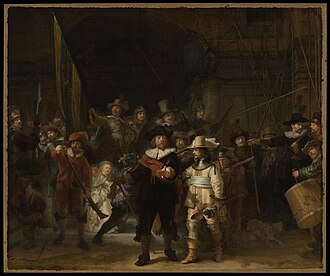 夜警 - Rembrandt van Rijn (1642)
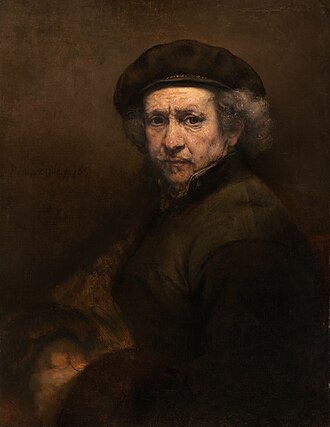 自画像 - Rembrandt van Rijn (1659)
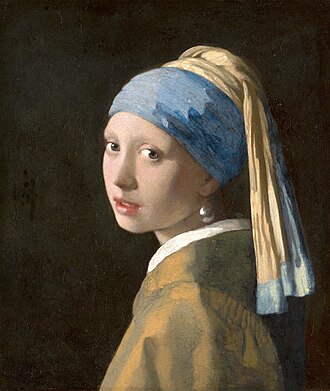 真珠の耳飾りの少女 - Johannes Vermeer (1665)
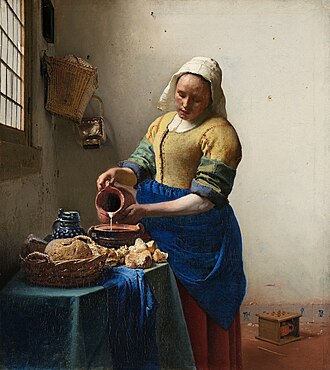 牛乳を注ぐ女 - Johannes Vermeer (c. 1658)