The Execution of Marshal Ney
Jean-Léon Gérôme · 1868
.jpg)
A body lies face down in the mud by a scarred wall, and the firing squad is already marching away. Gerome painted the dawn of 7 December 1815, and half a century later it still made France angry.
The story behind the painting
Michel Ney was one of Napoleon's marshals, a hero the emperor called the bravest of the brave. When Napoleon abdicated in 1814, Ney pledged loyalty to the Bourbon monarchy, but when Napoleon returned to France he rejoined his old leader. After the monarchy was restored in 1815, Ney was accused of plotting Napoleon's return and charged with treason. At his execution he refused a blindfold and was allowed to give the order to fire himself. In 1868, more than fifty years later, Jean-Leon Gerome painted the moment just after that order.
What to look for
Ney's corpse lies in the foreground, while the firing squad walks away from the site with their backs to us. Look closely at the wall behind him. Two inscriptions are written there: one says vive l'empereur, long live the emperor, and has been crossed out; the other says only vive, just before the bullet holes from the execution. The cold, empty space between the body and the departing soldiers carries the whole drama. As in The Death of Caesar, shown the year before, the dead man lies in front and his killers leave with their backs turned.
Meaning and intent
According to Gerome, the half-erased words on the wall were a comment on Ney's repeated shifts of loyalty between Napoleon and the House of Bourbon. Characteristically, he depicted not the event itself but its immediate aftermath, as he did in The Death of Caesar, The Duel After the Masquerade and Jerusalem. That choice leaves the viewer alone with the result, with no heroic gesture to admire. Even so long after 1815, the subject stirred feeling: on behalf of Ney's descendants, Gerome was asked to withdraw the painting, and he refused.
Legacy
Shown at the Paris Salon of 1868, the painting split opinion and began a lasting rift between Gerome and many French critics. Opponents accused it of relying on literary tricks, of commercialising art and of bringing politics into painting. Theophile Gautier praised its meaningful details, its treatment of death and how it captured a mental climate. Henri Oulevay drew a caricature of Gerome against the wall, with critics as the firing squad carrying pens, and Vive Manet scrawled behind him. The painting has belonged to the Sheffield Galleries and Museums Trust since 1931 and hangs in the Graves Art Gallery.
Lo sapevi?
- Painted in 1868; Ney was executed on 7 December 1815.
- The wall shows a crossed-out vive l'empereur.
- Ney's descendants asked Gerome to withdraw it; he refused.
- In Sheffield's collection since 1931.
L'artista
Jean-Léon Gérôme (1824-1904)
Altre opere di Jean-Léon Gérôme
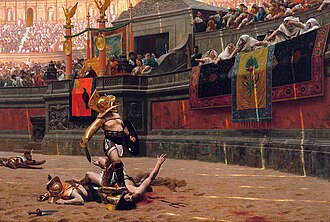 Pollice Verso - Jean-Léon Gérôme (1872)
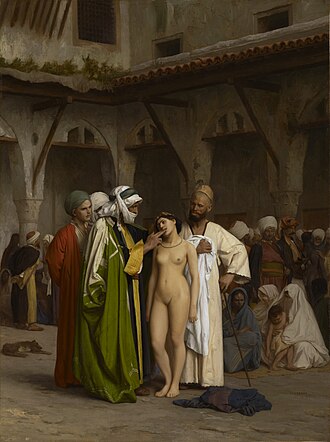 The Slave Market - Jean-Léon Gérôme (1866)
%20-%2001.jpg) Phryne before the Areopagus - Jean-Léon Gérôme (1861)
Phryne before the Areopagus - Jean-Léon Gérôme (1861)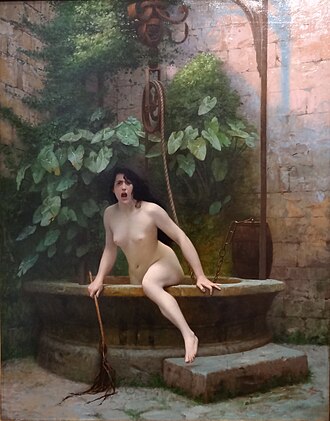 Truth Coming Out of Her Well - Jean-Léon Gérôme (1896)
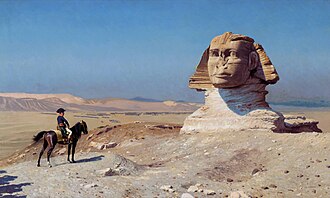 Bonaparte Before the Sphinx - Jean-Léon Gérôme (1867)
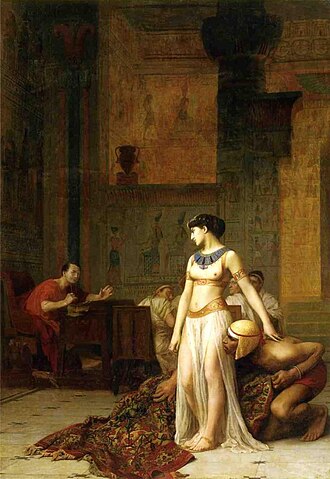 Cleopatra and Caesar - Jean-Léon Gérôme (1866)
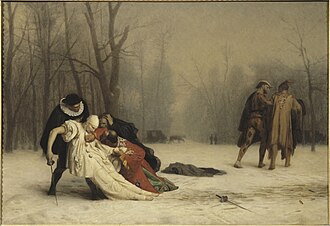 The Duel After the Masquerade - Jean-Léon Gérôme (1857)
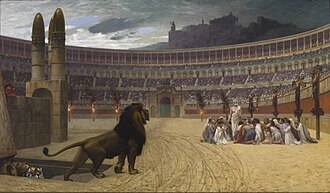 The Christian Martyrs' Last Prayer - Jean-Léon Gérôme (1883)
Dipinti di artisti collegati
 Luncheon on the Grass - Édouard Manet (1863)
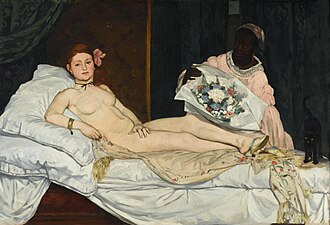 Olympia - Édouard Manet (1863)
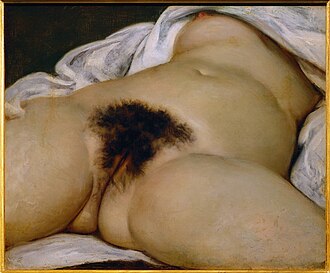 L'Origine du monde - Gustave Courbet (1866)
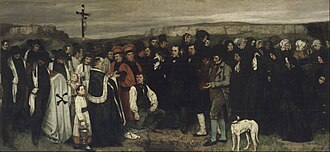 A Burial at Ornans - Gustave Courbet (2020)
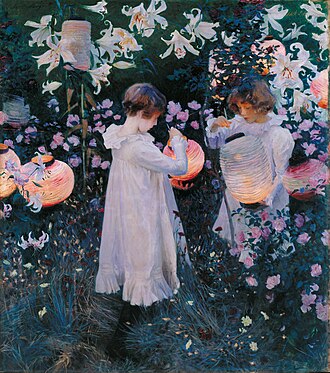 Carnation, Lily, Lily, Rose - John Singer Sargent (1885-1886)
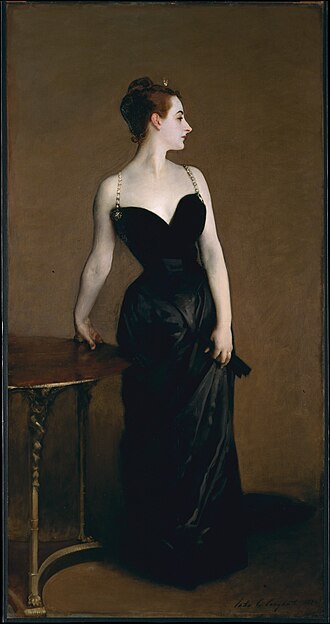 Madame X - John Singer Sargent (1884)
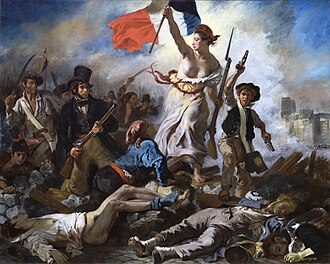 Liberty Leading the People - Eugène Delacroix (1830)
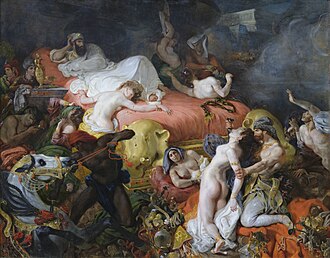 Death of Sardanapalus - Eugène Delacroix (1827)
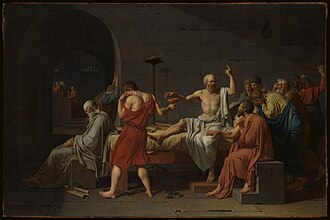 The Death of Socrates - Jacques-Louis David (1787)
 The Oath of the Horatii - Jacques-Louis David (1784)
 The Fighting Temeraire - J. M. W. Turner (1839)
 Rain, Steam and Speed - The Great Western Railway - J. M. W. Turner (1844)