Rembrandt Laughing
Rembrandt van Rijn · 1628
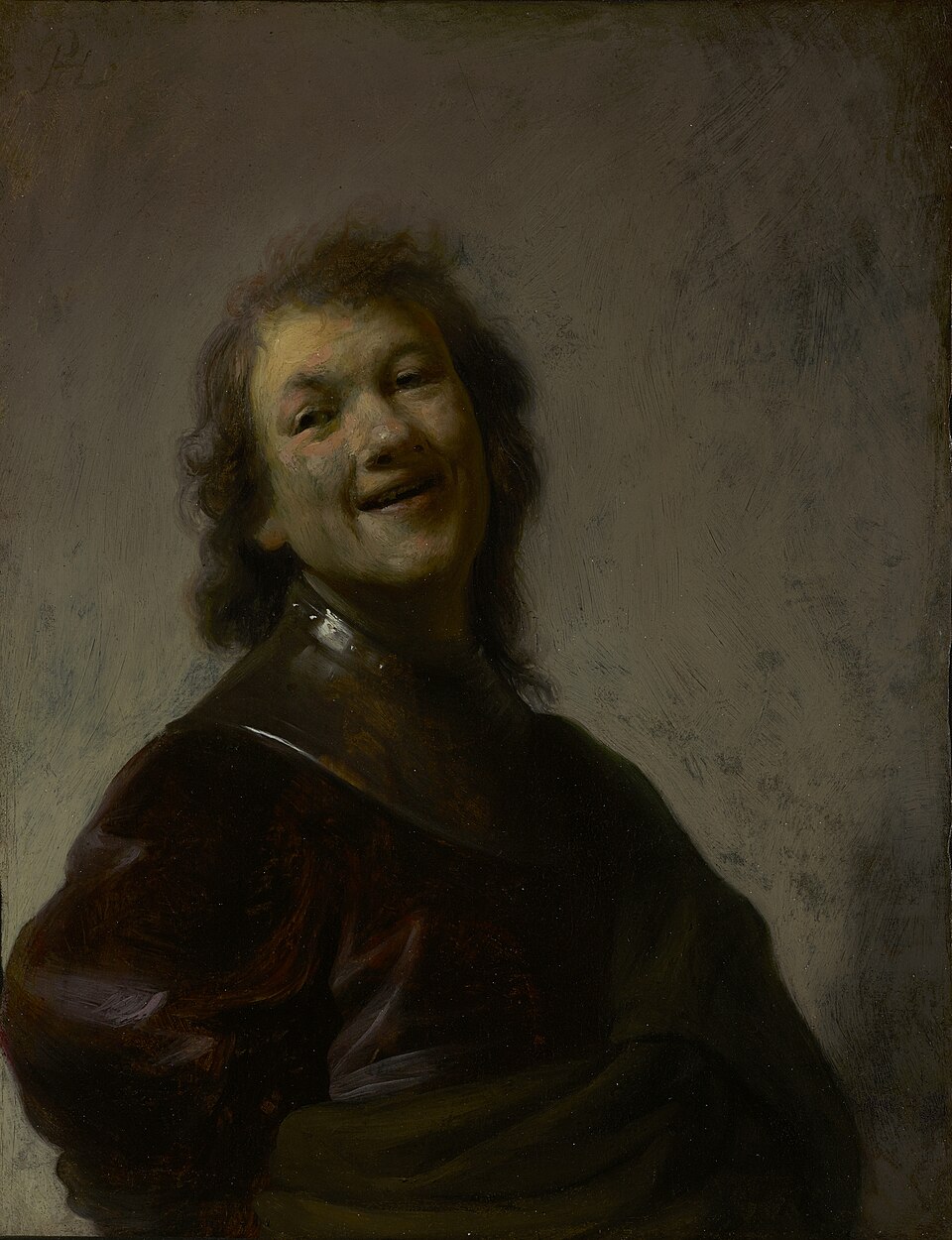
A young man throws his head back and laughs straight at us. The tiny copper panel was sold in an English country auction as the work of a follower, until experts proved the laughing face was Rembrandt's own.
The story behind the painting
Around 1628, in his studio in Leiden, the young Rembrandt painted this small study of a laughing face on copper, only about 22 by 17 cm. It is a tronie, a study of expression rather than a formal portrait, and because the face is the painter's own it counts among his more than 40 self-portraits, probably the earliest elaborate one. What happened to it right after it left Leiden is not known. It was known later through a print by the Flemish engraver Lambertus Antonius Claessens, who reproduced it as a work by Frans Hals.
What to look for
The man is bareheaded, head tilted back, in a deep purple robe under a rougher brown woolen cape. At his throat is a polished metal gorget, a piece of armour, so the young Rembrandt appears as a laughing soldier. His long, fluffy hair is light and dark blond, as in other portraits of the period, and he looks directly at the viewer. The brushwork is sure and bold, sometimes precise, sometimes broad and loose, catching the passing instant of a laugh. In a corner sits the RHL monogram, written into the paint while it was still wet.
Meaning and intent
A French owner in the 18th or 19th century wrote on the back an inscription about Democritus, the laughing philosopher. The painting probably does not show Rembrandt as Democritus, since Dutch painters of the time regularly gave that philosopher a globe. Instead it is a study of a fleeting emotion, the kind of effect Rembrandt also explored in his etchings of the same years. Scanning revealed that the laughing figure was painted on top of an earlier, probably unfinished picture close to his history paintings of the time, such as David with the Head of Goliath before Saul in Basel.
Legacy
After that French owner the painting vanished, though Kurt Bauch mentioned it in 1933 thanks to the print. In 2007 it surfaced at an auction in Gloucestershire as the work of a follower of Rembrandt, after experts at the Rijksmuseum had given a dismissive reply to emailed photos. Ernst van de Wetering of the Rembrandt Research Project then argued it was genuine, citing the RHL monogram used around 1628, a copper plate of the size Rembrandt used for his etchings, the underlying painting, and a possible copy by a pupil. In 2013 it went to the J. Paul Getty Museum.
Lo sapevi?
- Painted on copper around 1628 in Leiden.
- Probably Rembrandt's earliest elaborate self-portrait.
- Resurfaced in 2007 at a Gloucestershire auction as a follower's work.
- Now in the J. Paul Getty Museum.
L'artista
Rembrandt van Rijn (1606-1669)
Altre opere di Rembrandt van Rijn
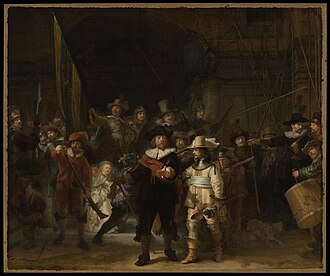 The Night Watch - Rembrandt van Rijn (1642)
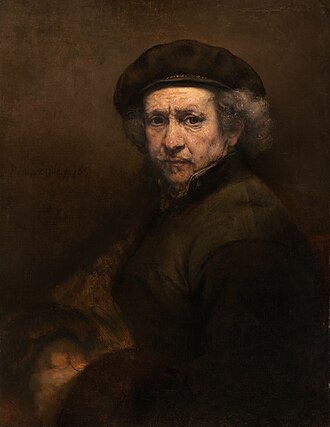 Self-Portrait - Rembrandt van Rijn (1659)
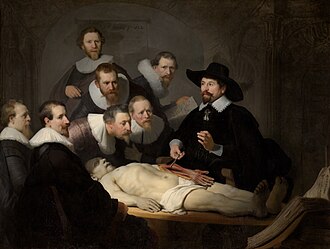 La lezione di anatomia del dottor Nicolaes Tulp - Rembrandt van Rijn (1632)
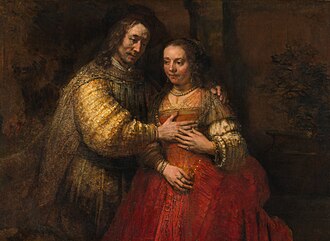 La sposa ebrea - Rembrandt van Rijn (1660s)
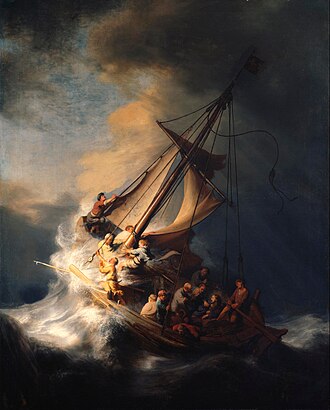 The Storm on the Sea of Galilee - Rembrandt van Rijn (1633)
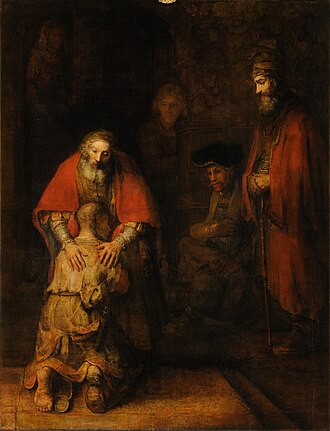 Il ritorno del figliol prodigo - Rembrandt van Rijn (1668)
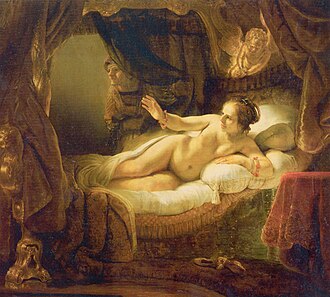 Danae - Rembrandt van Rijn (1636)
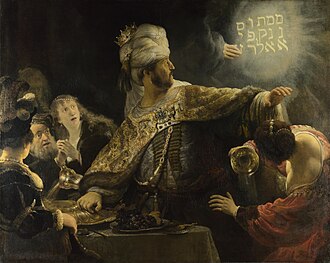 Banchetto di Baldassarre - Rembrandt van Rijn (1636)
Dipinti di artisti collegati
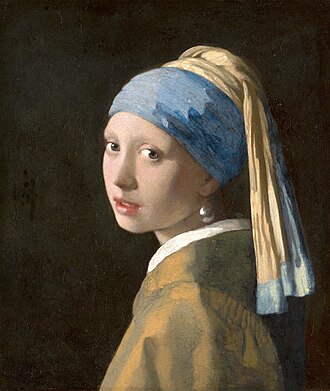 Girl with a Pearl Earring - Johannes Vermeer (1665)
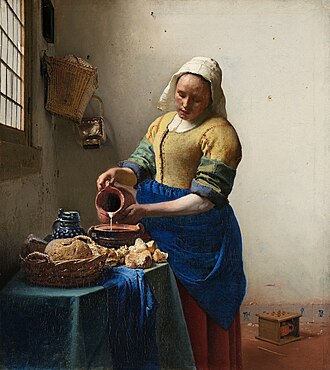 The Milkmaid - Johannes Vermeer (c. 1658)
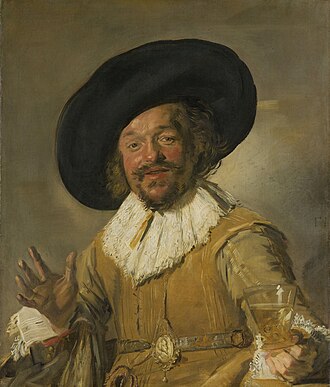 A Militiaman Holding a Berkemeyer, Known as the ‘Merry Drinker’ - Frans Hals (1620s)
 Laughing Cavalier - Frans Hals (1624)