The Storm on the Sea of Galilee
Rembrandt van Rijn · 1633
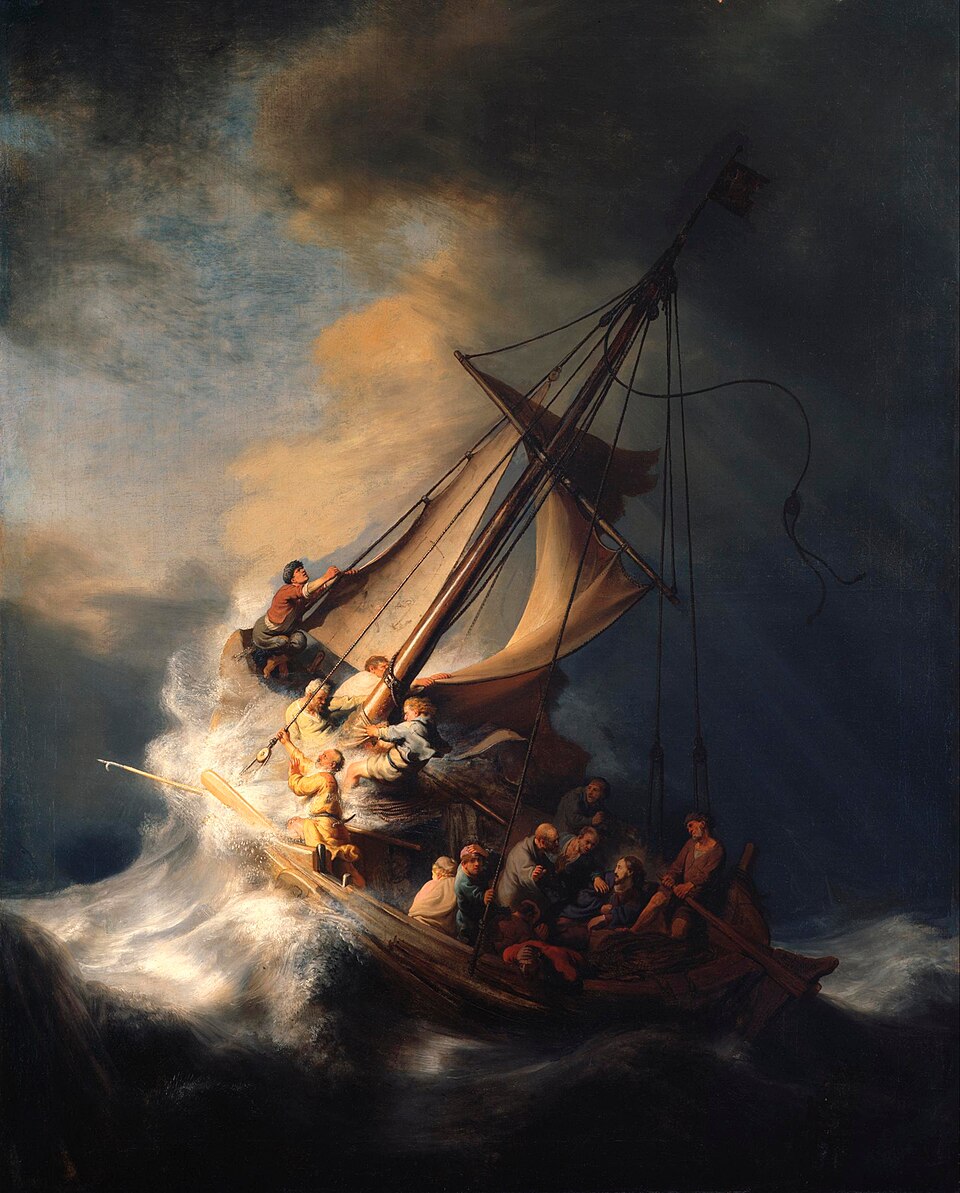
A masterpiece of Dutch Golden Age painting, Christ in the Storm on the Sea of Galilee, has captivated art lovers for centuries with its dramatic portrayal of a biblical miracle.
The story behind the painting
Painted in 1633, Christ in the Storm on the Sea of Galilee is a seminal work by Rembrandt van Rijn, created during his transition from Leiden to Amsterdam. At age 27, Rembrandt was establishing his reputation as a history painter, and this large-scale work showcases his mastery of dramatic storytelling. The painting depicts the biblical miracle in which Jesus calms the storm on the Sea of Galilee, as told in Luke 8:22-25. Rembrandt's only known seascape, it reflects his early fascination with biblical narratives and his ability to convey intense emotions through his characters.
What to look for
In this vertical-format painting, Rembrandt presents a close-up of Christ's disciples battling a ferocious storm to regain control of their fishing boat. A towering wave crashes against the bow, shredding the sail, while one disciple vomits over the side, overcome by the tempest. Rembrandt's self-portrait is visible among the disciples, gazing directly at the viewer. Christ remains serene on the right, his calm presence a focal point amid the chaos. The use of tenebrism, with stark contrasts between light and shadow, heightens the miraculous nature of Christ's intervention. Light streams from the upper left, piercing the stormy gloom and illuminating a patch of blue sky.
Meaning and intent
Rembrandt's depiction of the storm on the Sea of Galilee aligns closely with the biblical account, emphasizing the emotional intensity and dynamic composition. The painting symbolizes the power of faith and the divine intervention in human affairs. Christ's calm presence in the midst of turmoil serves as a focal point, drawing the viewer's attention to the miracle. The artist's use of light and shadow underscores the dramatic nature of the scene, creating a sense of urgency and tension.
Legacy
Christ in the Storm on the Sea of Galilee was purchased by Isabella Stewart Gardner in 1898 and displayed at her museum in Boston until its theft in 1990. The painting remains one of the most significant works stolen in the history of art, with its whereabouts still unknown. Despite its absence, the painting continues to inspire artists, filmmakers, and writers, appearing in numerous works of popular culture. Its legacy as a masterpiece of Dutch Golden Age painting endures, captivating audiences with its powerful and emotive portrayal of a biblical miracle.
Lo sapevi?
- The painting measures approximately 160 x 128 cm.
- It is Rembrandt's only known seascape.
- The painting was stolen from the Isabella Stewart Gardner Museum in 1990 and remains missing.
- A $10 million reward is offered for information leading to the recovery of the stolen works.
Wikipedia · Wikipedia - Rembrandt van Rijn · Wikidata
L'artista
Rembrandt van Rijn (1606-1669)
religious art · Dutch Golden Age painting · marine art · Isabella Stewart Gardner Museum · sea
Altre opere di Rembrandt van Rijn
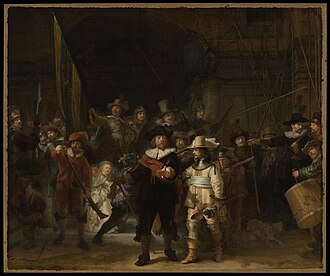 The Night Watch - Rembrandt van Rijn (1642)
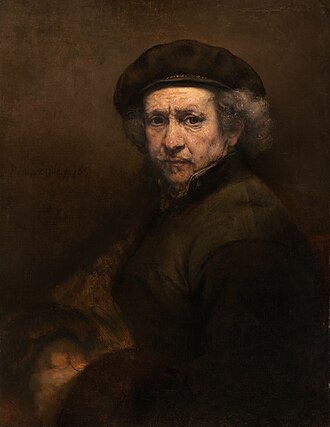 Self-Portrait - Rembrandt van Rijn (1659)
 La lezione di anatomia del dottor Nicolaes Tulp - Rembrandt van Rijn (1632)
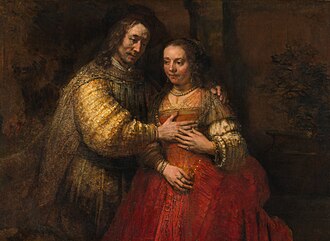 La sposa ebrea - Rembrandt van Rijn (1660s)
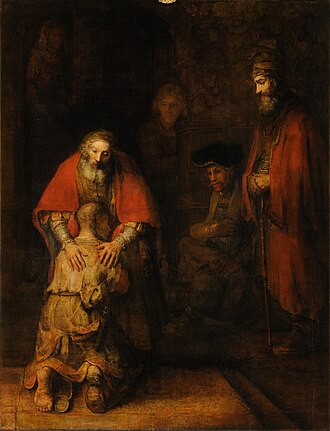 Il ritorno del figliol prodigo - Rembrandt van Rijn (1668)
 Danae - Rembrandt van Rijn (1636)
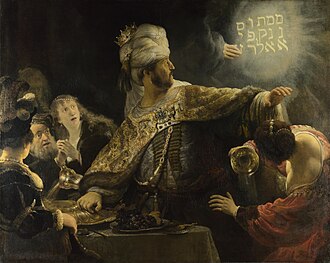 Banchetto di Baldassarre - Rembrandt van Rijn (1636)
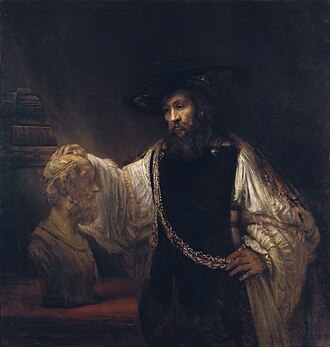 Aristotele con il busto di Omero - Rembrandt van Rijn (1653)
Dipinti di artisti collegati
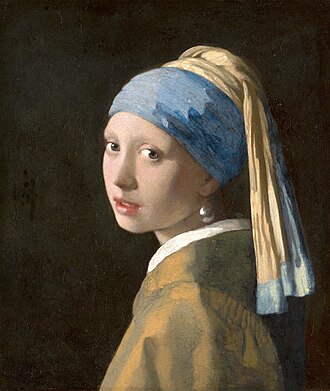 Girl with a Pearl Earring - Johannes Vermeer (1665)
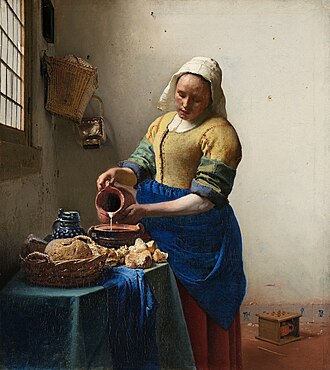 The Milkmaid - Johannes Vermeer (c. 1658)
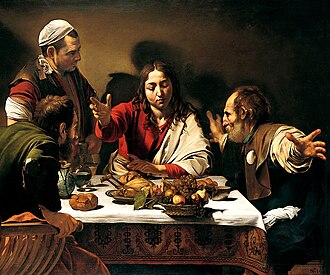 Supper at Emmaus - Caravaggio (1601)
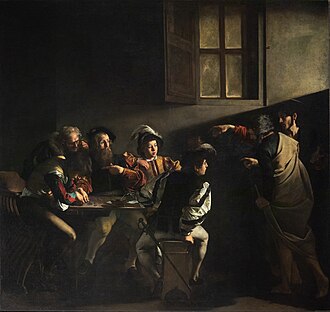 La vocazione di San Matteo - Caravaggio (1609)
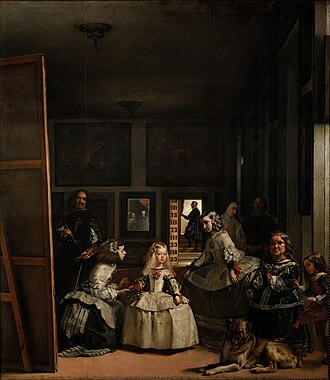 Las Meninas - Diego Velázquez (1656)
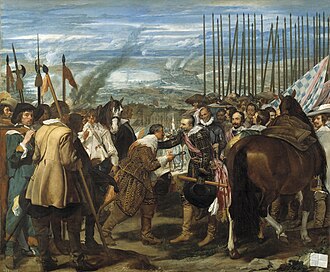 The Surrender of Brea - Diego Velázquez (1635)