Erasistratus Discovering the Cause of Antiochus' Disease
Jacques-Louis David · 1774
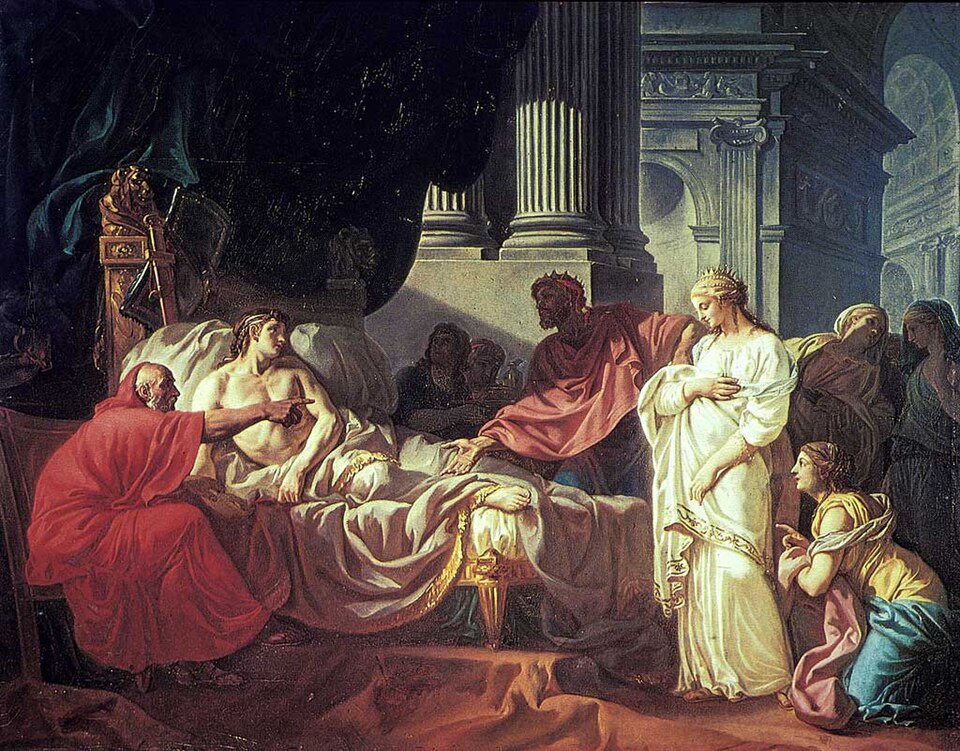
A prince lies wasting in bed, a doctor holds his wrist, and when one woman enters, his pulse races. The young David told this ancient love story and won the Prix de Rome with it.
The story behind the painting
Jacques-Louis David painted this history picture in 1774 for the Prix de Rome competition of the Académie royale de peinture et de sculpture, and it won the prize. The subject comes from Plutarch's Lives: the Greek court physician Erasistratus discovers that the illness of Antiochus, son of King Seleucus I, is lovesickness for his stepmother Stratonice. The French title spells it out: the cause of the illness lies in his love for Stratonice. The canvas is about 120 by 155 cm.
What to look for
Antiochus lies in bed, weak and languid. His father, King Seleucus, stands at the foot of the bed in shadow. Beside the prince sits Erasistratus, his left hand on Antiochus's wrist taking his pulse. He has asked the women of the palace to come before the prince one by one. When Stratonice appears, the pulse quickens, and the doctor raises his right hand, index finger pointing to the cause of the illness.
Meaning and intent
The drama is told through a single gesture: a finger that names a secret love no one dared say aloud. A father's worry in the shadows, a son's hidden passion and a doctor's quiet insight meet in one moment. In Plutarch's story, Erasistratus persuades the king to give Stratonice to his son, and the prince recovers. For a young painter, the subject was a test of telling a story without words.
Legacy
After the competition David took the painting back and entrusted it to Michel-Jean Sedaine. It passed in the Sedaine family to the Comte de Brissay, Sedaine's son-in-law. In 1860 the Imperial Household acquired it and placed it at the École nationale des beaux-arts in Paris, where it remains. It was restored in 1860 and 1981. It remains an early milestone of the neoclassical painter. Visitors can still see the work with which David won his way to Rome.
Lo sapevi?
- Won the 1774 Prix de Rome.
- Story from Plutarch's Lives.
- The doctor reads Antiochus's love in his quickening pulse.
- Kept at the Beaux-Arts de Paris since 1860.
L'artista
Jacques-Louis David (1748-1825)
history painting · Neoclassicism · Beaux-Arts de Paris · physician
Altre opere di Jacques-Louis David
 The Death of Socrates - Jacques-Louis David (1787)
 The Oath of the Horatii - Jacques-Louis David (1784)
 The Death of Marat - Jacques-Louis David (1793)
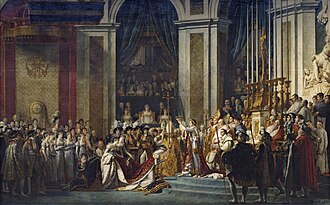 The Coronation of Gabo Napoleon - Jacques-Louis David (1807)
.jpg) The Intervention of the Sabine Women - Jacques-Louis David (1799)
The Intervention of the Sabine Women - Jacques-Louis David (1799)%20-%20National%20Gallery%20of%20Art%20(Samuel%20H.%20Kress%20Foundation).jpg) The Emperor Napoleon in His Study at the Tuileries - Jacques-Louis David (1812)
The Emperor Napoleon in His Study at the Tuileries - Jacques-Louis David (1812)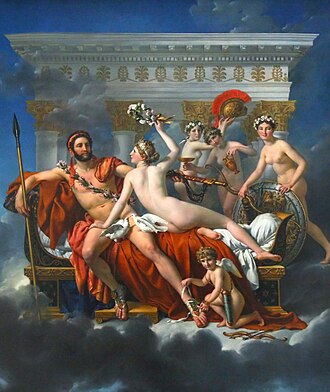 Mars Being Disarmed by Venus - Jacques-Louis David (1824)
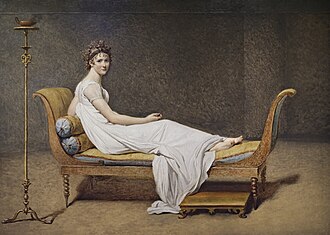 Portrait of Madame Récamier - Jacques-Louis David (1800)
Dipinti di artisti collegati
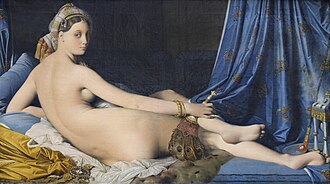 Grande Odalisque - Jean-Auguste-Dominique Ingres (1814)
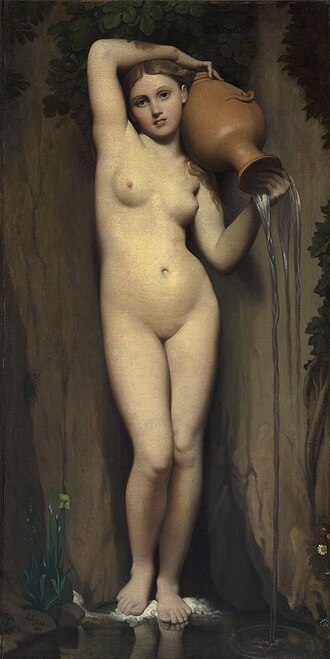 The Source - Jean-Auguste-Dominique Ingres (1856)
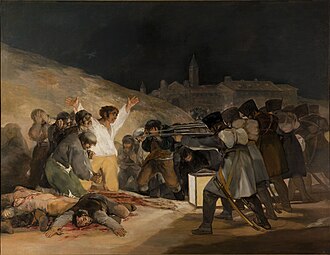 The Third of May 1808 - Francisco Goya (1814)
.jpg) La maja nuda - Francisco Goya (1800)
La maja nuda - Francisco Goya (1800)