The Third of May 1808
Francisco Goya · 1814
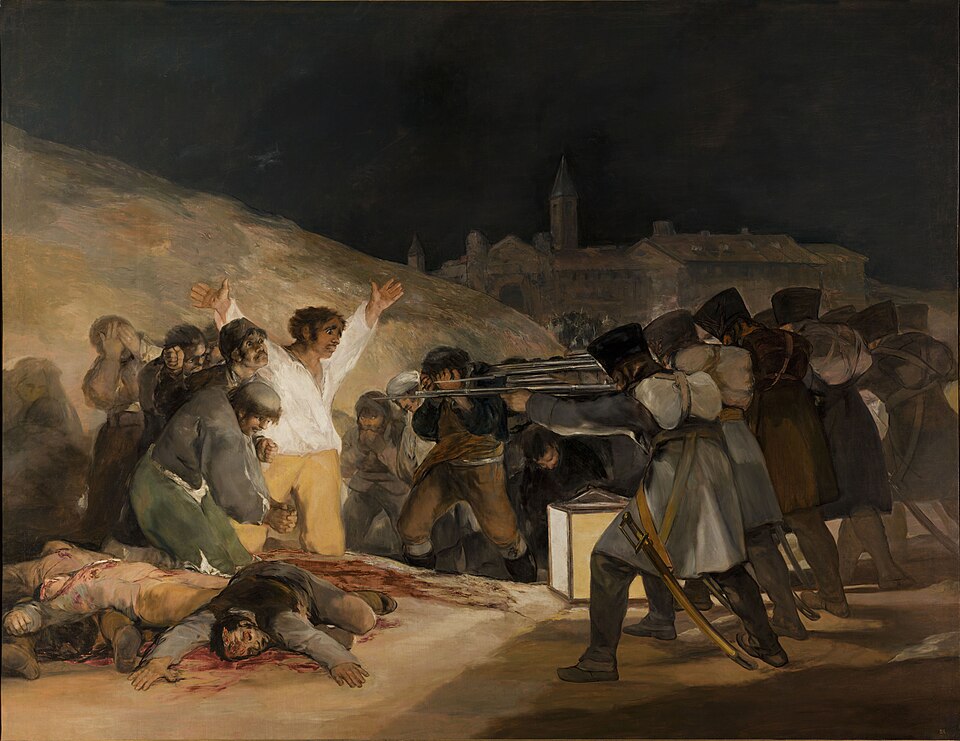
Witness the raw emotion and dramatic intensity of one of the most influential paintings in history, a masterpiece that has inspired countless artists and continues to move audiences today.
The story behind the painting
Francisco Goya's The Third of May 1808 was painted in 1814, a tumultuous time in Spanish history. The painting commemorates the brutal suppression of the Dos de Mayo Uprising against Napoleon's occupation of Madrid. Goya, who had witnessed the occupation and its atrocities, was approached by the provisional government to 'perpetuate by means of his brush the most notable and heroic actions of our glorious insurrection against the Tyrant of Europe.' The painting, along with its companion piece The Second of May 1808, was intended to honor the Spanish resistance and patriotism.
What to look for
In this powerful painting, Goya masterfully contrasts the rigid, uniform firing squad with the disorganized, terrified group of civilians. A square lantern casts a dramatic light on the scene, illuminating the huddled victims and the monk or friar in prayer. The faces of the executioners are largely obscured, while the fear and desperation of the condemned are palpable. A townscape looms in the distance, adding depth to the nocturnal scene.
Meaning and intent
Goya's The Third of May 1808 is a powerful anti-war statement and a tribute to the bravery of the Spanish people. By depicting the execution of innocent civilians, Goya highlighted the horrors of war and the brutality of the French occupation. The painting has been interpreted as a symbol of resistance and patriotism, and its influence can be seen in countless works of art throughout history.
Legacy
The Third of May 1808 has had a profound impact on the art world. It inspired Gerald Holtom's peace sign and influenced major paintings such as Édouard Manet's, Pablo Picasso's Massacre in Korea, and Guernica. The painting currently resides in the Museo del Prado in Madrid, where it continues to be a powerful reminder of the human cost of war and the importance of standing against oppression.
Lo sapevi?
- The Third of May 1808 is considered one of the first paintings of the modern era.
- Goya was appointed Director of the Royal Academy in 1795.
- The painting was commissioned by the provisional government of Spain.
- The Third of May 1808 inspired a series of paintings by Édouard Manet.
Wikipedia · Wikipedia - Francisco Goya · Wikidata
L'artista
Francisco Goya (1746-1828)
Museo del Prado · history painting
Altre opere di Francisco Goya
.jpg) La maja nuda - Francisco Goya (1800)
La maja nuda - Francisco Goya (1800).jpg) Saturn Devouring His Son - Francisco Goya (1819)
Saturn Devouring His Son - Francisco Goya (1819)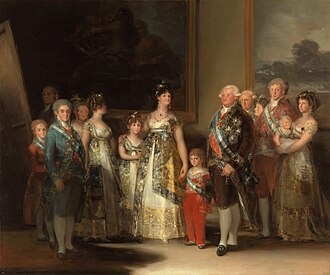 La famiglia di Carlo IV - Francisco Goya (1800)
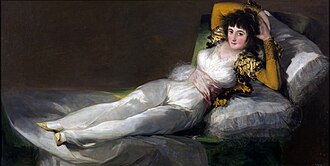 The Clothed Maja - Francisco Goya (1800)
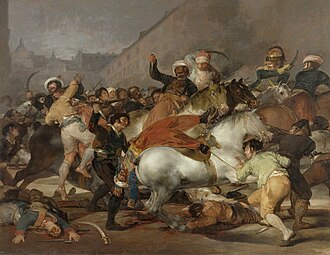 Il 2 maggio 1808 a Madrid - Francisco Goya (1814)
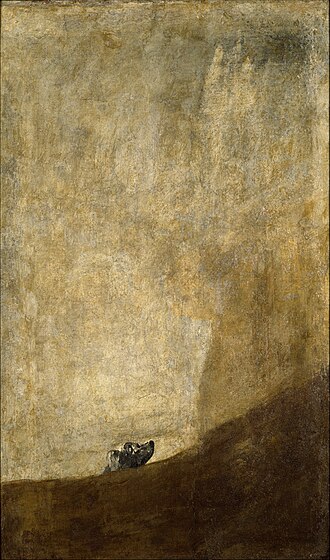 Cane semiaffondato - Francisco Goya (1819)
 Il sabba delle streghe - Francisco Goya (1820s)
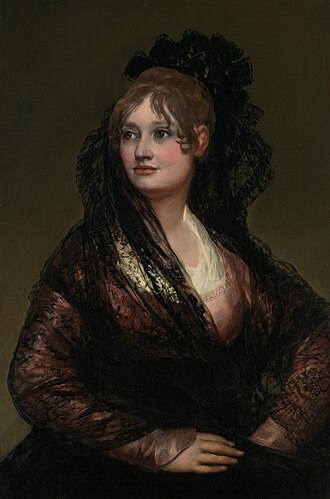 Portrait of Doña Isabel de Porcel - Francisco Goya (1800s)