Portrait de groupe des régentes de l'hospice des vieillards
Frans Hals · 1664
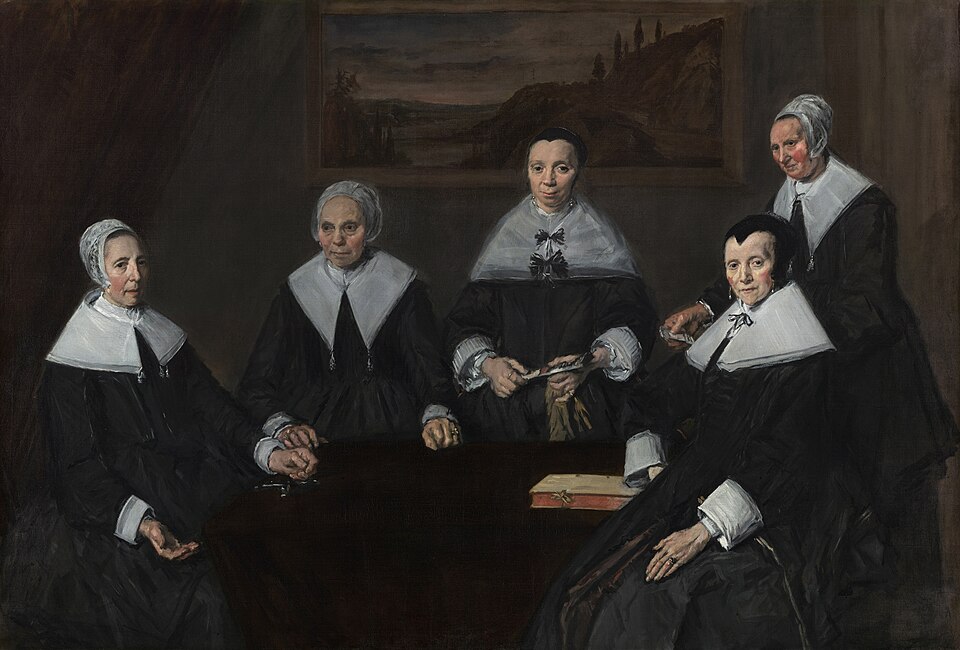
Four women who governed a Haarlem almshouse sit in black, their faces lined, their hands quiet. Frans Hals painted them late in life with rough, loose strokes, and the picture still hangs in the building it was made for.
The story behind the painting
This regents group portrait shows four regentesses and, at the far right, the manager of the house, painted by Frans Hals around 1664 for the Oude Mannenhuis, the old men's almshouse in Haarlem. It is the pendant to his Regents of the Old Men's Almshouse. The sitters, from left to right, were Adriaentje Schouten, Marijtje Willemsdr, also recorded as a regentess of Het Dolhuys, Anna van Damme, and Adriana Bredenhof, wife of the schout Mattheus Everswijn. The date of 1664 is traditional; no archival evidence has yet been found to confirm it.
What to look for
Hals painted the women in his loose style, with rough brush strokes and none of the meticulous finishing usual in his portraits of women. That is why experts believe he made it near the end of his life, when he painted more freely than in his youth. The style of the dresses also places it well after the millstone collars of the 1640s. On the back wall hangs a landscape that has not been identified. According to Pieter Biesboer it might be an allegory of the Good Samaritan, though no figures can be seen in it.
Meaning and intent
A group portrait of regents recorded the people who ran a charitable institution, and this one was made for the very house they governed. The possible Good Samaritan behind them would fit that purpose, a reminder of care for those in need, but the source leaves it as a possibility only. What is certain is the treatment: an old painter facing old women with a brush that refuses to polish, leaving the strokes visible, a way of painting that later generations would come to admire deeply.
Legacy
The painting still hangs where it was made to hang, in the old men's almshouse in Haarlem, known today as the Frans Hals Museum. In the 19th century, when Hals's loose brushwork became popular with the impressionists, several copies were made. Max Liebermann copied one of the heads. James McNeill Whistler came to study the Hals paintings in 1882, 1885 and 1902, and a witness to his last visit said he was completely charmed by the old women. A copy by Manet was discovered in 2018 and shown at the museum's exhibition Frans Hals and the Moderns, offering clues to the painting's state in Manet's time.
Le saviez-vous ?
- Painted around 1664 for the old men's almshouse in Haarlem.
- Pendant to the Regents of the Old Men's Almshouse.
- Still in the same building, now the Frans Hals Museum.
- A copy by Manet was discovered in 2018.
À propos de l'artiste
Frans Hals (1591-1666)
âge d'or de la peinture néerlandaise · portrait de groupe
Autres œuvres de Frans Hals
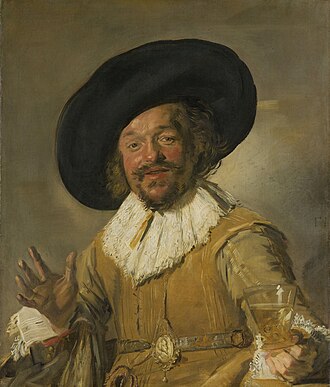 Le Joyeux Buveur - Frans Hals (1620s)
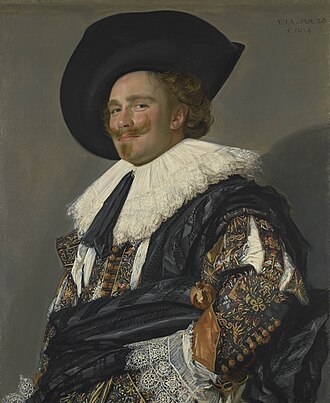 Le Cavalier riant - Frans Hals (1624)
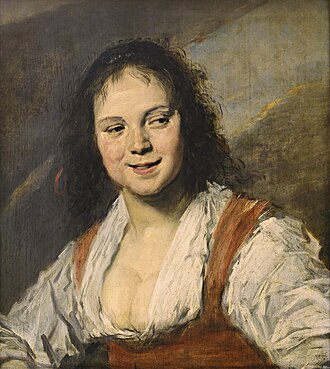 La Bohémienne - Frans Hals (1628)
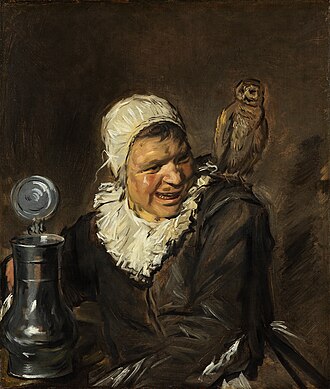 Malle Babbe - Frans Hals (1640s)
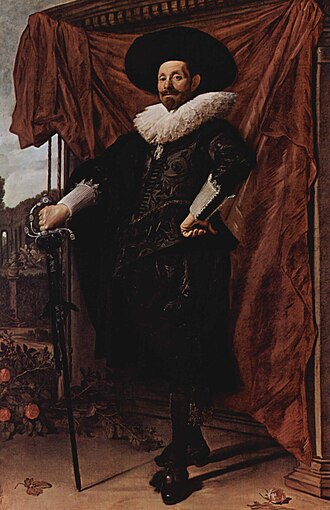 Portrait de Willem van Heythuysen - Frans Hals (1625)
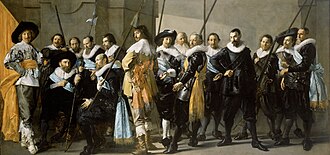 La Compagnie du capitaine Reinier Reael, dite ‘La Maigre Compagnie’ - Frans Hals (1630s)
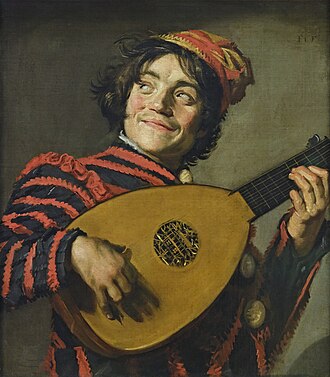 Le Bouffon au luth - Frans Hals (1623)
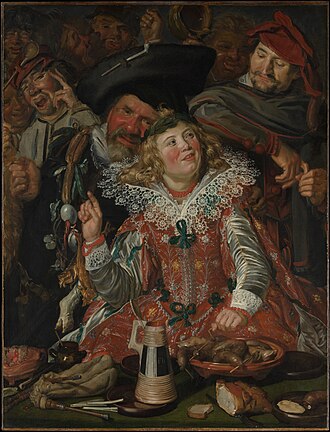 Fêtards du Mardi Gras - Frans Hals (1610s)
Œuvres d'artistes liés
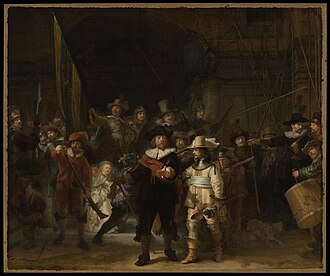 La Ronde de nuit - Rembrandt van Rijn (1642)
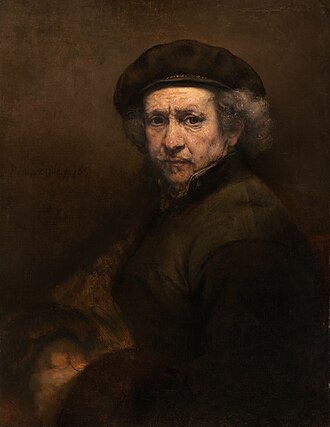 Autoportrait - Rembrandt van Rijn (1659)
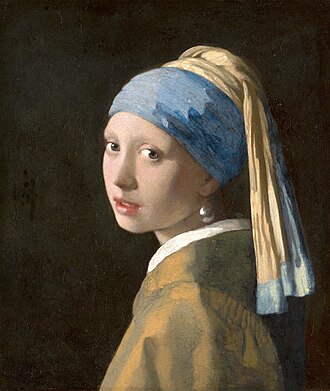 La Jeune Fille à la perle - Johannes Vermeer (1665)
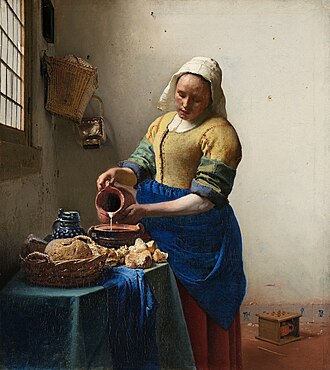 La Laitière - Johannes Vermeer (c. 1658)